







Why Green Tea Works for Ferns
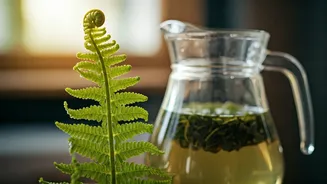
Green tea contains several compounds that are beneficial for plants that thrive in slightly acidic soil, like most common fern varieties. [1, 6] The leaves contain nitrogen, a key nutrient for lush, leafy growth, along with smaller amounts of phosphorus
and potassium. [6] As the organic matter in tea breaks down, it also releases tannins. These tannins can gently lower the soil's pH, which helps acid-loving plants like ferns more easily absorb essential micronutrients like iron from the soil, leading to deeper green fronds. [3, 10] Furthermore, adding this organic material improves the soil's structure, helps it retain moisture, and feeds the beneficial microorganisms that create a healthy root environment. [1, 2]
The Right Way to Prepare the Tea
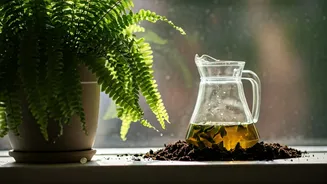
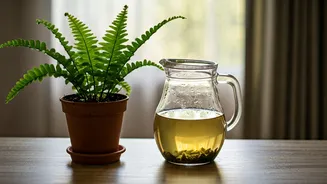
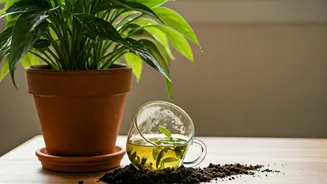
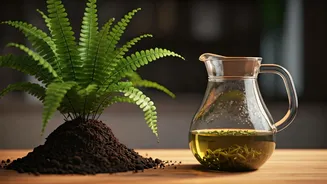
The key to using green tea for your ferns is to keep it simple and clean. Always use plain, unsweetened, and unflavoured green tea. [3] Any sugar or milk added to the tea can attract pests and encourage harmful mould or fungal growth in the soil. [1] Whether you are using the last few sips from your cup or brewing a batch specifically for your plants, the preparation is the same: allow the liquid to cool completely to room temperature before using it. [1, 11] Pouring hot or even warm liquid onto a plant can shock its root system and cause significant damage. For a gentle application, it's a good idea to dilute the leftover tea. A common recommendation is a 1:1 ratio with water, especially if the tea is strong. [10]
How and When to Water Your Ferns
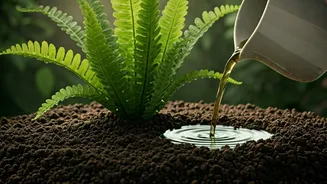
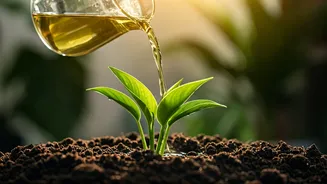
Think of green tea water as a supplement, not a replacement for regular watering or a balanced fertilizer. [4] A good rule of thumb is to use the cooled, diluted green tea to water your ferns about once every two to four weeks during the growing season (spring and summer). [3, 10] In autumn and winter, when the plant's growth slows, you can reduce this frequency to once a month. [3] Apply the tea directly to the soil, watering thoroughly until a small amount begins to drain from the bottom of the pot. This ensures the entire root system gets a gentle feeding. Avoid splashing the liquid on the fronds, as some ferns are sensitive to foliar dampness. [3] Always monitor your plant's response after any new treatment.
Using Leftover Tea Leaves
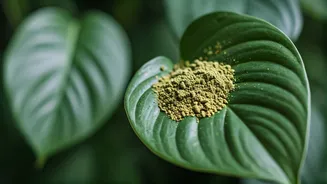
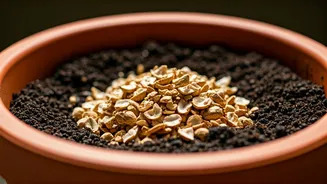
Beyond the brewed liquid, the used tea leaves themselves can also benefit your ferns. You can sprinkle cooled, damp leaves in a very thin layer on top of the soil to act as a light mulch, which will decompose and slowly release nutrients. [1, 2] However, be careful not to apply a thick layer, as this can create a dense mat that traps too much moisture and promotes mould. [1] An even better method is to add the used green tea leaves to your compost pile. They are an excellent source of nitrogen, which helps speed up the decomposition process, turning your kitchen scraps into rich, valuable compost for all your garden plants. [1] When using tea bags, ensure they are made of natural, compostable materials, as many contain plastics that won't break down. [7]
Plants to Avoid and Common Mistakes
While ferns and other acid-loving plants like azaleas, roses, and spider plants respond well to green tea, it's not a universal solution. [1] Avoid using it on plants that prefer alkaline soil, such as lavender or certain succulents. [1] The primary mistake to avoid is overuse. Applying green tea too frequently can lower the soil's pH too much, leading to a nutrient imbalance or even stunting the plant's growth. [5, 9] Remember to only use plain tea and always let it cool. As a gentle tonic, green tea is a fantastic part of a holistic plant care routine, but it cannot fix underlying issues like improper lighting, poor drainage, or significant pest infestations.