



The Global Bleaching Crisis
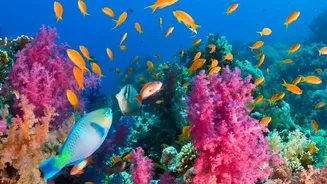
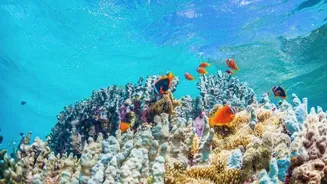
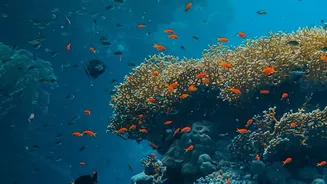
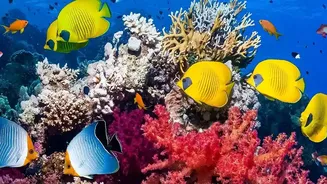
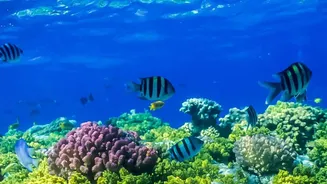
Coral reefs are not colourful rocks; they are sprawling colonies of tiny animals called polyps. These polyps live in a crucial partnership with microscopic algae that provide them with both food and their brilliant colours. However, when ocean temperatures
rise even by a degree or two for a prolonged period, this relationship breaks down. The stressed corals expel the algae, turning bone-white in a process known as bleaching. While a bleached coral is not yet dead, it is starving and highly vulnerable. According to the IPCC, we are projected to lose up to 90% of the world's corals even if global warming is limited to 1.5°C, threatening a quarter of all marine life.
Enter the 'Super Corals'
In the face of this crisis, scientists have identified a powerful ally: 'super corals'. This is not a formal scientific term, but a useful name for corals that have shown a natural ability to tolerate or recover from the heat stress that causes bleaching. These are the survivors, corals that have persisted through past marine heatwaves when their neighbours perished. Researchers have discovered that this resilience is often genetic, meaning it can be passed down. By identifying and carefully collecting small fragments from these hardy individuals, scientists can cultivate a new generation of corals with a built-in defence against warmer waters.
The Coral Nursery Process
This is where coral nurseries come in. Think of them as underwater farms or intensive care units for coral. Scientists take small fragments—sometimes called 'nubbins'—from the thermally resilient parent corals. These fragments are then moved to a controlled nursery environment. This might be a series of underwater frames, ropes, or even land-based tanks where conditions can be carefully managed. In this protected space, free from predators and other stressors, the fragments can grow much faster than they would in the wild. Some techniques, like micro-fragmentation, can accelerate growth rates by up to 50 times.
From Nursery to Damaged Reef
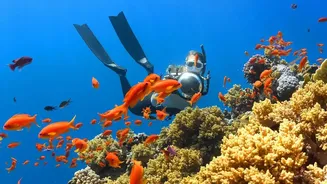
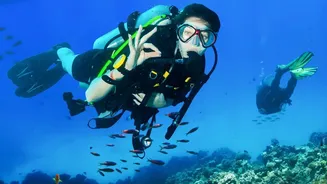
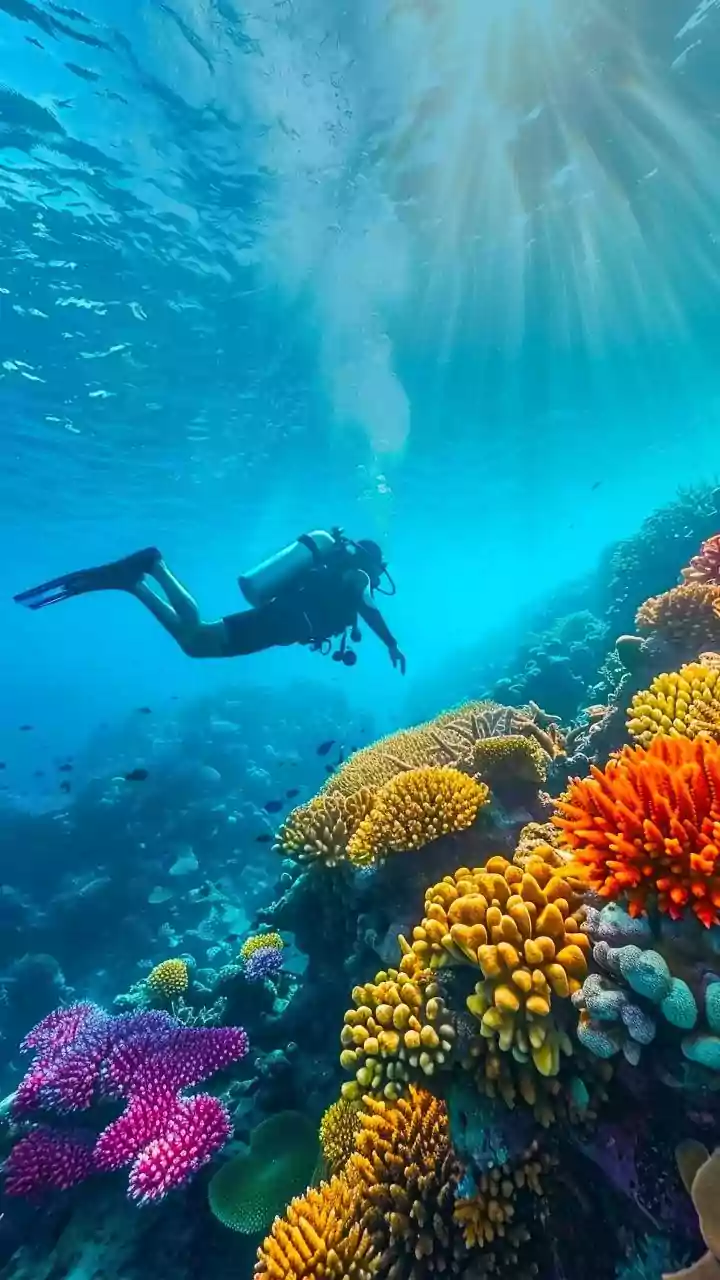
After several months to a year in the nursery, the cultivated corals are strong enough to be 'outplanted'. Divers carefully transport the grown colonies and attach them to degraded sections of the reef using marine-safe epoxy or cement. The goal is to repopulate the barren seascape with corals that have a better chance of surviving future heatwaves. This process, often called 'coral gardening', doesn't just restore coral cover; it aims to re-establish a functioning, genetically diverse ecosystem capable of sexual reproduction and self-sustainment over time. Projects around the world, from the Great Barrier Reef to Mauritius, are showing promising survival rates with these methods.
Relevance for India’s Coastline
This work is critically important for India, which has a 7,500-kilometre coastline and significant reef systems in the Andaman and Nicobar Islands, Lakshadweep, the Gulf of Mannar, and the Gulf of Kutch. These reefs act as natural barriers protecting coasts from storm surges, a role highlighted during the 2004 tsunami. They also support the livelihoods of millions through fishing and tourism, contributing an estimated ₹15,000 crore to the economy from fisheries alone. Thankfully, India has active coral restoration projects. Large-scale efforts in the Gulf of Mannar have been underway since 2002, transplanting over 51,000 coral fragments. Other projects in Gujarat, Lakshadweep, and the Andamans are also working to restore these vital ecosystems, sometimes using innovative techniques like mineral accretion technology, which uses a low-voltage current to speed up growth.