


Forget the scorching heat. Winter in India offers a magical window for wildlife enthusiasts. The crisp air, pleasant sun, and unique animal behaviours make it the perfect time to explore the country's magnificent national parks.
Ranthambore National Park, Rajasthan
Known for its majestic
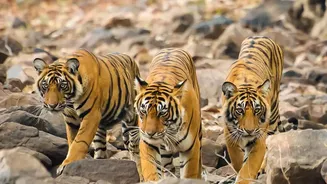
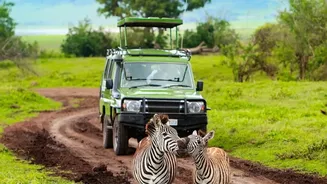
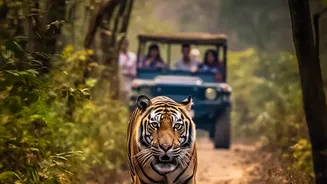
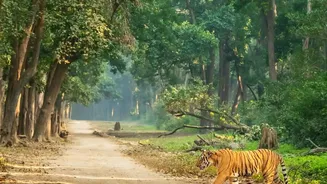
Bengal tigers and the ancient fort that overlooks the landscape, Ranthambore is a classic choice for a winter safari. The cooler months, from October to February, offer pleasant weather for exploring the park in an open-top gypsy. While summer is famous for sightings near waterholes, winter has its own advantage: tigers are often seen basking in the morning sun to warm up, providing excellent photographic opportunities. The visibility in the forest is a good balance between the dense post-monsoon foliage and the sparse summer dryness. Besides tigers, you can spot leopards, sloth bears, and various species of deer. The morning safaris can be genuinely cold, so layering your clothing is essential for a comfortable experience.
Kaziranga National Park, Assam
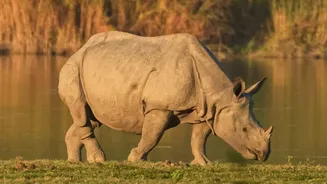
For Kaziranga, winter isn't just a good time to visit—it's the only time. The park remains closed for much of the year due to the monsoon floods of the Brahmaputra River, reopening from November to April. This UNESCO World Heritage Site is world-famous for being the primary stronghold of the one-horned rhinoceros. In winter, the tall elephant grass begins to dry and thin out, dramatically improving visibility across the vast plains. As water levels recede, rhinos, Asiatic wild buffalo, elephants, and swamp deer congregate around the remaining wetlands, making sightings more predictable and frequent. Winter also turns Kaziranga into a birdwatcher's paradise, as thousands of migratory birds arrive from Central Asia, filling the wetlands with vibrant activity.
Jim Corbett National Park, Uttarakhand
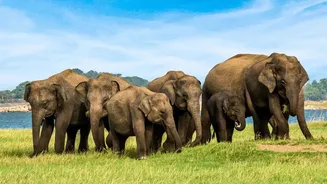
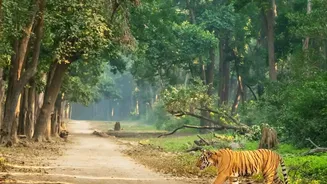
As India's oldest national park, Jim Corbett offers a quintessential winter wildlife experience. Nestled in the Himalayan foothills, the park's various zones, like Bijrani and Dhikala, become fully accessible after the monsoon. The weather from November to February is cool and pleasant, with daytime temperatures ideal for long safari drives. Early mornings are often misty, lending a mystical quality to the forest landscape. While spotting the elusive tiger is a key attraction, Corbett's winter charm also lies in its diverse fauna, including large elephant herds and over 650 species of resident and migratory birds. The clear visibility and comfortable climate make it perfect for nature walks and other activities beyond the jeep safari.
Tadoba Andhari Tiger Reserve, Maharashtra
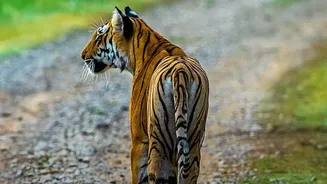
If tiger sightings are your top priority, Tadoba should be high on your list. Often called 'The Jewel of Vidarbha', this reserve in Maharashtra boasts one of the highest tiger densities in India. While summer offers near-guaranteed sightings at waterholes, the winter season (October to February) provides the most comfortable safari experience. The weather is pleasant, with mild afternoons and crisp mornings, making it ideal for families and photographers. The forest, lush and green after the monsoon, is home to not just tigers but also leopards, sloth bears, and dholes (wild dogs). Though the vegetation is denser than in summer, tiger activity remains high, offering a rewarding adventure for those willing to track them through the beautiful teak and bamboo forests.
Hemis National Park, Ladakh
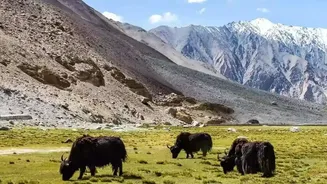
For the truly adventurous, a cold-weather safari gets no more authentic than this. Hemis National Park is the destination for spotting the 'Grey Ghost of the Mountains'—the elusive snow leopard. This is not a typical jeep safari; it's a high-altitude winter trek that requires patience, fitness, and a tolerance for freezing temperatures. The best time to go is in the deep of winter, from January to March, when heavy snow forces the snow leopards and their prey, like blue sheep and ibex, down into the more accessible valleys. Led by expert local trackers, you'll spend days scanning the stark, beautiful mountain ridges. While sightings are never guaranteed, the thrill of tracking one of the world's most mysterious big cats in its natural habitat is an unparalleled wildlife experience.