

The New Weave of Identity
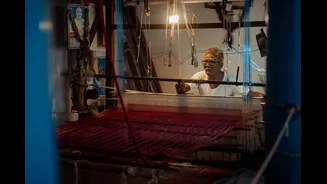
The resurgence of handloom in India is more than a fashion trend; it's a cultural reclamation. For a generation of consumers increasingly weary of fast fashion's environmental and social toll, handwoven textiles offer a compelling alternative rooted in authenticity
and sustainability. Each thread tells a story of heritage, skill, and place, transforming a garment into a statement of identity. This shift is driven by a desire for connection—to the artisans, to the craft, and to a slower, more mindful way of life. As global consumers seek out unique and ethically produced goods, Indian handloom, with its minimal energy consumption and use of natural fibres, is perfectly positioned as a responsible and stylish choice.
Beyond the Traditional Drape
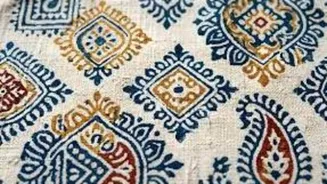
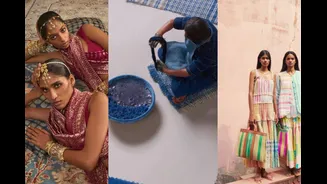
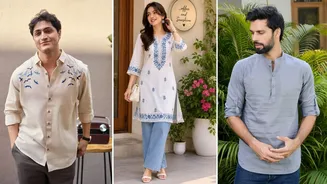
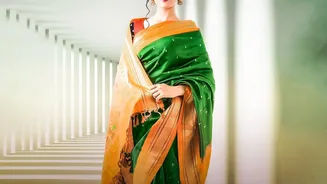
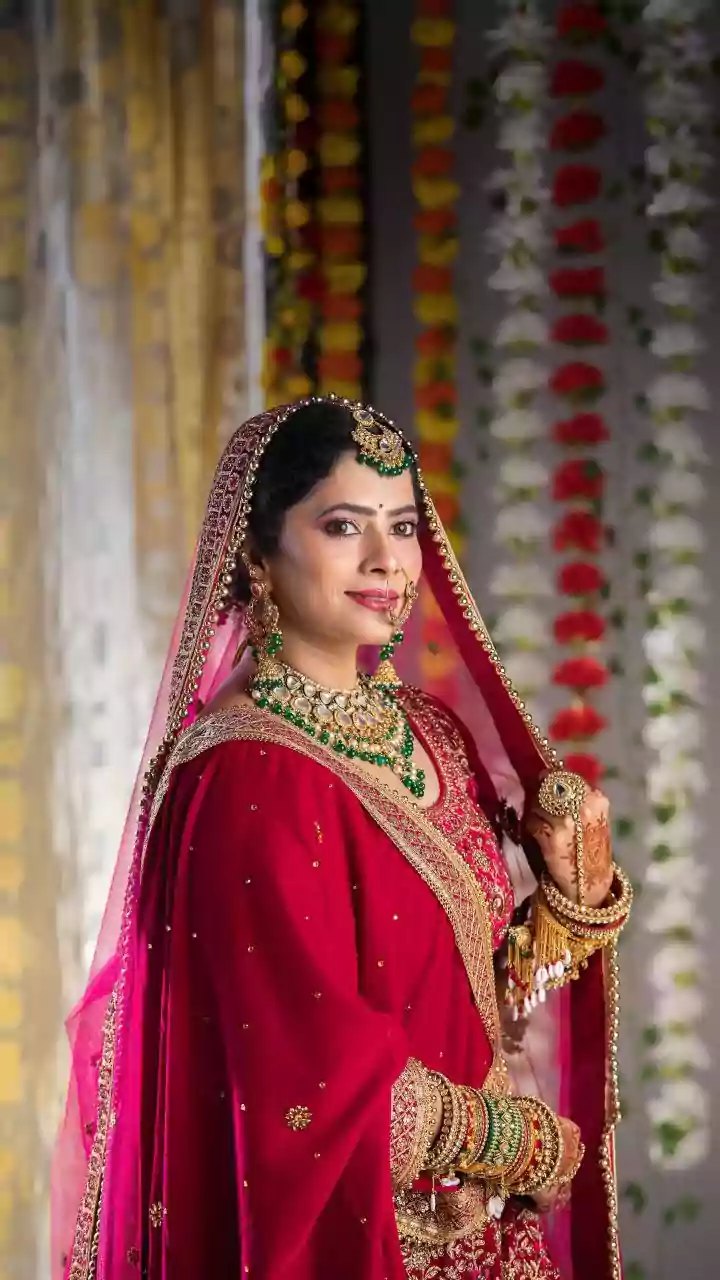
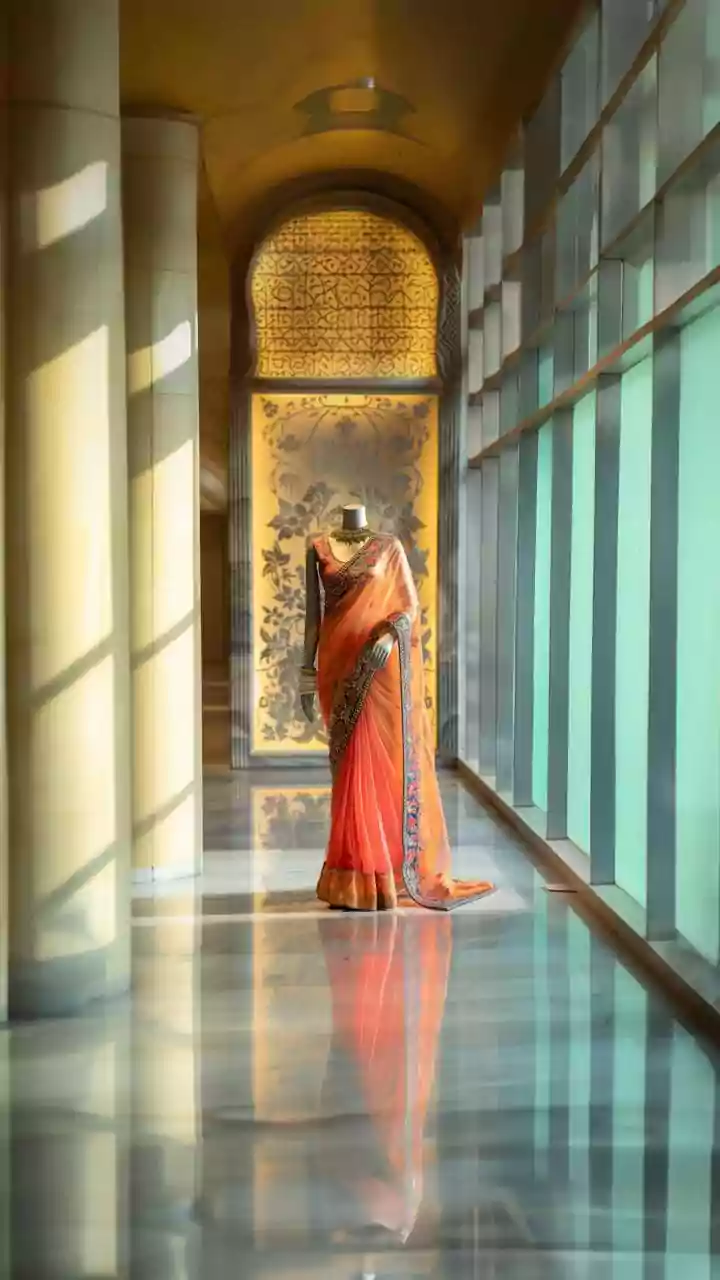
The key to handloom's current revival is its remarkable adaptability. Designers are moving beyond the saree and kurta, reimagining traditional fabrics like Khadi, Ikat, Jamdani, and Chanderi into contemporary silhouettes. We now see handwoven textiles crafted into tailored blazers, wide-leg trousers, chic co-ord sets, and breezy midi dresses. This fusion allows the fabric's heritage to shine through in its motifs and texture, while the modern cut provides versatility and everyday practicality. By demonstrating that a Kanjeevaram silk isn't just for weddings or that a block-printed fabric can become a pair of palazzo pants, designers are making these textiles relevant and accessible to a new, younger audience.
Designers as Cultural Bridges
Contemporary designers are playing a pivotal role as storytellers and strategists in this revival. Names like Sabyasachi Mukherjee, Gaurang Shah, and Raw Mango's Sanjay Garg have been instrumental in placing handloom on the global fashion map. They work directly with weaving clusters, creating market-ready adaptations that honour traditional techniques while meeting modern standards of fit and finish. This collaborative approach ensures that heritage skills are not just preserved but are seen as a source of innovation. By reinterpreting indigenous motifs and weaving structures, these designers are helping to create a new, global vocabulary for Indian textiles, making them as desirable as Italian silks or Japanese denim.
The Digital Thread
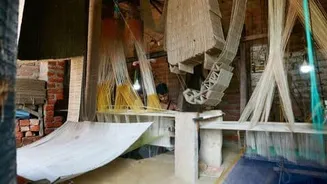
The rise of social media, particularly Instagram, has been a game-changer for the handloom sector. It has created a visual marketplace where artisans and direct-to-consumer brands can bypass traditional intermediaries and connect directly with customers worldwide. Through features like Reels and Stories, they can share the intricate, behind-the-scenes processes of weaving and dyeing, building a narrative of authenticity and craftsmanship that resonates deeply with buyers. This digital storytelling fosters transparency and trust, allowing consumers to feel emotionally connected to the people and the stories behind their clothes.
Challenges in the Warp and Weft
Despite this optimistic revival, significant challenges remain. The handloom sector continues to grapple with low wages, competition from cheaper power loom alternatives, and rising costs of raw materials like cotton and silk. The number of weavers has seen a decline over the decades, as younger generations are often hesitant to take up a profession that is labour-intensive yet financially precarious. While there is a growing demand for handloom, ensuring that the economic benefits trickle down to the individual weaver remains a critical issue, with middlemen often absorbing a large share of the profits. Sustaining this revival requires not just consumer interest, but also systemic support through fair wages, better credit access, and stronger policy enforcement.