







What Are Hyper-Palatable Foods?
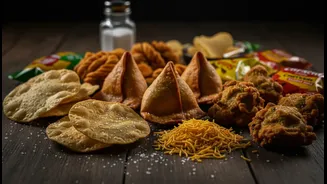
Hyper-palatable foods (HPFs) aren't just tasty; they are scientifically engineered to be irresistible. Researchers have identified specific formulas that make foods hyper-palatable, typically falling into three main clusters. The first combines fat and
sodium, like in chips or processed meats. The second is a blend of fat and sugar, found in cakes, biscuits, and ice cream. The third is a mix of carbohydrates and sodium, common in crackers, pretzels, and instant noodles. These combinations of fat, sugar, sodium, and refined carbohydrates are designed to hit a 'bliss point' that natural foods rarely achieve. They trigger the brain’s reward system so effectively that it becomes difficult to stop eating them, a phenomenon known as sensory-specific satiety, where the food remains pleasant bite after bite.
The Science of the Craving Cycle
When you eat a hyper-palatable food, your brain receives a powerful reward signal. This process involves a surge of dopamine, a neurotransmitter associated with pleasure and motivation, in the brain's reward centers. This intense feeling of pleasure reinforces the behaviour, making you want to seek out these foods again. The problem is that this system, which evolved to help us find energy-dense foods when they were scarce, can be hijacked by modern processed foods. These items provide a dopamine rush that can override your body's natural fullness signals. Hormones like leptin, which tell your brain you're full, are effectively silenced. Over time, this can lead to a state of reward hyposensitivity, where you need to eat more of the food to get the same pleasurable feeling, creating a cycle similar to addiction.
The Calorie Counting Conundrum
For fitness lovers diligently tracking their intake, hyper-palatable foods present several major hurdles. Firstly, their calorie density makes portion control extremely difficult. A small, seemingly innocent portion can contain a surprising number of calories, and since these foods are designed to be overeaten, estimating serving sizes becomes a losing battle. Secondly, the intense cravings they generate can lead to what’s known as the “what-the-hell effect.” After giving in to one craving, it’s easy to feel like the day’s efforts are ruined, leading to abandoning tracking altogether for the rest of the day. Finally, logging these foods accurately is a challenge. Restaurant meals and packaged snacks often contain hidden fats, sugars, and sodium not clearly listed, making precise calorie counting nearly impossible.
A Modern Fitness Dilemma
Young fitness enthusiasts in India are particularly susceptible to this trap. They navigate a world filled with social pressure, endless food vlogs, and an aggressive market of both traditional sweets and modern packaged snacks. Many products are even marketed as 'healthy' or 'low-fat' but still meet the criteria for being hyper-palatable. This creates confusion and frustration. The all-or-nothing mindset often seen in younger dieters can make any deviation feel like a total failure. Calorie tracking apps, while useful, can also foster obsessive tendencies, especially when the numbers don't seem to add up due to the unpredictable nature of HPFs. The constant mental battle against cravings triggered by these foods can be exhausting, making a sustainable fitness journey much harder.
Smarter Strategies for Success
Escaping the hyper-palatability trap isn't about complete avoidance, which can sometimes increase cravings. Instead, it’s about awareness and strategy. Prioritise whole, single-ingredient foods like fresh fruits, vegetables, lean proteins, and whole grains. These foods provide natural satiety signals that HPFs are designed to bypass. When you do consume processed foods, read the labels carefully and be mindful of high levels of sodium, sugar, and fat. Practice mindful eating: slow down, savour your food, and pay attention to your body's hunger and fullness cues. Rather than obsessing over perfect calorie counts every day, focus on the overall quality of your diet. Think of tracking as a tool for awareness, not a rigid rulebook. Building a healthier relationship with food is more sustainable than winning a daily battle against numbers.