





The Allure of the Shell Garden
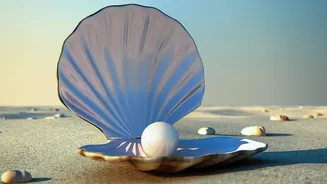
A shell garden is a creative and captivating way to display small plants. By using medium to large seashells as planters, you can create a miniature world on your windowsill or desk. The concept is simple: find a shell with a deep enough opening, ensure
it has a small drainage hole, fill it with a bit of soil, and tuck in a plant. The most popular choices for these tiny homes are succulents and air plants because they require minimal water and have shallow root systems, making them perfect for the limited space. Plants like Echeveria, which resemble small roses, or various types of Thyme can thrive in these conditions, creating a beautiful fusion of coastal and garden aesthetics. The natural curves and textures of the shells provide a unique and organic home for your greenery.
Why Trays Are a Game-Changer
While a single shell planter is lovely, a collection can quickly become difficult to manage. This is where a tray becomes an essential tool, not just an accessory. A tray groups your individual shell pots into a single, cohesive unit. This makes them incredibly easy to move for watering or to find a new sunny spot. More importantly, a tray protects your furniture. When you water your plants, any excess will drip out of the drainage holes. A tray or saucer catches this water, preventing stains and damage to your wooden tables, shelves, or windowsills. It keeps your display tidy and reduces the risk of root rot by ensuring the shells aren't sitting in stagnant water. Functionally, it simplifies care and keeps your living space clean.
Creating a Cohesive Display with Trays
The right tray does more than just catch water; it serves as the visual foundation for your entire shell garden. Choosing a tray that matches your shells and your room's decor can transform your collection into a deliberate design element. For a natural, earthy look, consider a shallow terracotta saucer, a simple wooden tray, or even a flat piece of slate. These materials complement the organic feel of the shells. For a more modern aesthetic, a sleek ceramic or minimalist plastic tray in a neutral colour can provide a clean backdrop that makes the shells and plants pop. The key is to create harmony. By unifying your shell planters on a single, well-chosen tray, you create a beautiful 'gardenscape' that looks intentional and beautifully curated.
The Quiet Power of Plant Labels
As your collection of tiny plants grows, it can be surprisingly easy to forget which plant is which, let alone their specific care needs. Plant labels are the simple solution to this common problem. A label is more than just a name tag; it's a vital tool for effective plant care. You can use it to note down the plant's name, its watering schedule, or its sunlight requirements. This is especially helpful when you have multiple types of succulents that might look similar but have different needs. Remembering whether the plant in the conch shell needs water once a week or once a month becomes effortless. This simple act of labelling helps prevent common mistakes like over or underwatering, ensuring your little green friends stay healthy and thrive.
Labels as a Finishing Design Touch
Just like the tray, labels can be both functional and beautiful. Instead of using a standard plastic marker, you can get creative and make labels that enhance the coastal theme of your garden. Small, smooth pebbles or stones can be painted with the plant's name, adding a natural touch. You could also write on smaller, flat shells and place them next to each planter. Other popular DIY ideas include using small wooden tags, pieces of broken terracotta pots, or even stamping names onto old spoons for a vintage look. The goal is to choose a style that matches the aesthetic of your shells and tray, tying the entire display together. These thoughtful details are what elevate your shell garden from a simple hobby into a truly personalised piece of living art.