



The Power of a Single Wall
An accent wall is one of the most effective tools in interior design. Instead of committing to the cost and labour of redoing an entire room, you focus all your creative energy on one focal point. This approach is perfect for Indian homes where spaces
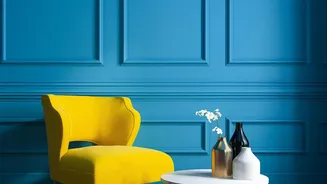
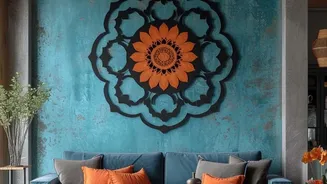
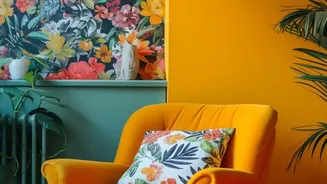
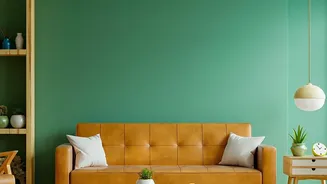
can be multifunctional. A bold wall can create a visual anchor behind a sofa in the living room, serve as a headboard in the bedroom, or add personality to a dining area. It draws the eye, adds depth, and allows you to experiment with bold designs that might feel overwhelming on all four walls. The result is a curated, intentional look that feels professionally designed.
What is Colour-Blocking?
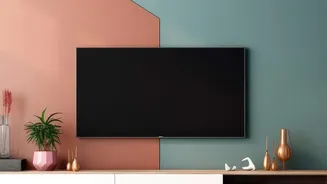
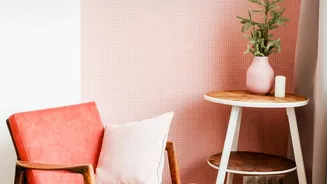
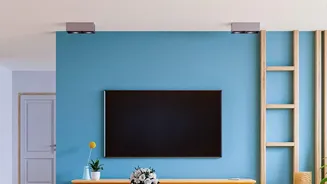
Colour-blocking is a design trend that involves using two or more solid, often contrasting, blocks of colour to create a graphic and modern effect. In wallpaper, this translates to designs featuring bold geometric shapes, clean lines, and distinct colour fields. Think less about intricate floral patterns and more about confident, artistic statements. This technique can make a room feel more dynamic and can even be used strategically. For instance, vertical stripes or blocks can create the illusion of higher ceilings, while horizontal designs can make a room feel wider. It’s a sophisticated style that brings a gallery-like feel into your home.
Choosing Your Perfect Palette
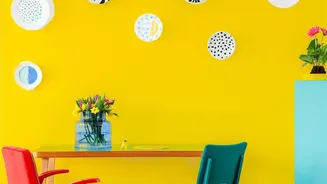
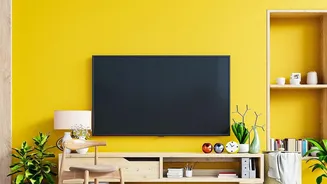
The key to successful colour-blocking is a thoughtful palette. Start by looking at your room's existing elements—your sofa, curtains, and flooring. Your wallpaper should complement these tones, not clash with them. For a calming bedroom, consider a combination of soft blues and greys or muted greens and beige. For an energetic living room, a pop of mustard yellow, teal, or even raspberry can create a vibrant focal point. A good rule is to pick one or two main colours from the wallpaper and repeat them in smaller doses around the room, like in cushion covers or a vase, to create a cohesive look.
A Simple Guide to Application
Applying wallpaper is more accessible than ever, especially with modern peel-and-stick options that are perfect for renters and DIY novices. The process is straightforward: first, ensure your wall is clean, dry, and smooth. Patch any holes and sand down bumps for a flawless finish. Next, measure your wall and cut your first wallpaper panel, leaving a little extra at the top and bottom for trimming. For peel-and-stick, simply remove the top portion of the backing, align it with the ceiling and your vertical guide line, and slowly smooth it down, peeling away the backing as you go. Use a smoother tool to push out any air bubbles from the centre outwards.
Why This is a Smart Budget Choice
Redecorating can be expensive, but the accent wall strategy delivers maximum visual impact for a minimal investment. You're only buying wallpaper for one wall, which significantly cuts down on material costs. In India, budget-friendly and good-quality wallpaper can be found starting from around ₹50-₹150 per square foot, making it an affordable project. When compared to buying new furniture, repainting an entire room, or hiring professional designers, a wallpapered accent wall provides a transformation that looks far more expensive than it actually is. It's a savvy way to keep your home feeling fresh and modern without straining your wallet.
Styling Your New Accent Wall
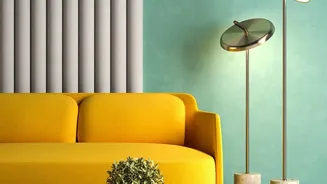
Once your wallpaper is up, the final step is to integrate it with your decor. Let the accent wall be the star and keep the furniture directly in front of it relatively simple. You can tie the look together by pulling colours from the wallpaper into other accessories. If your wallpaper has a touch of blue, a few blue cushions on the sofa or a piece of art with similar tones on an adjacent wall will create a harmonious flow. Adding a floor lamp or a statement plant near the wall can also help frame it beautifully and complete the transformation.