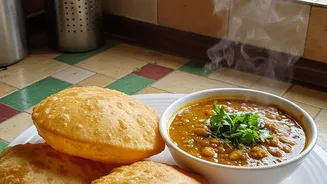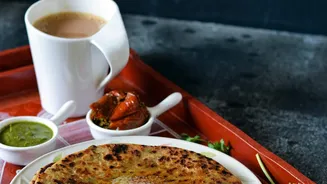





In the morning rush, a box of cereal seems like the perfect solution. It’s fast, easy, and marketed as healthy. But a growing number of nutritionists are advising a return to tradition, arguing that classic Indian breakfasts are far superior.
The Hidden Downsides of a Cereal Bowl
Many popular
breakfast cereals, despite their health claims, are ultra-processed foods. During processing, grains are often refined, stripping them of essential fibre and nutrients. To make them more palatable, manufacturers add significant amounts of sugar, which is often listed as the second or third ingredient. A single serving can contain a surprising amount of added sugar, sometimes comparable to a dessert. This leads to a rapid spike in blood sugar, followed by an energy crash that leaves you feeling hungry and sluggish long before lunchtime. This cycle can contribute to overeating, weight gain, and an increased risk of chronic conditions like type 2 diabetes over time.
Protein: The Morning's Most Valuable Player
The key advantage traditional Indian breakfasts have is their protein content. Unlike the carb-heavy profile of most cereals, a protein-rich start to the day is a game-changer. Protein is crucial for repairing tissues and building muscle, but its morning benefits are particularly significant. It digests more slowly than simple carbohydrates, promoting a feeling of fullness, or satiety, that helps prevent mid-morning snacking. A breakfast with adequate protein helps stabilize blood sugar levels, providing sustained energy and preventing the sharp spikes and crashes associated with sugary foods. This leads to better concentration, improved mood, and more effective appetite control throughout the day.
Rediscovering Traditional Nutritional Wisdom
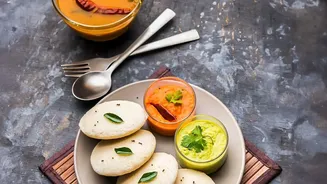
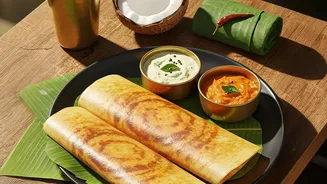
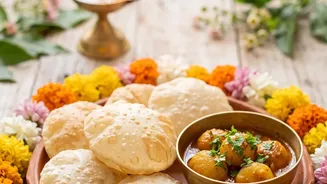
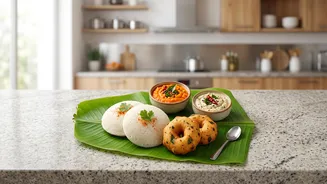
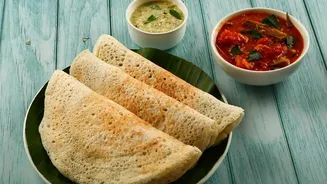
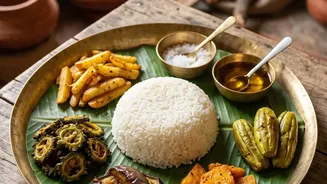
For generations, Indian breakfasts have been built on a foundation of balanced nutrition. They naturally combine complex carbohydrates, protein, and healthy fats. Dishes like idli and dosa are made from fermented batter, which not only makes them easier to digest but also increases the bioavailability of nutrients and provides probiotics for good gut health. Many recipes incorporate lentils (dal), vegetables, and spices, creating a meal that is rich in fibre, vitamins, and minerals. Spices like turmeric and cumin, common in Indian cooking, also offer anti-inflammatory and digestive benefits. These meals are typically cooked fresh, avoiding the artificial colours, flavours, and preservatives found in many packaged foods.
Power-Packed Plates to Start Your Day
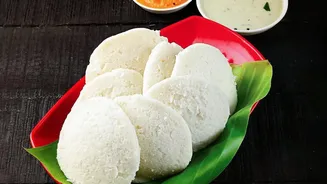
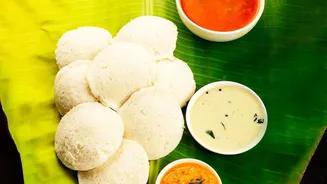
Making the switch is easier than you think, as many of these dishes are staples in Indian kitchens. A moong dal chilla, for instance, is a savoury pancake made from lentils that is packed with plant-based protein, offering around 16–18 grams of protein in a two–chilla serving. Poha, or flattened rice, when cooked with vegetables and a handful of peanuts, becomes a light yet balanced meal providing iron, healthy fats, and sustained energy. Steamed idlis served with a bowl of sambar (a lentil–based vegetable stew) offer a perfect combination of fermented carbohydrates and protein. Even upma, when loaded with vegetables, provides fibre and a gradual release of energy that far outperforms a bowl of sugary flakes.