
Understanding the Sadya
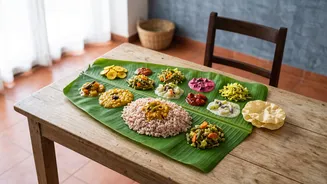
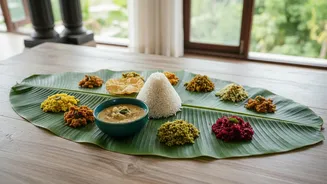
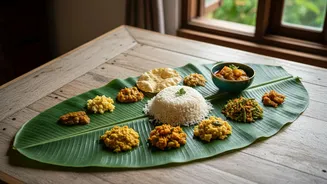
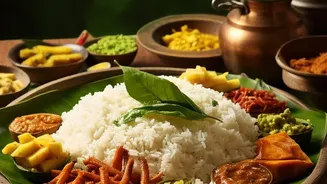
A Sadya, which means banquet in Malayalam, is a traditional vegetarian feast originating from Kerala. It is central to celebrations like Onam and Vishu, as well as weddings and other special occasions. Served on a banana leaf, the meal consists of boiled
red rice accompanied by a wide variety of side dishes, pickles, savouries, and desserts. The experience is a masterful balance of the six fundamental tastes—sweet, sour, salty, pungent, bitter, and astringent—creating a meal that is both delicious and harmonious. The dishes are served in a specific order and have designated spots on the leaf, turning the meal into a cultural ritual.
Planning Your Menu: The Essentials
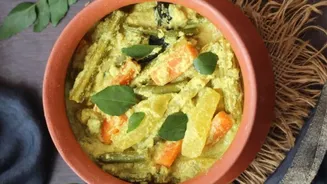
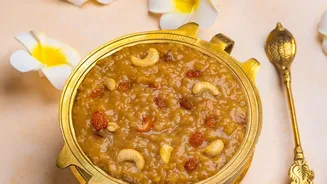
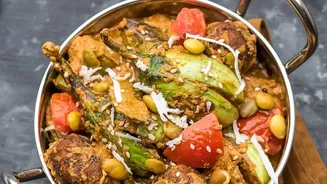
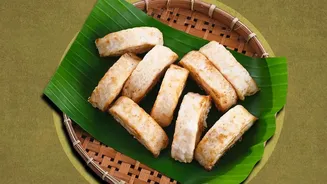
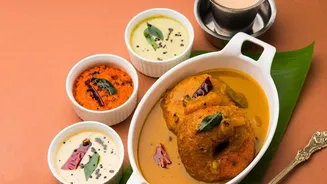
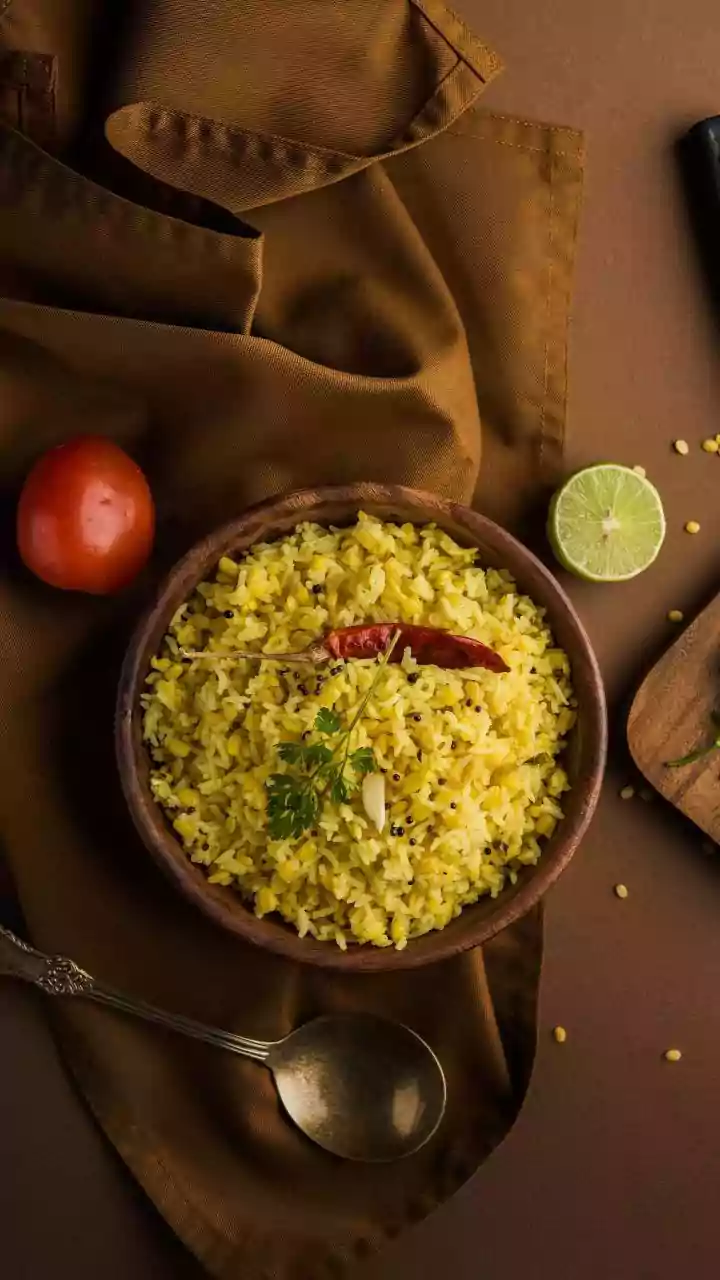
A traditional Sadya can feature 28 dishes or more, but you don't need to make them all for a fulfilling home experience. Focus on a selection of core items. Aim for around 10-12 dishes for a manageable feast. Essential categories include: Rice: Kerala Matta rice is traditional. Parippu & Sambar: The meal begins with rice served with parippu (a mild lentil curry with ghee) followed by sambar (a flavorful vegetable and lentil stew). Key Side Dishes: Include an Avial (mixed vegetables in a coconut-yoghurt gravy), a Thoran (a dry stir-fry with coconut, often cabbage or beans), and an Olan (a mild curry of ash gourd and cowpeas in coconut milk). Yoghurt-based Dishes: A Pachadi (like beetroot in spiced yoghurt) and a Kichadi (cucumber in yoghurt) add a cooling contrast. Pickles & Chips: No Sadya is complete without Inji Puli (a sweet and sour ginger-tamarind pickle), mango pickle, banana chips (upperi), and jaggery-coated banana chips (sharkara varatti). Dessert: A Payasam (a sweet pudding) is a must. Palada Payasam (made with rice flakes and milk) is a classic choice.
The Preparation Game Plan
Strategic preparation is the key to a stress-free Sadya. You can stagger the cooking over two to three days. Two Days Before: Shop for all your vegetables and groceries. This is also a good time to make pickles like Inji Puli and mango pickle, as their flavours improve with time. One Day Before: The bulk of your prep work can be done now. Chop all the vegetables and store them in separate containers. You can grate coconut, prepare jaggery syrup, and even cook dishes like sambar, as its taste deepens overnight. Frying papadams and chips in advance saves time on the main day. The Day of the Sadya: Focus on the fresh dishes. Cook the rice so it's hot for serving. Prepare the Avial, Olan, Thoran, and any Pachadi or Kichadi. These dishes rely on the freshness of coconut and yoghurt and are best made on the day. The final step is to make the Payasam, which can simmer while you assemble everything else.
The Art of Serving on the Banana Leaf
The serving of the Sadya is a tradition in itself. Use the tip end of the banana leaf (thooshanila). The narrow end of the leaf should always point to the diner's left. The upper half of the leaf is for all the side dishes, while the lower, broader half is reserved for the rice. Serving starts from the top left corner. A small banana, salt, papadam, and chips are placed first. Moving from left to right across the top edge, arrange the pickles (Inji Puli, mango pickle), followed by the Kichadi, Pachadi, Olan, Erissery, Avial, and Thoran. Once guests are seated, serve a heap of hot rice in the center of the lower half. The first course is a spoonful of Parippu curry with a dollop of ghee. This is followed by Sambar, poured over the next serving of rice. Rasam and a buttermilk-based curry like Pulissery are served in subsequent courses, and finally, the Payasam is served, sometimes directly on the leaf, to conclude the meal.