







The Goldilocks Zone for Sleep
While personal preference plays a role, most scientific research and environmental agencies agree that an ideal indoor humidity level is crucial for comfortable sleep. The general consensus, supported by agencies like the U.S. Environmental Protection
Agency, places the optimal relative humidity for a bedroom between 30% and 50%. Some studies suggest a slightly narrower and higher range of 40% to 60% might be even better for keeping airways comfortably moist without creating dampness. Most experts agree that levels should never exceed 60%, as this is where problems begin to arise. This range isn't arbitrary; it represents a balance that supports your body's natural functions during sleep, from breathing to temperature regulation.
How High Humidity Disrupts Rest
Humid air feels heavy and can significantly disrupt your sleep architecture, which is the natural cycling through different sleep stages. High humidity, especially when combined with heat, increases wakefulness and reduces the time your body spends in the most restorative stages of sleep: deep slow-wave sleep and REM sleep. This is critical because these stages are responsible for physical recovery, immune system support, and memory consolidation. The primary mechanism is interference with your body's ability to cool down. Sweat cools the body by evaporating off the skin, but in humid air, this process is much less efficient. This can lead to overheating, night sweats, and a feeling of restlessness. Furthermore, damp environments are breeding grounds for allergens like mold and dust mites, which can trigger respiratory issues, congestion, and breathing difficulties that further fragment your sleep.
The Problem with Air That's Too Dry
On the other end of the spectrum, excessively low humidity also poses challenges to a good night's rest. Dry air can irritate your respiratory system, leading to a dry, sore throat, itchy nose, and even nosebleeds. This irritation can make breathing less comfortable, potentially worsening issues like snoring and aggravating symptoms for those with sleep apnea. Your skin and eyes can also become dry and itchy, adding another layer of physical discomfort that can pull you from sleep. While less impactful on core body temperature regulation than high humidity, the persistent irritation from overly dry air can lead to shallow, fragmented sleep and leave you feeling less than refreshed in the morning.
Finding Your Bedroom's Humidity Balance
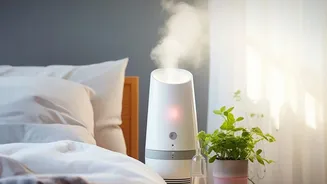
Achieving that 30-50% sweet spot is more manageable than it might sound. The first step is to measure your current levels with a simple and inexpensive tool called a hygrometer, which is often built into modern digital thermostats and indoor weather stations. If your air is consistently too moist, particularly during humid seasons, a dehumidifier is an effective solution. Running your air conditioning also helps to remove moisture from the air. Conversely, if your air is too dry, which is common in winter when heating systems are running, a humidifier can add necessary moisture back into the environment. Ensuring proper ventilation by using fans or briefly opening a window can also help regulate humidity and improve overall air circulation.
Small Adjustments for Better Sleep
Beyond using dedicated appliances, other small changes can contribute to a better sleep environment. Choosing breathable bedding made from natural fibers like cotton or linen can help regulate body heat and manage moisture. Fixing any household leaks and sealing drafts can help stabilize your home's environment, preventing wild swings in humidity. Because high humidity promotes the growth of allergens, keeping the bedroom clean and dust-free is especially important for those with allergies or asthma. By paying attention to the moisture in your air, you can address a frequently overlooked element of sleep hygiene and create a bedroom environment that truly supports deep, restorative rest.