


What Exactly Is a Cool Roof?
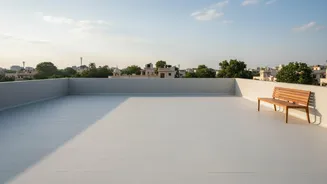
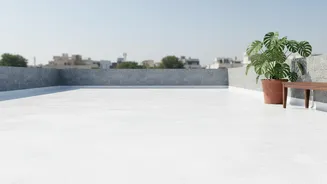
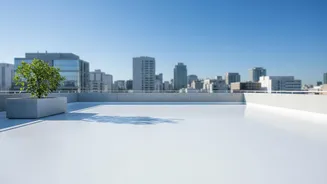
Think of it like choosing a white shirt over a black one on a sunny day. A cool roof is simply a roof that has been treated to reflect more sunlight and absorb less heat than a standard roof. Most conventional urban roofs, often made of concrete, metal,
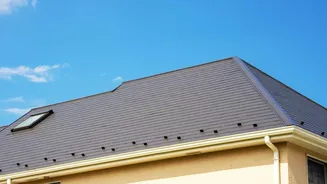
or asbestos, absorb the sun's energy, getting intensely hot and transferring that heat into the home below. A cool roof does the opposite. By using reflective paints, special coatings, or specific types of tiles, it bounces a significant portion of solar radiation back into the atmosphere, keeping the surface and the building cooler.
The Simple Science of Staying Cool
The effectiveness of a cool roof comes down to two key properties: solar reflectance and thermal emittance. Solar reflectance is the measure of how much sunlight the roof reflects. A standard dark roof might reflect only 20% of sunlight, while a cool roof can reflect 80% or more. Thermal emittance is the roof's ability to radiate away the heat that it has absorbed. A high-performance cool roof excels at both, meaning it not only avoids absorbing heat in the first place but also efficiently sheds the little heat it does take in. This combination can lead to a roof surface that is dramatically cooler than a traditional one, sometimes by more than 50°F, significantly reducing the amount of heat seeping into your home.
The Benefits for Your Home and Wallet
The most immediate benefit is enhanced thermal comfort. Studies and pilot projects in Indian cities like Ahmedabad and Hyderabad have shown that cool roofs can lower indoor temperatures by a noticeable 2 to 5°C. For homes without air conditioning, this can make living conditions far more bearable during intense heatwaves. For those with AC, the impact is on the electricity bill. By reducing the heat load on the building, air conditioners don't have to work as hard or as long to maintain a cool temperature, leading to significant energy savings. Some estimates suggest cool roofs can cut cooling energy needs by 15% to 30%, which translates directly into lower monthly expenses. Furthermore, by reducing extreme temperature fluctuations on the roof's surface, these treatments can also extend the lifespan of the roofing material itself.
Fighting the Urban Heat Island Effect
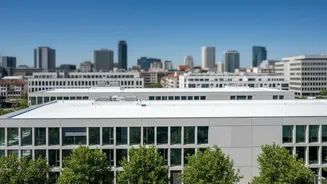
A cool roof doesn't just benefit you; it benefits your entire neighbourhood. Cities are full of dark, heat-absorbing surfaces like roads and conventional roofs, creating what is known as the "urban heat island effect." This phenomenon can make urban areas several degrees hotter than the surrounding rural countryside. When adopted widely, cool roofs collectively lower the ambient temperature of a neighbourhood. By reflecting sunlight, they reduce the amount of heat trapped at street level, which can help improve air quality and lessen the strain on the city's power grid during peak summer demand. This makes it a powerful community-level climate adaptation strategy.
What Are the Options in India?
Implementing a cool roof doesn't necessarily mean a complete roof replacement. There are several options available to suit different budgets and building types. The most accessible solution is applying a solar reflective coating, which is similar to a thick, durable paint. Some traditional, low-cost options like a simple lime wash can also be effective. For a more permanent solution, one can opt for specialised cool tiles made of materials like ceramic or terracotta, or install pre-fabricated membranes with high reflectivity. The costs can vary, but even inexpensive coatings offer a substantial return on investment through energy savings. Recognizing these benefits, some states like Telangana have introduced policies to encourage or even mandate cool roofs for new buildings, a trend that is likely to grow across urban India.