

The Problem with Haphazard Drying
When the rain is relentless, drying clothes indoors becomes a necessity, not a choice. However, simply hanging wet clothes on chairs, doors, and curtain rods creates more problems than it solves. This common practice traps moisture inside your home, leading
to high humidity levels that can exceed 80-90% in cities like Mumbai and Kolkata during the monsoon. This damp environment is the perfect breeding ground for mould and mildew, which can cause respiratory issues, trigger allergies, and leave a persistent musty odour on your clothes and in your home. Clothes that take too long to dry not only smell unpleasant but can also force you to rewash them, wasting time and water. Establishing a designated drying area is not about luxury; it's about hygiene, air quality, and household efficiency.
Choosing the Right Location
The first step is to identify the best possible spot in your home. An ideal drying zone has one key feature: good ventilation. Look for a space near a window that can be slightly opened or a room with an exhaust fan. A covered balcony, a spare room, a utility area, or even a low-traffic corner of a larger room can work. Avoid drying clothes in the bedroom you sleep in or in bathrooms without proper ventilation, as these areas can become unhealthily humid. The goal is to isolate the laundry and its moisture, preventing it from affecting your entire living space. If you have a balcony, even a small one, it can be a powerful asset. Installing a plastic monsoon curtain can block sideways rain while still allowing for natural airflow.
Essential Gear for Your Drying Zone
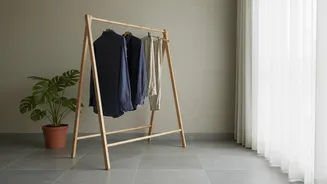
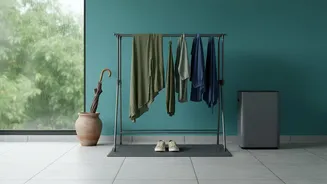
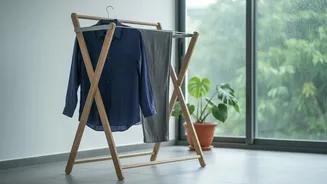
You don’t need expensive equipment to set up an effective drying zone. The cornerstone is a good quality drying rack. Vertical or tiered racks are excellent for small apartments as they maximize vertical space. Foldable metal racks are a better choice than wooden ones, which can warp in the damp conditions. For even more space-saving solutions, consider retractable clotheslines that can be pulled out when needed, or over-the-door and wall-mounted racks. A simple pedestal or table fan is a crucial addition. Aiming a fan at the clothes dramatically speeds up evaporation by circulating air. For those in extremely humid areas, a dehumidifier is a game-changing investment. It actively pulls moisture from the air, drastically reducing drying times and preventing mould.
Smart Techniques for Faster Drying
How you hang your clothes is as important as where you hang them. First, ensure your washing machine has removed as much water as possible by using the highest spin cycle your fabrics can tolerate; an extra spin can make a big difference. When hanging, give each garment space to breathe. Avoid overcrowding the rack, leaving a few inches between items to allow air to circulate freely. This simple habit can significantly cut down drying time. Use hangers for shirts, kurtas, and dresses to expose more surface area to the air. For heavy items like jeans and towels, try rolling them in a dry towel before hanging to absorb excess water. It's also more efficient to do smaller loads more frequently rather than one massive load that overwhelms your drying space.
Keeping Musty Smells Away
The dreaded monsoon musty smell comes from bacteria and mildew growing on damp fabric. The key to preventing this is ensuring clothes dry as quickly as possible and are completely dry before being stored. Remove clothes from the washing machine as soon as the cycle finishes, as leaving them in a damp pile is where odours begin. If some clothes are still slightly damp after a day, a quick press with a hot iron can remove the last traces of moisture, especially in thick seams and waistbands. To maintain freshness, consider placing bowls of camphor, unrefined salt, or activated charcoal bags near your drying area to absorb moisture and odours. A few drops of an essential oil in a diffuser can also help keep the air smelling pleasant.