






A Conscious Uncoupling from Refined Oils
For decades, clear, odourless, and mass-produced refined oils dominated Indian kitchens, marketed as the modern, 'heart-healthy' choice. But a significant shift is underway, led by a generation that reads labels, questions industrial processes, and seeks
authenticity. They are looking past the brightly lit supermarket aisles and rediscovering the oils of their grandparents: cold-pressed mustard, coconut, groundnut, and sesame oil, often sourced from local 'ghanis' (oil presses). This isn't just about nostalgia; it’s a deliberate wellness choice, rooted in a deeper understanding of food science and a desire for transparency in what they consume.
What’s the Problem with ‘Refined’?
To understand the appeal of cold-pressed oils, it helps to know what they are rebelling against. The refining process is an industrial one designed for high yield and long shelf life. Crude oil is often extracted using chemical solvents like hexane, then subjected to extremely high heat, bleaching, and deodorising. While this process removes impurities, it also strips the oil of its natural character. Most of the vital nutrients, including vitamins, antioxidants, and polyphenols that have anti-inflammatory properties, are destroyed. What’s left is a neutral, stable fat, but one that has lost much of its inherent goodness. For a generation obsessed with 'clean eating', this chemical-heavy, nutrient-stripping process feels like a bad deal.
The Cold-Pressed Advantage
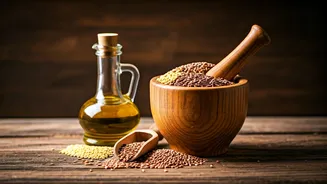
Cold-pressing, known traditionally as 'kachhi ghani' or 'chekku', is a mechanical process. Seeds or nuts are simply crushed at a low temperature to force out the oil. Because there's no high heat or chemical intervention, the oil retains its original nutritional profile. These oils are rich in antioxidants like Vitamin E, healthy fats, and other micronutrients that are otherwise lost during refining. For example, cold-pressed coconut oil is prized for its medium-chain triglycerides (MCTs), which are easily metabolised for energy. Cold-pressed mustard oil keeps its pungent, anti-microbial compounds. For the fitness-conscious, this means they're not just consuming calories; they're consuming nutrients that support their health goals, from reducing inflammation to improving heart health.
It’s a Matter of Taste and Terroir
The revival is about more than just health metrics. It's a culinary awakening. Young foodies and home cooks are realising what their elders always knew: fat is flavour. The sharp, pungent kick of mustard oil in a fish curry, the nutty aroma of groundnut oil in a poha, or the fragrant sweetness of coconut oil in a South Indian stew are irreplaceable. Refined oils, being neutral, can't provide this depth. This movement also connects to a broader trend of sustainability and supporting local economies. By choosing cold-pressed oils from smaller, local producers, consumers feel they are making an ethical choice, voting with their rupees for a shorter, more transparent food chain that bypasses large-scale industrial agriculture.
How to Choose and Use Them Wisely
Making the switch requires a bit of knowledge. One key factor is the 'smoke point'—the temperature at which an oil begins to burn and break down, creating harmful compounds. Many cold-pressed oils have a lower smoke point than their refined counterparts. Cold-pressed groundnut and sesame oils are relatively stable and good for everyday sautéing and stir-frying at medium heat. Pungent mustard oil is a classic for traditional North and East Indian cooking. Delicate oils like extra virgin coconut or flaxseed oil are best used for drizzling over salads or in preparations that require no or low heat. The rule of thumb is to match the oil to the cooking method to preserve both its flavour and its health benefits.