




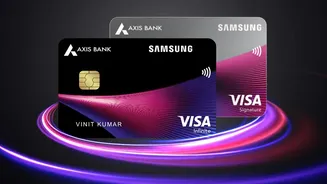


Choose the Right Card for Your Spending
The first step to maximising cashback is choosing a card that aligns with your lifestyle, not just the one with the flashiest welcome offer. Start by analysing your expenses. Are you spending most on groceries, fuel, online shopping, or travel? Some cards
offer a high flat cashback rate on all spends, which is great for simplicity. Others provide accelerated rewards on specific categories, like 5% on utility bills or dining. The goal is to find a card that rewards you for your existing spending habits, not one that tempts you to spend more in categories you don't frequent. Also, pay attention to annual fees and whether your expected rewards will outweigh the cost.
Understand the Rules of the Game
Every cashback card comes with its own set of rules. It is crucial to read the fine print. Many cards have a monthly cap on the amount of cashback you can earn in accelerated categories. For example, a card might offer 5% back on online shopping, but only up to ₹500 per month. Any spending beyond that might earn a much lower base rate. Similarly, some transactions like wallet loading, fuel purchases, or EMI conversions may be excluded from cashback altogether. Understanding these limits and exclusions helps you strategise. For serious maximisers, this might even mean using two or three different cards, each for the category where it performs best.
The Golden Rule: Pay Your Bill in Full
This is the most critical principle of responsible credit card use. The benefits of cashback are completely wiped out if you start accumulating interest. Credit card interest rates are notoriously high, and they compound daily, meaning your debt can grow exponentially. When you pay your balance in full by the due date, you benefit from an interest-free grace period. If you carry even a small balance forward, you typically lose this grace period, and all new purchases will start accruing interest immediately. Only paying the minimum amount due is a trap that can keep you in debt for years, costing you far more in interest than you ever earned in rewards.
Use Your Card for Planned Expenses Only
The allure of earning rewards can create a psychological temptation to overspend. To counter this, you should only use your credit card for purchases you had already planned and budgeted for. Think of it as a payment tool, not a source of extra funds. A smart strategy is to use your card for all regular bills and expenses—like groceries, utilities, and phone bills—that you would be paying for anyway. This way, you passively accumulate cashback without altering your spending habits or buying things you don't need. If the temptation to splurge is too strong, it might be better to stick with debit or cash for discretionary spending.
Automate Payments to Avoid Fees
Missing a payment due date is a costly mistake. Not only does it trigger late payment fees, but it also leads to interest charges and can negatively impact your credit score. The easiest way to avoid this is to set up an automatic debit from your bank account to pay the credit card bill. Most banks offer two options: paying the minimum amount due or paying the total statement balance. Always choose to automate the payment of the total balance. This single action ensures you never miss a payment and never carry a balance, keeping your cashback earnings pure profit.
Track and Redeem Your Rewards
Earning cashback is only half the battle; you also need to redeem it. Some cards automatically credit the cashback to your statement each month, which is the most hassle-free option. Others accumulate rewards as points that you need to manually redeem for statement credit, vouchers, or products. Be aware of any expiry dates on your reward points. Make it a habit to check your rewards balance periodically and redeem it regularly. Unclaimed rewards are essentially an interest-free loan to the bank. Ensure the value you worked to accumulate actually ends up back in your pocket.