




The New Backpacker Frontier
For decades, the quintessential backpacking trip for young Indians involved beaches in Thailand or hostels in Europe. But a shift is underway. An increasing number of Gen Z and Millennial travelers are seeking destinations that feel less discovered and more
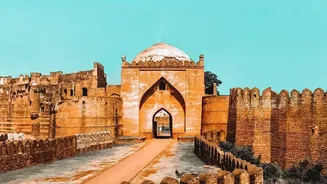
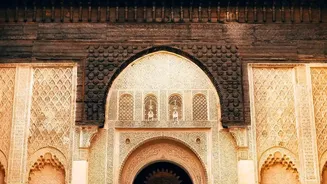
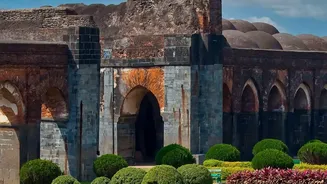
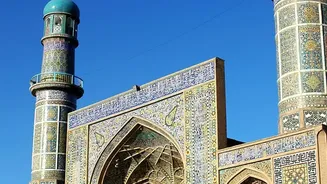
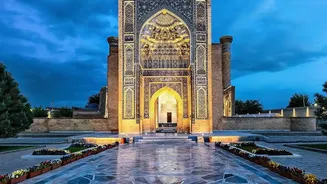
authentic. Enter Uzbekistan, a country rich in history that is rapidly becoming one of the world's hottest travel destinations. Publications like The New York Times have noted its rising popularity among young adventurers drawn to its combination of cultural depth, safety, and authenticity. The allure lies in walking through cities like Samarkand, Bukhara, and Khiva, where turquoise-domed mosques and intricate mosaics tell stories of a bygone era, offering a travel experience that feels both profound and eminently shareable.
An Affordable Adventure
The primary driver behind this trend is undeniable: value for money. While the headline mentions low flight prices, the real story is the remarkably low cost once you are on the ground. Backpackers report daily budgets as low as $20-$30, covering accommodation, food, and transport. A dorm bed in a clean, highly-rated hostel can cost between $5 and $10, while a hearty meal of plov, the national dish, might only set you back a dollar or two. Even entrance fees to the most magnificent historical sites are typically under $8. This incredible affordability, combined with simplified visa rules—including a 30-day visa-free entry for Indian citizens—makes Uzbekistan an accessible dream for budget-conscious explorers.
Overland by High-Speed Rail
The term “overland travel” might conjure images of bumpy, arduous bus journeys, but in Uzbekistan, it often means gliding between ancient cities on a modern, high-speed train. The country has invested significantly in its railway infrastructure, with the sleek 'Afrosiyob' train connecting the capital, Tashkent, to Samarkand in just over two hours. The network also extends to Bukhara and, more recently, to the desert city of Khiva. This makes traversing the vast landscapes of the historic Silk Road not just easy but comfortable and scenic. For travelers, this means less time spent on challenging logistics and more time immersing themselves in the destinations, interacting with friendly locals, and soaking in the desert scenery from a comfortable seat.
A Destination Made for the Digital Age
In an era where travel is often documented and shared in real-time, Uzbekistan’s visual appeal is a significant magnet for a younger generation. The architectural grandeur of the Registan in Samarkand, the labyrinthine alleys of Bukhara's old town, and the preserved city-museum of Khiva provide a stunning backdrop for photography. Social media is filled with images of shimmering madrasahs and bustling bazaars, with millions of views under hashtags related to the country. A recent poll of young European travelers even found that a third credited their trip to an off-the-beaten-path destination like Uzbekistan with improving their Instagram game. This digital word-of-mouth is helping to transform the country from a relatively unknown 'stan' into a must-see destination on the global travel circuit.
Beyond the Ancient Stones
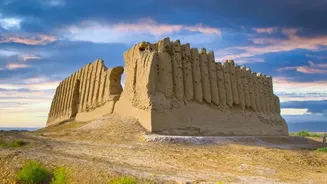
While the Silk Road heritage is the main draw, those who visit discover a country with more to offer. The capital, Tashkent, is a fascinating blend of Soviet-era architecture and modern green spaces, with a metro system where each station is a unique work of art. Beyond the cities, Uzbekistan's diverse landscapes range from the deserts that house ancient fortresses to the mountains of the Western Tian Shan range, which offer trekking and the chance to spot rare wildlife. But for many, the most lasting impression is the warmth of Uzbek hospitality. In a travel landscape increasingly defined by over-tourism, the opportunity to connect with a welcoming culture in a place that feels both safe and adventurous is a powerful combination.