





The Fried and the Furious
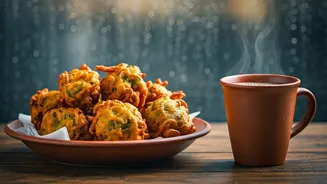
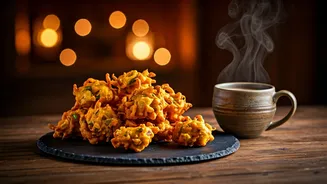
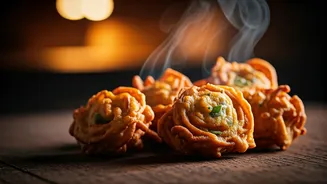
When the skies open up, kitchens and street stalls across India fire up their woks. The undisputed kings of the monsoon food frenzy are deep-fried snacks, most notably *pakoras* and *samosas*. A *pakora* is a delightfully versatile fritter; vegetables
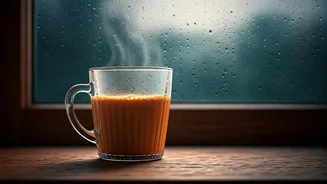
like potato, onion, spinach, or cauliflower are dipped in a spiced chickpea flour batter and fried to a golden crisp. Imagine a tempura, but with the warm, earthy spices of the subcontinent. Samosas, their triangular cousins, are crispy pastry pockets filled with a savory mixture of spiced potatoes and peas. The magic lies in the contrast: the hot, crunchy, slightly oily exterior against the cool, damp air. Paired with a steaming cup of masala *chai*—black tea boiled with milk and a fragrant blend of spices like cardamom, ginger, and clove—it becomes more than a snack. It’s an event, a ritual that feels both deeply personal and universally understood across the nation.
The Street-Side Icon: Roasted Corn
Walk through any market in India during the monsoon, and you'll inevitably find vendors fanning embers under a wire grill. On top sits the humble star of the season: *bhutta*, or corn on the cob. But this isn't the sweet, boiled corn you might find at an American summer barbecue. This is corn roasted directly over hot coals until the kernels are lightly charred and smoky. The vendor then performs a practiced ritual: they slice a lime in half, dip it into a potent spice mix (typically salt, chili powder, and chaat masala), and rub it vigorously all over the hot cob. The result is a taste explosion—smoky, tangy, spicy, and slightly sweet all at once. Clutching a hot *bhutta* while huddled under an awning, watching the rain fall, is a core memory for countless Indians.
The Comfort Craving Explained
So why this specific reaction? The connection is part physiological, part psychological. The drop in temperature during a downpour naturally makes our bodies crave hot, energy-dense foods. On a gray, gloomy day, our serotonin levels can dip, and carb-heavy, fatty foods like pakoras can provide a temporary mood boost. It’s the same impulse that makes an American reach for mac and cheese on a cold winter night. But in India, the association is much stronger. These foods are inextricably linked with the joy and relief the monsoon brings. After months of oppressive heat that can grind daily life to a halt, the rain is a celebration. It replenishes rivers, nourishes crops, and brings life back to the parched landscape. The food, therefore, becomes a celebratory feast.
A Social Glue
Ultimately, India’s rainy weather food frenzy is about connection. It's the excuse to gather with family around a plate of homemade fritters, the impromptu decision to duck into a tea stall with friends to wait out a storm, or the shared experience of bargaining with a corn vendor. It transforms a simple weather event into a communal activity. The act of preparing and sharing these specific foods reinforces bonds and creates traditions that are passed down through generations. The sound of sizzling oil becomes the soundtrack to the monsoon, a comforting rhythm that signals togetherness and contentment. It’s a reminder that sometimes, the most profound cultural expressions aren't found in grand monuments, but on a simple plate of food shared while listening to the rain.