





The Ideal Dose: How Much Is Enough?
For most healthy adults, the recommended daily intake of chia seeds is one to two tablespoons (about 15-30 grams). This amount is generally considered sufficient to provide significant nutritional benefits without overloading your digestive system. If
you're new to high-fibre foods, it's wise to start with a smaller amount, like half a tablespoon, and gradually increase your intake to allow your gut to adjust. This simple habit can deliver a powerful dose of fibre, protein, and essential fatty acids to kickstart your day.
A Tiny Seed's Big Nutritional Punch
Don't let their small size fool you; chia seeds are a nutritional powerhouse. A two-tablespoon serving packs approximately 10 grams of fibre, which is crucial for digestive health, promoting satiety, and helping to regulate blood sugar levels. They are also one of the best plant-based sources of alpha-linolenic acid (ALA), a type of omega-3 fatty acid that supports heart and brain health. Furthermore, chia seeds are a complete protein, containing all nine essential amino acids your body can't produce on its own. They also offer a significant amount of essential minerals, including calcium, phosphorus, and magnesium, which are vital for bone health.
The 'Too Much' Trap: Potential Side Effects
While incredibly healthy, more is not always better. The most common side effect of consuming too many chia seeds is digestive discomfort. Due to their high fibre content, overindulging can lead to bloating, gas, abdominal pain, and constipation, especially if you're not used to it. It is also critical to consume chia seeds with adequate liquid. The seeds can absorb up to 12 times their weight in water, and eating them dry without enough fluid can pose a choking hazard as they can swell in your throat. People on medications for blood pressure or diabetes should consult their doctor before adding large amounts of chia seeds to their diet, as their high fibre and omega-3 content can affect blood sugar and pressure levels.
Preparation is Key: Soak, Grind, or Sprinkle?
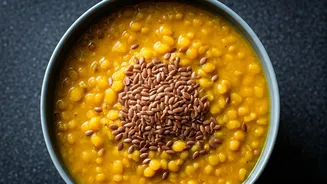
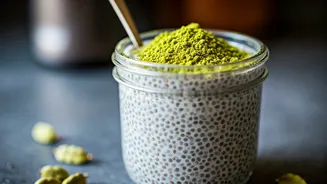
How you prepare chia seeds can impact their benefits. Soaking is one of the most popular methods. When mixed with a liquid like water or milk, the seeds form a gel-like substance that is easy to digest and helps your body absorb the nutrients more effectively. You can also eat them raw by sprinkling them on yoghurt, salads, or oatmeal, but be sure to drink plenty of water throughout the day. Grinding the seeds can make their nutrients even more accessible, though they should be consumed quickly as ground seeds can go rancid. Unlike flaxseeds, you don't have to grind chia seeds to reap their health benefits; eating them whole is perfectly fine.
Beyond the Pudding: Easy Breakfast Ideas
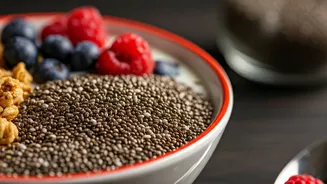
Incorporating one to two tablespoons of chia seeds into your breakfast is simple. Stir them into your morning oatmeal or yoghurt for an added crunch and nutrient boost. Blend them into your favourite smoothie for extra fibre and protein. For a quick and easy breakfast, make overnight oats by mixing rolled oats, milk, chia seeds, and your favourite toppings in a jar and refrigerating it overnight. You can even make a 'chia egg' to use in vegan baking by mixing one tablespoon of chia seeds with three tablespoons of water and letting it sit for about five minutes until it forms a gel.