





Understanding the AQI Numbers
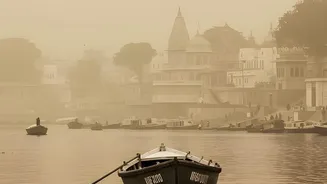
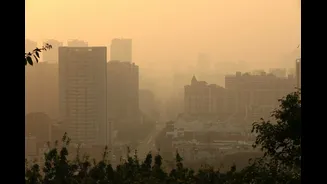
First, let's decode the numbers. The Air Quality Index, or AQI, is a scale used to communicate how polluted the air currently is. An AQI between 201 and 300, as parts of Delhi are now experiencing, is classified as 'Poor'. At this level, the air is dense
with pollutants that can cause breathing difficulties for most people upon prolonged exposure. But long before your chest feels heavy, your eyes often serve as the first line of defence and the first casualty, reacting to the harmful particles they are constantly exposed to.
The Pollutants That Irritate Your Eyes
The smog blanketing the city isn't a single substance but a toxic cocktail of several pollutants. The primary culprits behind your eye discomfort are particulate matter (PM2.5 and PM10), nitrogen dioxide (NO2), sulfur dioxide (SO2), and ground-level ozone. These microscopic particles and gases can easily bypass your body's natural defences. When they come into contact with the surface of your eyes, they disrupt the delicate tear film that is supposed to keep your eyes lubricated and protected.
How Exactly Pollution Harms Your Eyes
The main job of your tear film is to provide a smooth, protective barrier. Pollutants in the air can cause this film to evaporate more quickly, leading to dry spots on the cornea. This is what causes that gritty, sandy feeling. The body's natural response to this irritation is inflammation. This inflammation presents as redness, itching, and a burning sensation. In some cases, the body overcompensates by producing excessive, watery tears in an attempt to flush out the irritants, which is why your eyes might feel both dry and watery at the same time.
Common Symptoms to Watch For
While a burning sensation is the most common complaint, polluted air can trigger a range of other symptoms. Be mindful of persistent redness, itching that makes you want to rub your eyes (which you should avoid), excessive watering, a feeling like something is in your eye, and even temporary blurred vision. For those who wear contact lenses or have pre-existing conditions like dry eye syndrome or allergies, these symptoms can be significantly more severe. In some cases, exposure can lead to conjunctivitis, also known as 'pink eye'.
Simple Steps to Protect Your Vision
You can take several proactive steps to minimize eye irritation. When venturing outdoors on high-pollution days, wear wraparound sunglasses or protective glasses to create a physical barrier. Avoid rubbing your eyes, as this can transfer more pollutants from your hands and worsen the irritation. Using lubricating eye drops, or artificial tears, can help replenish the tear film, keeping eyes moist and flushing out irritants. Upon returning home, gently wash your face and eyelids with clean water to remove any settled particles. Staying well-hydrated by drinking plenty of water also supports overall eye health.
When to Consult a Doctor
For most people, symptoms will subside once they are away from the polluted environment. However, if you experience persistent pain, severe redness, a sharp decline in vision, or if your symptoms don't improve with basic care, it's crucial to see an ophthalmologist. These could be signs of a more serious issue like a corneal abrasion or a severe infection. A doctor can prescribe medicated drops to reduce inflammation and provide a proper diagnosis to prevent long-term complications.