




Beyond the Bucket List
For years, travel was often treated like a checklist of famous sights. The goal was to see as much as possible, collect photos, and move on. This approach, however, is leading to a collective sense of burnout. Modern travellers are realising that a trip
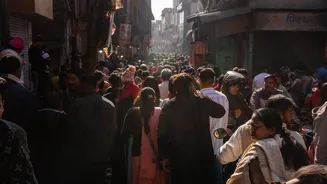
packed with crowded queues and fleeting glances at monuments often feels exhausting rather than refreshing. The pressure to 'do it all' can overshadow the joy of discovery. This fatigue has sparked a move away from passive sightseeing towards active participation. Instead of just seeing a place, people want to feel it and understand it, leading them away from the crowds and towards something more personal and memorable.
A Craving for Connection
At the heart of this trend is a powerful desire for authenticity. In an increasingly digital world, people are searching for genuine human connections and experiences that feel real. Reports show that a vast majority of travellers now actively seek culturally authentic experiences where they can immerse themselves in the local way of life. This isn't just about avoiding tourist traps; it's about engaging with a destination on a deeper level. This can mean learning a local craft, sharing a meal, or hearing stories from a resident historian. It’s a shift from being an observer to becoming a participant in the culture you’re visiting.
History That Breathes
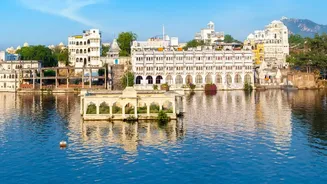
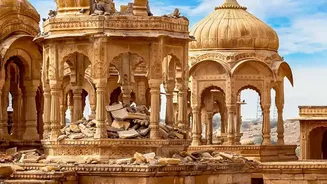
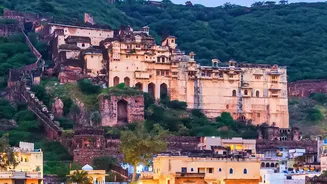
Heritage tourism offers the perfect avenue for this kind of travel. It frames historical sites not as static relics, but as living places with stories to tell. In India, this is particularly resonant, with travellers exploring everything from ancient temple towns and historic forts to restored havelis. Recent data for the festive season shows a marked increase in bookings for heritage stays in places like Jaipur, Udaipur, and Ajanta-Ellora. Heritage and historical sites are the single strongest motivator for culture-led travel, with nearly half of Indian travellers saying they would plan a trip specifically around them. These experiences offer context and a narrative that a simple photo opportunity cannot provide, creating more memorable and educational journeys.
Slowing Down to Experience More
This movement aligns with the broader trend of 'slow travel', which prioritises depth over breadth. Instead of a whirlwind tour of multiple cities, slow travel encourages lingering in one place to truly absorb its rhythm and culture. It’s about discovering the local cafe, understanding regional customs, and moving at a more intentional, less stressful pace. This approach is not only more relaxing but also more sustainable, as heritage travellers tend to stay longer and spend more, which directly benefits local economies and communities. Recent festive travel reports note that while popular spots like Goa remain in demand, smaller coastal towns and heritage destinations are seeing huge surges in interest, suggesting a desire for a slower pace.
Festivals as a Gateway to the Past
The festive season itself is a powerful catalyst for this shift. Holidays are often a time for reflection, family, and tradition, making travellers more inclined to seek experiences that reinforce these values. A significant number of Indian travellers now plan trips specifically to attend cultural or religious festivals like Durga Puja or Diwali in a different setting. Travel data from this year’s festive period in India shows strong growth in searches for cultural and spiritual destinations like Varanasi and Puri. These journeys are no longer just about a holiday break; they are becoming a way to reconnect with personal or national heritage, turning a simple trip into a meaningful pilgrimage.