







More Than Just A Toy
These are not the action figures of your childhood. Known as designer toys or art toys, these collectibles exist at the intersection of pop culture, contemporary art, and high-end design. Think of the whimsical, X-eyed “Companion” figures by the artist
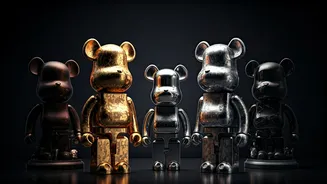
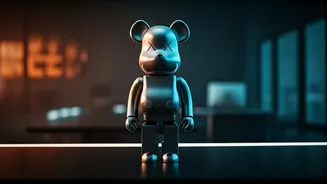
KAWS (Brian Donnelly) or the pot-bellied, pot-headed bear silhouettes of Medicom Toy’s Bearbrick. Produced in limited runs, often in collaboration with famous artists, fashion houses, or cultural icons, these figures are meticulously crafted from materials like vinyl, wood, or even metal. Their value isn't just in their aesthetic appeal, but in their scarcity. Unlike mass-produced Funko Pops, a rare Bearbrick or KAWS figure can be released in editions of just a few hundred, instantly creating a frenzied market of collectors eager to own a piece of the hype.
The New Language of Status
So why has this world of high-end collectibles found such a fervent following among tech founders, venture capitalists, and coders? The answer lies in the culture of Silicon Valley itself. In an industry where the uniform is a hoodie and jeans, traditional markers of success feel outdated. A luxury car might be parked in the garage, but the object on your desk, visible in every video call, speaks volumes. Owning a rare KAWS figure signals more than just having disposable income; it demonstrates cultural capital. It proves you’re tapped into the same zeitgeist as the worlds of streetwear, hip-hop, and modern art—realms that have become increasingly intertwined with tech. It’s a subtle nod to being part of an exclusive club, one that values taste and cultural awareness as much as technical skill. It's a physical asset in a world of intangible code, a colourful, playful rebellion against the stark minimalism often associated with tech.
An Asset With Personality
There's also a powerful financial dimension to this trend, one that resonates deeply with the investment-focused mindset of the tech industry. These figures aren't just decorations; they are speculative assets. The secondary market for designer toys is booming, with platforms like StockX—originally for sneakers—now facilitating a robust trade in figures from KAWS, Bearbrick, and others. A Bearbrick that originally retailed for a few hundred dollars can sell for tens of thousands on the resale market just a few years later. A large-scale KAWS sculpture can fetch millions at auction. For a tech entrepreneur accustomed to evaluating startups and betting on future growth, collecting these toys feels familiar. It's an investment, but one with personality. It diversifies a portfolio while simultaneously broadcasting a sophisticated, playful identity.
From Niche Culture to Mainstream Symbol
What started in the niche corners of Japanese streetwear and New York art galleries has now gone fully mainstream, thanks in large part to its adoption by influential figures. When a well-known tech CEO is interviewed and a row of colourful Bearbricks is visible in the background, it creates a powerful ripple effect. Social media accelerates this phenomenon. An Instagram post from a venture capitalist’s office featuring a new acquisition becomes a signal to their followers. This visibility has turned these figures into aspirational objects for a new generation of entrepreneurs and tech workers. It’s no longer just about the ultra-wealthy. A junior developer might save up for a smaller, more accessible piece to feel connected to the culture of the industry's leaders, making the toy avatar a totem of ambition and belonging.