



First, The Basics
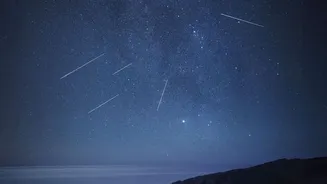
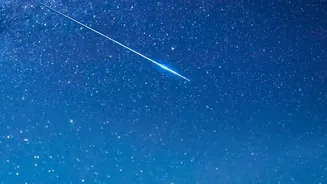
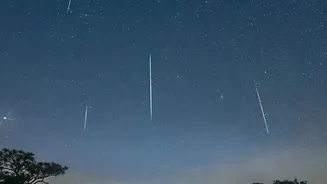
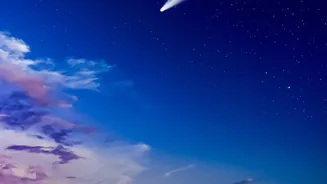
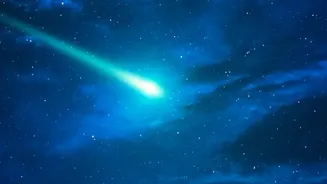
The Perseid meteor shower, debris from Comet Swift-Tuttle, is one of the best celestial events of the year. In 2026, the peak nights of August 12-13 are conveniently timed with a new moon, creating ideal dark conditions. You can expect to see up to 100
meteors per hour in a truly dark location. The best part? You don't need a telescope. The best way to watch is to lie back, let your eyes adjust for 20-30 minutes, and take in the whole sky. The main challenge in India during August is the monsoon, which can mean cloud cover. That makes high-altitude, dry regions your best bet for a clear view.
Hanle, Ladakh: India's Dark Sky Royalty
If there's one unbeatable spot, it's Hanle. Nestled in Ladakh's Changthang Wildlife Reserve, it's home to India's first official Dark Sky Reserve. At an altitude of 4,500 metres, with dry air and over 250 clear nights a year, Hanle offers some of the darkest skies in Asia. The near-zero light pollution gives it a Bortle-1 rating, the highest possible for darkness. This means the Milky Way is so bright it can cast a faint shadow. Local villagers have been trained as astronomy guides, making this a unique astro-tourism experience that supports the community. Getting there is an adventure—a long drive from Leh—so acclimatisation is crucial.
Spiti Valley, Himachal Pradesh: A High-Altitude Desert
Often called the crown jewel of Indian stargazing, Spiti Valley is a cold desert high in the Himalayas. Its altitude, minimal rain, and distance from urban centres make it a prime location for celestial events. Villages like Langza, Komic, and Kibber offer profoundly dark skies where the Milky Way is visible in stunning detail. The best time for stargazing here is generally from May to October when the roads are open and the skies are clear. Though August is monsoon season elsewhere, Spiti lies in a rain-shadow area, increasing your chances of a successful viewing. Just a short drive from main towns like Kaza can transport you to a world of pristine darkness.
Rann of Kutch, Gujarat: A Celestial Desert Dome
The vast, flat expanse of the white salt desert in Gujarat offers a unique stargazing experience. With no mountains or buildings to obstruct the view, you get a 360-degree panorama of the night sky. The region is sparsely populated, resulting in very low light pollution. During clear nights, the white salt floor can even reflect the starlight, creating a surreal feeling of being inside a celestial dome. The best season is typically winter (November to February), which aligns with the Rann Utsav festival. While August is not the traditional season, the Rann's rain-shadow properties can sometimes offer a window of clear sky away from the main monsoon belt.
Coorg, Karnataka: A Southern Starry Escape
For those in South India, the misty hills of Coorg (Kodagu) provide a surprisingly dark escape. While the main town of Madikeri has some light pollution, the southern valleys near the Brahmagiri foothills are exceptionally dark, achieving a Bortle 2 rating. This means the skies are dark enough to see the Milky Way's structure with the naked eye. Several homestays and resorts in these areas cater to stargazers, with some even offering guided sessions with telescopes. The challenge here is the monsoon, which is heavy in August. However, if a break in the clouds appears, the clear, unpolluted air of the Western Ghats offers a spectacular canvas.
Neil Island, Andaman: Stargazing by the Sea
An island getaway offers a different kind of darkness. Far from mainland light pollution, the Andaman and Nicobar Islands are an emerging destination for astro-tourism. Neil Island (Shaheed Dweep), along with Havelock Island (Swaraj Dweep), is particularly noted for its pristine night skies. The low population and lack of industrial development ensure the stars shine brightly. The experience of lying on a quiet beach, listening to the waves while watching meteors streak across the sky, is truly magical. The best viewing season is typically November to April, but a clear night during the off-season can still provide an unforgettable show.