





Thinking of getting a fringe? It's a fantastic way to refresh your look, but the secret to a great fringe lies in choosing one that works with your hair, not against it. Understanding your natural texture is the key to a style that looks effortless.
For Straight or Fine Hair
Straight
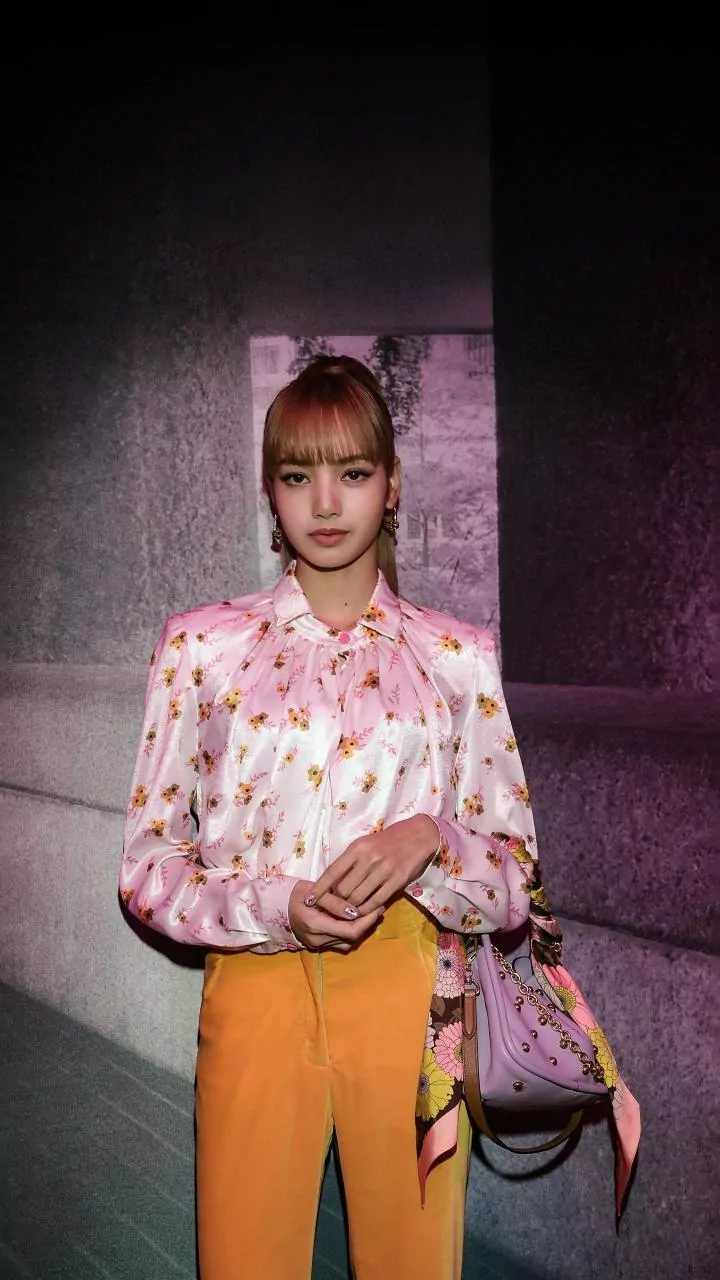
hair provides a sleek, polished canvas for a fringe, making it a versatile base for many styles. Because this texture can sometimes lack natural volume, the right cut is crucial. A classic blunt fringe, cut straight across, looks particularly sharp and bold on straight hair. It creates a strong, clean line that draws attention to the eyes. For those with finer hair, a heavy blunt fringe might remove too much density from the rest of your hair. Instead, consider wispy or 'see-through' bangs. These are delicate, feathered, and prevent the style from looking flat while adding a soft, romantic touch. Side-swept bangs are another excellent option, as they can create the illusion of fullness and are famously low-maintenance.
For Wavy Hair
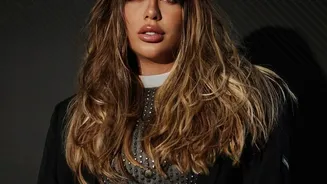
Wavy hair has natural movement and texture, making it perfect for relaxed, softer fringe styles. The most popular and forgiving choice for this texture is the curtain bang. Parted in the middle and swept to the sides, curtain bangs frame the face beautifully and blend seamlessly with your natural waves, requiring minimal styling. A textured or choppy fringe also complements wavy hair by enhancing its inherent movement. These styles are cut with uneven, point-cut ends for a lived-in, piecey finish. Stylists often recommend longer, layered fringes for wavy hair, as the length allows the wave pattern to form naturally without becoming unruly. While you can opt for a straight-across fringe with wavy hair, it often requires more daily styling to maintain the contrast.
For Curly Hair
For years, many believed a fringe and curly hair were incompatible, but that myth has been busted. A well-cut curly fringe can be stunning, adding shape and personality. The most critical rule is that curly fringes should be cut dry, curl by curl. This allows the stylist to see exactly how your curls will sit and account for 'shrinkage' — the way curls spring up as they dry. Good options include a full, brow-grazing fringe that embraces your natural texture, or softer curtain bangs that blend into your layers. A shaggy, layered fringe also works wonderfully, creating built-in volume and movement. Maintaining a curly fringe involves using lightweight curl creams or gels to define the curls without weighing them down and using a diffuser on low heat to minimise frizz.
For Coily and Tightly Curled Hair
Tightly curled and coily hair has a beautiful, defined texture that can be showcased with the right fringe. As with looser curls, the fringe must be cut dry and left longer than the desired final length to allow for spring. A stylist experienced with this hair texture will know how to shape the cut to avoid a 'pompom' effect and instead create a harmonious look. Finger-coiled bangs, where individual curls are shaped and defined, can look incredibly chic. Shorter baby bangs can also work, creating a bold, fashion-forward statement. The key is to work with the hair's natural pattern. Hydration is essential; using nourishing leave-in conditioners and curl butters will keep the fringe soft, defined, and free from frizz. Refreshing with a water mist between washes can revive the curls without a full restyle.