






From Farm Waste to Food Container
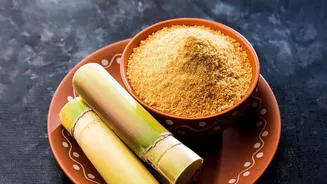
Every time you enjoy a glass of sugarcane juice, a fibrous residue called bagasse is left behind. For decades, this material was either burned for energy in sugar mills or simply discarded. Today, it is being recognized as a valuable resource. Through
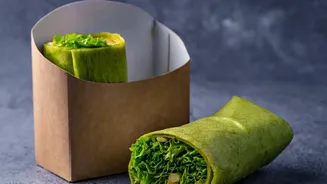
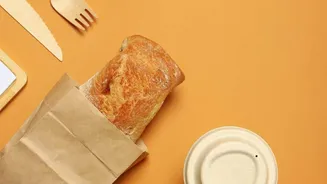
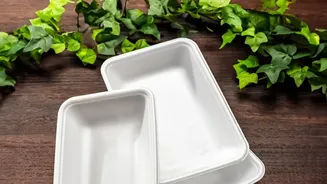
a process of pulping, pressing, and moulding, this agricultural waste is transformed into sturdy, lightweight, and food-safe packaging. This innovation turns a waste stream into a cornerstone of India's circular economy, creating everything from plates and bowls to clamshell containers perfect for our favourite curries and biryanis. As one of the world's largest sugarcane producers, India generates between 100 to 135 million tonnes of bagasse annually, offering a massive, locally sourced raw material for a greener packaging industry.
Why Bagasse Outperforms Plastic
The appeal of bagasse goes far beyond its green credentials. It is a high-performance material that often works better than its plastic counterparts. One of its key advantages is its exceptional heat resistance, capable of handling hot foods up to 93-120 degrees Celsius without warping or leaching harmful chemicals. This makes it ideal for the hot, often greasy, and gravy-based dishes common in Indian cuisine. Unlike plastic, which can cause condensation and make food soggy, bagasse containers are breathable yet strong. They are also microwave and freezer-safe, offering a level of convenience that modern consumers expect. Most importantly, while a plastic container takes centuries to break down, a bagasse product is fully biodegradable and can compost in as little as 60 to 90 days under the right conditions.
The Urban Adoption Wave
Across India's bustling cities, the switch to bagasse is gaining momentum, driven by a combination of government policy, consumer demand, and corporate responsibility. The nationwide ban on many single-use plastics has created a significant market opportunity, which startups and established companies are eagerly filling. Restaurants, cloud kitchens, and even large hotel chains in cities like Mumbai and Bengaluru are leading the charge. They're finding that using bagasse is not just good for the planet, but also for their brand, appealing to a growing base of eco-conscious customers. Food delivery giants like Zomato are also playing a crucial role by promoting restaurants that use plastic-free packaging, helping to guide consumer choice and accelerate the transition.
Challenges on the Road to Scale
Despite its immense potential, the path to making bagasse the default packaging isn't without its hurdles. One of the main challenges is scaling up the processing infrastructure. While India produces vast quantities of raw bagasse, much of it is still used for power generation within sugar mills, leaving a smaller fraction available for the packaging industry. This can create supply bottlenecks and price fluctuations for bagasse pulp. Furthermore, while the cost is becoming more competitive, it can still be slightly higher than conventional plastic, posing a challenge for small, budget-conscious food vendors. Ensuring consistent quality and meeting global certification standards are other areas that require focus as the industry matures and expands into export markets.