





The Monsoon Snack Dilemma
When the heavens open up, our hearts (and stomachs) yearn for a plate of something hot and crispy. For most of us, this means deep-fried goodness: samosas, pakoras, or bhajiyas, often accompanied by a steaming cup of chai. While undeniably delicious,
these snacks come with a cost. They are often heavy, loaded with unhealthy fats, and can leave you feeling sluggish and bloated. The monsoon season already brings a natural slowdown in our digestive system, and loading it with hard-to-digest fried foods can exacerbate issues like indigestion and acidity. Furthermore, street-side fried snacks can pose a higher risk of waterborne or foodborne illnesses during this time, making the choice even trickier.
Enter the Humble Bhutta
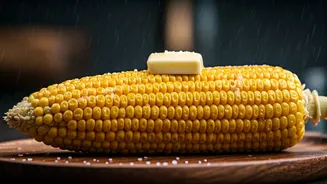
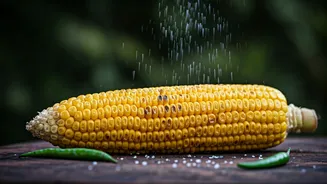
The answer to this rainy-day craving is not a new-age superfood or a complicated recipe. It’s the humble bhutta, or roasted corn on the cob. Picture this: the smoky aroma wafting from a roadside cart, the vendor fanning the coals, and finally, the steaming hot cob being rubbed generously with lemon, salt, and a tangy masala mix. It’s a multi-sensory experience that is deeply woven into the fabric of the Indian monsoon. It delivers the warmth, the savoury punch, and the satisfying feeling of a comfort food, all without the baggage of deep-frying. This simple, classic snack is not just a nostalgic treat; it’s a powerhouse of nutrition that perfectly suits the season’s demands.
More Than Just Comfort
So, what makes bhutta a healthier choice? First and foremost, it's packed with dietary fibre. A single cob of corn provides a significant portion of your daily fibre needs, which is crucial during the monsoon when digestion can be sluggish. This fibre helps keep you full for longer, preventing overeating, and aids in maintaining a healthy gut. Corn is also a source of complex carbohydrates, which provide sustained energy release, unlike the quick spike and crash you get from refined flour snacks. It contains valuable antioxidants like lutein and zeaxanthin, which are excellent for eye health, along with essential B vitamins that help in energy metabolism. It’s a whole food, minimally processed, and delivers nutrition in its most natural form.
Why It's Perfect for the Rains
The benefits of bhutta align perfectly with the health challenges of the monsoon. The damp and humid weather can often make us more susceptible to infections. Corn contains certain nutrients that support the immune system, providing a small but helpful boost. Its high fibre content not only aids digestion but also helps in flushing out toxins from the body. Because it’s roasted over a fire, the high heat helps kill off most of the surface-level germs, making it a relatively safer street food option compared to items that may use contaminated water or have been sitting out for a while. It’s a warm, gut-friendly snack that nourishes you from the inside out.
Smarter Than the Fried Alternatives
Let’s do a quick comparison. A plate of pakoras is deep-fried, meaning the vegetables soak up a large amount of oil, which often includes unhealthy saturated and trans fats, especially if the oil is reused. This adds a huge number of empty calories. In contrast, bhutta is typically roasted or grilled. This cooking method requires no oil, instantly cutting down the fat and calorie count. While the salt and masala add flavour, you are fundamentally eating a whole vegetable. This simple switch allows you to indulge your monsoon cravings without derailing your health goals. You get all the satisfaction of a warm, savoury snack without the post-snack guilt or lethargy.