






Understanding the Scale of the Challenge
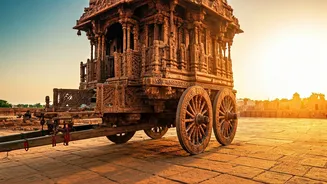
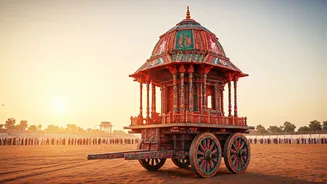
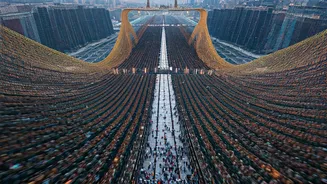
The annual Rath Yatra transforms the city of Puri into one of the largest human gatherings in the world. Lakhs of devotees converge on the Grand Road (Bada Danda) to catch a glimpse of Lord Jagannath, Lord Balabhadra, and Devi Subhadra on their magnificent
chariots. This spiritual fervour, combined with narrow streets and extensive security measures, creates an incredibly dense and challenging environment. Without forethought, visitors can find the experience exhausting or even risky. The key is to replace spontaneity with strategy, understanding that a few simple preparations can make the difference between chaos and comfort.
Before You Go: The Pre-Travel Checklist
A successful visit starts long before you arrive in Puri. Accommodation and travel tickets should be booked months in advance, as the city reaches full capacity. On the day of the Yatra, plan to arrive at your chosen viewing spot well before the procession begins, ideally in the early morning when crowds are thinner and the heat is less intense. Pack smart and light. Essentials include comfortable footwear for long hours of walking, loose-fitting cotton clothes, and a hat or scarf for sun protection. Crucially, carry a reusable water bottle and electrolyte (ORS) packets to combat dehydration, which is a common issue in the heat and humidity. Also, ensure your phone is fully charged and carry a written note of emergency contacts as mobile networks can be congested.
Getting Around: Traffic and Transport
Puri Police implements a comprehensive traffic management plan during the festival. The Grand Road and numerous connecting routes become 'no-vehicle zones'. All vehicles, from two-wheelers to tourist buses, are directed to designated parking areas on the outskirts of the city. These parking zones are often categorized based on your direction of arrival, whether from Bhubaneswar, Konark, or Brahmagiri. From these parking lots, authorities often arrange shuttle services, such as autorickshaws or buses, to ferry devotees closer to the main festival area. Familiarize yourself with these traffic advisories before you travel to avoid confusion and lengthy delays. Following the designated routes and cooperating with police is essential for a smooth entry and exit.
Navigating the Sea of People
Once you are on foot, the real challenge begins. The desire to get close to the chariots is powerful, but pushing into dense crowds can be dangerous and lead to stampede-like situations. It is safer to stay within barricaded walking lanes and avoid the most crowded zones right near the chariots, especially during peak ritual times. If you are with family or a group, establish a fixed, easily identifiable meeting point in case you get separated. For those with children or elderly members, it is wise to choose viewing spots away from the epicentre of the crowd for a more comfortable and secure experience. Police and volunteers are deployed extensively to manage crowd flow; always follow their instructions.
Health, Safety, and Staying Alert
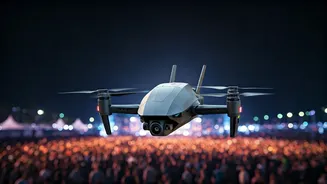
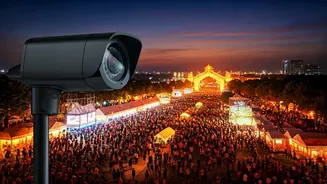
Personal well-being should be a top priority. Find shaded spots to rest periodically and avoid prolonged exposure to direct sunlight to prevent heat exhaustion. While the spiritual atmosphere is captivating, remain aware of your surroundings. Keep valuables to a minimum and secure them in a money belt or a secure bag to prevent pickpocketing. Authorities deploy a massive security contingent, including thousands of police personnel and surveillance drones, to ensure safety. Numerous first-aid stations and medical facilities are also set up. Know their locations in case of an emergency. Ultimately, a calm and alert mindset is your best tool for navigating the festival safely.