


The Best Meteor Shower of the Year: The Perseids
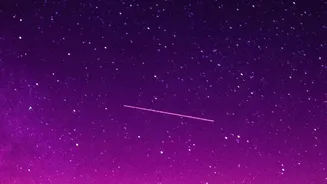
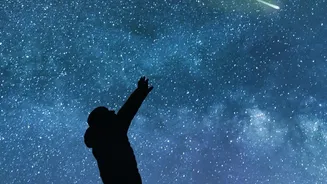
August’s headliner is the annual Perseid meteor shower, and 2026 is set to be one of the best years for viewing in recent memory. The shower peaks on the night of August 12 and into the pre-dawn hours of August 13. What makes this year so special is that
the peak coincides perfectly with the New Moon on August 12. This means the sky will be exceptionally dark, free from moonlight that would otherwise wash out the fainter meteors. The Perseids are known for being bright and fast, often leaving persistent trails as they streak across the sky. They are the dusty debris left behind by Comet Swift-Tuttle, which Earth passes through every year. Under ideal conditions, you could see up to 100 meteors per hour. For viewers in India, the best time to watch will be from midnight until just before dawn (around 2:00 AM to 4:30 AM IST) on the morning of August 13. No special equipment is needed; just find a dark spot away from city lights, lie back, and give your eyes about 30 minutes to adjust.
The Challenge of Monsoon Clouds
While the astronomical conditions are perfect, there is one major hurdle for many in India: the monsoon. August is peak rainy season across much of the country, meaning cloud cover could play spoilsport for stargazers. To increase your chances of a clear view, consider locations that are less affected by the monsoon. The high-altitude, rain-shadow regions of Ladakh and Spiti Valley in Himachal Pradesh are considered premier destinations for an unobstructed view of the Perseids. Hanle in Ladakh is home to India's first designated Dark Sky Reserve and offers some of the clearest skies in the country. Western Rajasthan, particularly near the Rann of Kutch or Jaisalmer, is another promising option that often escapes the heaviest monsoon clouds.
A Rare Planetary Parade
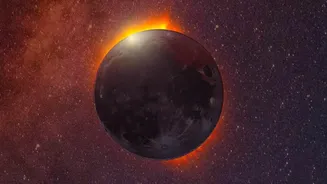
August 12 is an unusually busy day in the cosmos. In the hours before sunrise, a rare alignment of six planets will grace the morning sky. Mercury, Jupiter, Mars, Uranus, Saturn, and Neptune will all be lined up. For those with clear skies and a good view of the horizon, Mars, Saturn, Jupiter, and Mercury should be visible to the naked eye. This 'planetary parade' offers a unique opportunity to spot multiple worlds at once. While the a total solar eclipse also occurs on this day, it will not be visible from India. However, the pre-dawn planetary display is a fantastic celestial treat for early risers across the subcontinent.
The Best Nights for Stargazing
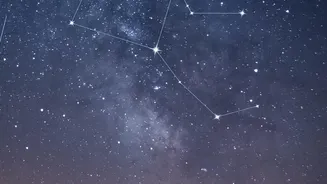
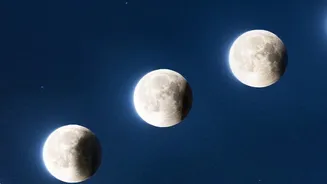
The New Moon on August 12 not only makes for a great meteor shower but also creates perfect conditions for general stargazing. Without the Moon's glow, the Milky Way will be more prominent, and fainter constellations and deep-sky objects become visible. The days surrounding the New Moon are your best bet for a dark-sky experience. As the month progresses, the Moon will wax, becoming a First Quarter Moon around August 20. This means the evenings will gradually become brighter, making the first half of August the prime window for anyone looking to explore the cosmos. A partial lunar eclipse will occur on August 28, but it will primarily be visible from the Americas, Europe, and Africa, with India outside the main viewing zone.
Spotting the Planets
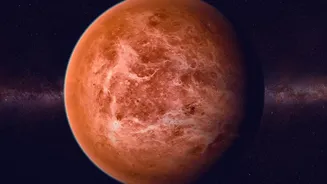
Beyond the grand parade on August 12, individual planets will also be putting on a show. Venus reaches its greatest eastern elongation around August 14-16, meaning it will be at its widest separation from the Sun in the evening sky. Look for the brilliant planet low in the western sky just after sunset; it will outshine every star. Saturn, the ringed jewel, will be visible for much of the night throughout August. While its opposition—its brightest and closest point to Earth for the year—is not until October 4, it will still be a fantastic target for those with a small telescope throughout late August.