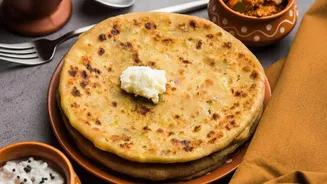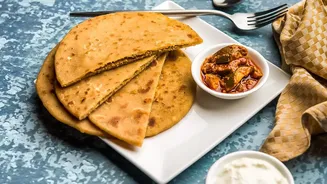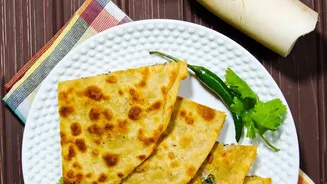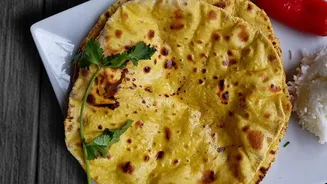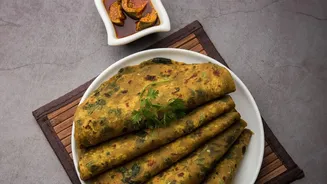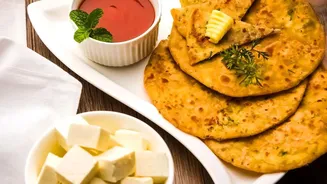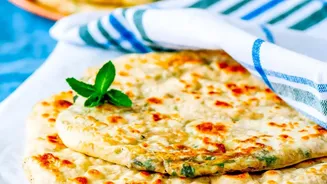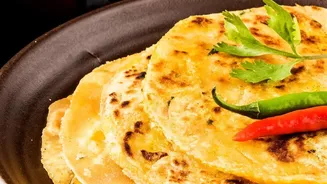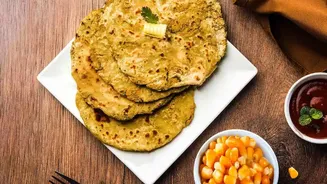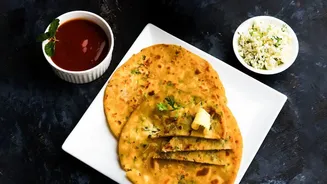


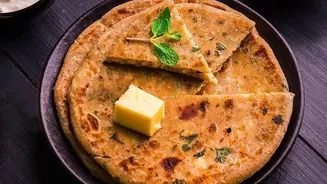
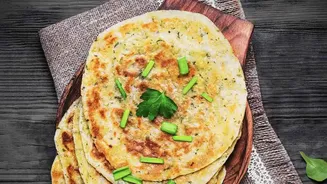
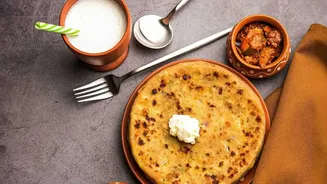
Looking for a breakfast that's both traditional and incredibly healthy? This Jowar Mooli Paratha is the answer. It combines the ancient goodness of millets with the fresh, sharp taste of radish for a wholesome, gluten-free start to your day.
Why Jowar Is a Breakfast Champion
Jowar, or
sorghum, is making a powerful comeback in Indian kitchens, and for good reason. This ancient millet is a nutritional powerhouse, making it an excellent choice for your morning meal. One of its biggest advantages is that it's naturally gluten-free, which is great for anyone with sensitivities or those simply looking to reduce their wheat intake. Jowar is packed with dietary fibre, which aids digestion, keeps you feeling full for longer, and helps prevent those mid-morning snack cravings. This high fibre content, combined with a low glycemic index, means jowar releases energy slowly, preventing the sudden sugar spikes and crashes associated with refined flours. This provides sustained energy to keep you focused throughout the morning. Furthermore, jowar is a good source of essential minerals like iron, magnesium, and phosphorus, which contribute to everything from bone health to better blood flow.
The Refreshing Power of Mooli
Mooli, or radish, is more than just a crunchy addition; it brings its own set of benefits to this paratha. It is particularly known for its digestive properties, as it contains enzymes that aid nutrient absorption and can help reduce acidity. The vegetable's natural fibre content also helps prevent constipation. In this recipe, the sharp, peppery flavour of mooli perfectly complements the earthy, slightly sweet taste of jowar, creating a balanced and flavourful flatbread. Many recipes also recommend using the radish leaves, which are rich in nutrients and add another layer of flavour and texture. To prepare the mooli, it's typically grated and salted for a few minutes. This step is crucial as it helps draw out excess water, which prevents the paratha dough from becoming too moist and difficult to handle.
Your Jowar Mooli Paratha Recipe
This recipe integrates the mooli directly into the dough, which is a common and effective technique for gluten-free flours that can be difficult to stuff. Ingredients: 2 cups Jowar (sorghum) flour 1 medium Mooli (radish), grated 1/2 cup finely chopped Mooli leaves (optional, but recommended) 2 green chillies, finely chopped 1-inch piece of ginger, grated 2 tsp Ajwain (carom seeds) Salt to taste 1 tsp Ghee or oil, plus more for cooking * Hot water, as needed Instructions: 1. Prepare the Mooli: In a bowl, mix the grated radish with a little salt and set it aside for about 10-15 minutes to release its water. Squeeze the radish firmly to remove all excess liquid. You can save this water to use for kneading the dough. 2. Make the Dough: In a large mixing bowl, combine the jowar flour, squeezed grated radish, chopped radish leaves, green chillies, grated ginger, ajwain, and salt. Add 1 teaspoon of ghee. 3. Knead: Gradually add hot water to the flour mixture and knead well to form a soft, pliable dough. Kneading with hot water helps make the dough more manageable. Jowar dough needs to be kneaded for a few extra minutes compared to wheat flour to bring it all together. The final dough should be soft, not stiff. 4. Roll the Parathas: Divide the dough into equal-sized balls. Since jowar flour lacks gluten, the parathas can be tricky to roll. A good method is to place a dough ball on a piece of parchment paper or a plastic sheet and gently pat it with your fingers to flatten it into a circle. You can also use a rolling pin very gently. The edges might crack a bit, which is normal. 5. Cook the Parathas: Heat a tawa (griddle) on medium flame. Carefully transfer the paratha onto the hot tawa. Cook for a minute or so until you see small bubbles. Flip it over, apply some ghee or oil, and cook the other side. Press gently with a spatula to ensure it cooks evenly. Cook until both sides have golden-brown spots. Serve hot.
Tips for Perfect, Soft Parathas
Working with gluten-free flour like jowar requires a few specific techniques. Using hot water to knead the dough is a critical step, as it helps to create a softer, more elastic texture that is easier to handle. Don't be discouraged if the dough feels a bit sticky or crumbly at first; continue kneading for a few minutes until it comes together smoothly. If you want perfectly round parathas, you can use a sharp-edged bowl or a cookie cutter to trim the rolled-out dough into a neat circle. When cooking, maintain a medium flame. A flame that is too high will cook the outside too quickly, leaving the inside raw, while a low flame can make the paratha hard. Patting the dough by hand on a greased plastic sheet or parchment paper is often easier than rolling for beginners.