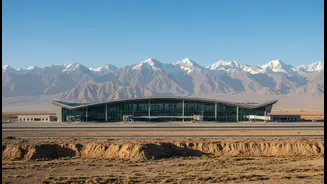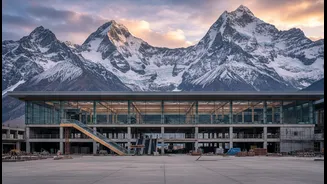




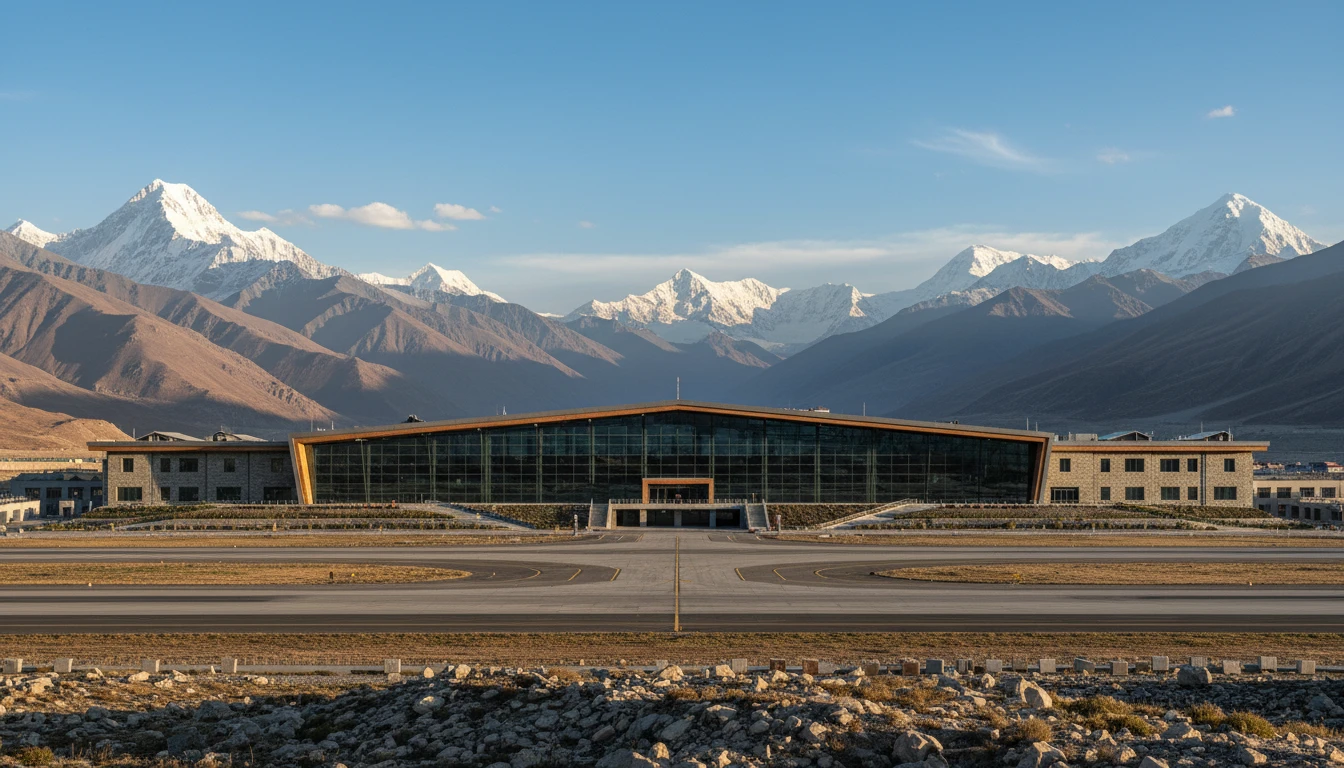




A Major Upgrade for the Gateway to Ladakh
The main airport serving Ladakh is undergoing a transformation. A new, state-of-the-art integrated terminal building is nearing completion, a project designed to tackle the region's growing tourism demands. Recent updates from the Civil Aviation Ministry
confirm that the project is 83% physically complete as of early July 2026. The new terminal is a significant step up from the existing facility, designed to handle up to 3.5 million passengers annually. This is a dramatic increase from the previous capacity, which was struggling to manage the influx of travellers, especially during peak seasons. The expansion is a cornerstone of a wider initiative to modernise aviation infrastructure in strategically important and tourist-heavy regions.
Solving the High-Altitude Bottleneck
Travellers familiar with Leh will know the challenges of flying into one of the world's highest commercial airports. The old terminal, though functional, often faced congestion, long queues, and operational limits dictated by weather. The new infrastructure directly addresses these problems. Once fully operational, the airport's capacity is expected to triple, handling up to 54 flights a day compared to the current 18. This increase aims to resolve the bottleneck that has long defined air travel to Ladakh, offering airlines more scheduling flexibility and reducing the frantic scramble for seats. The project includes not just a larger building but also additional aircraft bays and aerobridges, which will streamline the process of boarding and deplaning—a welcome improvement at an altitude where physical exertion can be taxing.
What This Means for Your Travel Plans
For anyone planning a future trip, this expansion translates into tangible benefits. The most significant will be the increased availability of flights from major hubs like Delhi and Mumbai. With airlines able to operate more services, travellers can expect more choice and potentially more competitive airfares, which have historically been high due to limited supply. The increased daily flight capacity is expected to significantly reduce travel bottlenecks, especially during the peak tourist season. This improved connectivity not only makes planning a holiday easier but also boosts the reliability of travel to a region where weather can be unpredictable. The project is seen as a key step in boosting tourist footfall and supporting the local economy, which is heavily reliant on tourism.
An Enhanced and Greener Welcome
The new terminal isn't just bigger; it's designed to be a better and more comfortable experience. It will feature modern amenities including 20 check-in counters, an advanced baggage handling system, escalators, and lifts. A key highlight is its sustainable design. The terminal will be India's first to be powered by a combination of geothermal and solar energy. A geothermal system will provide heating in the harsh winter months, a significant innovation for a large-scale building in such a cold climate. This focus on green technology ensures that the gateway to this ecologically fragile region leads by example. For passengers, this means a comfortable, modern facility that makes the crucial process of acclimatisation smoother upon arrival.