



The Unexpected Danger: How Heatstroke Happens at Home
It’s a common misconception that being indoors automatically protects pets from overheating. However, heatstroke can occur inside any home that lacks proper cooling and ventilation. Rooms that get direct sunlight, like conservatories or sun-facing living
rooms, can turn into ovens. High humidity makes it harder for animals to cool themselves down, as their primary method, panting, becomes less effective. A stuffy, non-air-conditioned house can become a serious hazard, especially during peak afternoon temperatures. Pets don't sweat like humans; they rely on panting and releasing heat through their paw pads to regulate their body temperature. When the surrounding air is too warm and humid, these mechanisms fail, and their core temperature can rise to life-threatening levels.
Verify These Signs: More Than Just Heavy Panting
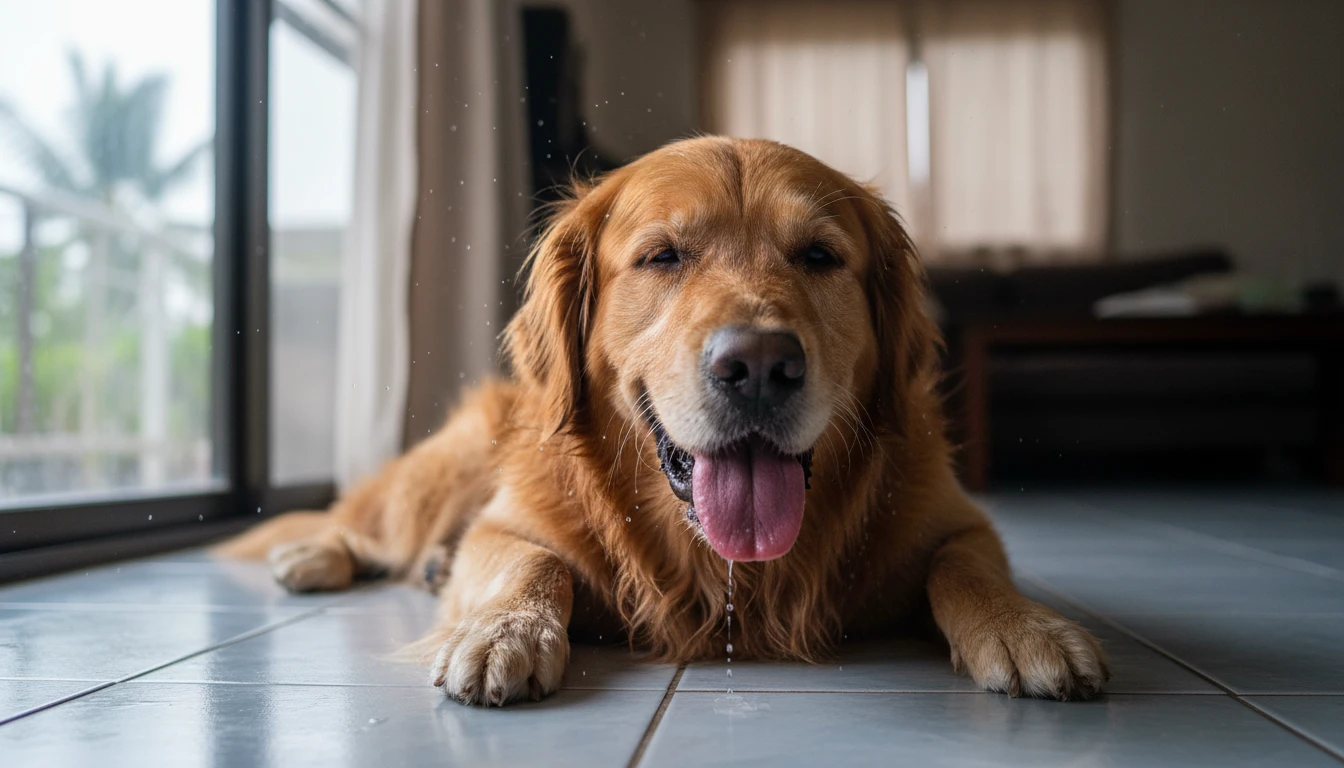
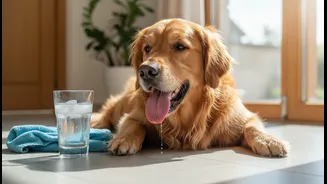
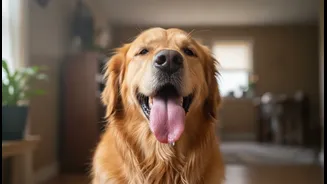
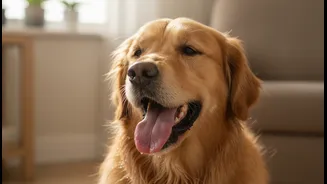
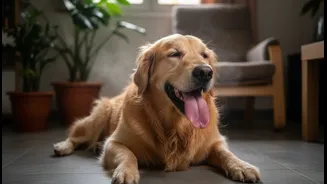
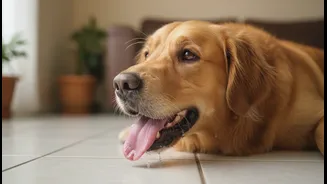
Knowing the early signs of heatstroke is critical for a quick response. While heavy panting is a key indicator, other, more serious symptoms signal a medical emergency. Early signs include excessive drooling (which may be thick and sticky), restlessness, and bright red gums and tongue. As the condition worsens, you might notice confusion or disorientation, weakness, and an inability to stand. More severe and life-threatening symptoms include vomiting or diarrhoea (sometimes with blood), seizures, and eventual collapse. Cats may show more subtle signs at first, such as open-mouth breathing, agitation, or excessive grooming as they try to cool down.
High-Risk Pets: Who Needs Extra Protection?
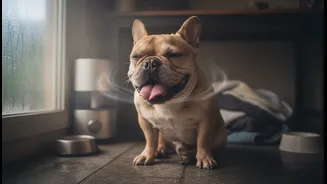
While any pet can suffer from heatstroke, some are significantly more vulnerable. Brachycephalic (flat-faced) breeds like Pugs, Bulldogs, French Bulldogs, and Persian cats are at a much higher risk. Their shortened airways make it difficult for them to pant effectively, which is their main cooling mechanism. Studies have shown these breeds are many times more likely to suffer from heatstroke. Other high-risk groups include elderly pets and very young puppies or kittens, whose bodies can't regulate temperature efficiently. Overweight pets and those with pre-existing heart or respiratory conditions also face an increased danger from heat.
Your Home Safety Checklist
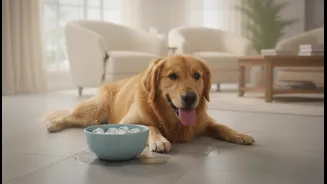
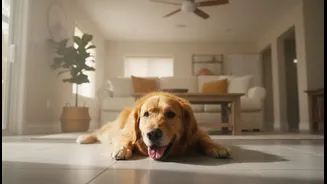
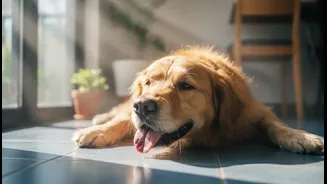
Take a moment to verify that your home is a safe haven from the heat. Ensure there is good air circulation from fans or an air conditioner, especially in rooms where your pet spends the most time. Keep curtains or blinds closed during the hottest parts of the day to block direct sunlight. Make sure your pet has constant access to fresh, cool water; adding a few ice cubes to their bowl can help. Provide access to cool flooring like tile or linoleum, as many pets will seek these surfaces out naturally. Cooling mats can also provide relief. Never leave a pet in a room that gets excessively hot, and ensure they have a way to move to a cooler part of the house.
Emergency Action: What to Do Immediately
If you suspect your pet is suffering from heatstroke, you must act immediately. First, move your pet to a cooler, shaded, or air-conditioned area. The primary goal is to begin cooling them down, but it's crucial to do so gradually to avoid shock. Use cool—not ice-cold—water. You can spray them with water or place cool, wet towels on their body, focusing on the neck, belly, armpits, and paws. Point a fan at them to aid evaporative cooling. Offer small amounts of cool water if they are conscious and able to drink, but do not force them. Most importantly, call your veterinarian immediately. Even if your pet seems to recover, they need to be checked, as heatstroke can cause internal damage that isn't immediately obvious.