






Debunking the 'Fresh is Best' Myth
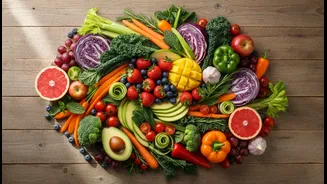
While a freshly picked vegetable from the garden is at its nutritional peak, most “fresh” produce in grocery stores isn't as new as it seems. These items often travel long distances and can sit in storage or on shelves for days or even weeks. During this
time, they gradually lose nutrients, particularly light- and heat-sensitive vitamins like vitamin C. This means the fresh broccoli you buy might have fewer nutrients than its frozen counterpart. The idea isn't to abandon fresh foods—their flavour and texture are often unparalleled—but to understand that frozen and canned options are not automatically inferior.
The Frozen Advantage
Frozen fruits and vegetables are typically picked at their peak ripeness and flash-frozen within hours. This process acts like a nutritional pause button, locking in vitamins and minerals. Studies have shown that frozen produce can be just as nutritious, and sometimes even more so, than fresh varieties that have been stored for a few days. For example, frozen peas and broccoli have been found to retain their vitamin C levels better than fresh ones that have been refrigerated. They also offer incredible convenience—pre-washed and pre-chopped—which can be a huge time-saver for busy households. Plus, you can use exactly what you need and put the rest back in the freezer, significantly reducing food waste.
Making Smart Canned Choices
Canned foods have the longest shelf life and are often the most budget-friendly option, making healthy eating more accessible. The canning process preserves most of a food's protein, carbs, fats, and minerals. In some cases, the heating process can even make nutrients more available, such as lycopene in tomatoes. However, there are things to watch for. Some water-soluble vitamins, like B and C, can be reduced during the high-heat process. Canned goods can also be high in sodium, and fruits may be packed in sugary syrups. The key is to read the labels. Choose vegetables with “no salt added” or “low sodium,” and select fruits packed in their own juice or water. A simple rinse under water can wash away a significant amount of sodium from canned beans and vegetables.
How to Build a Balanced Meal
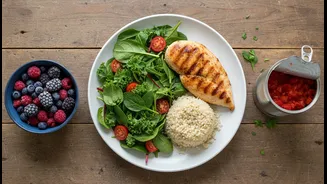
The real magic happens when you combine all three types of ingredients to create a nutritious, affordable, and delicious meal. A balanced plate should ideally contain a source of protein, vegetables, and a healthy carbohydrate. Using a mix of fresh, frozen, and canned foods makes this formula easy and practical. Think about texture, flavour, and prep time. Fresh ingredients might form the flavourful base, while frozen and canned items can add bulk, nutrition, and convenience. This approach ensures you get a wide variety of nutrients year-round, not just when certain produce is in season.
Putting It All Together: Meal Ideas
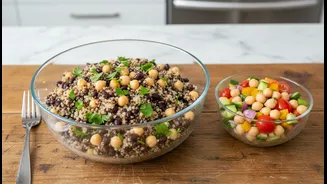
Combining these ingredients is simpler than you think. For a quick weeknight curry, you can use fresh onions, garlic, and ginger as your aromatic base. Add canned chickpeas and diced tomatoes for protein and body, then stir in a few handfuls of frozen spinach or peas near the end for a boost of green vegetables. Another great example is a hearty pasta dish. Start with a jarred pasta sauce (a type of canned good), and enrich it with frozen ground meat or a can of lentils. Sauté some fresh mushrooms or bell peppers to add texture and serve it over whole-grain pasta. You can even make a quick stir-fry using frozen shrimp and a mix of frozen vegetables, combined with canned pineapple for a sweet and sour flavour.