







Monsoon Trough Gains Strength
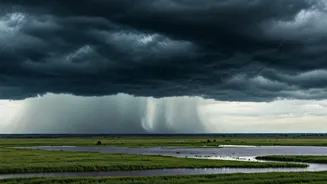
After a somewhat delayed and uneven start in June, the monsoon is now gaining significant momentum. According to the IMD, conditions are favourable for the monsoon to push further into the remaining parts of Central India over the next few days. The Northern
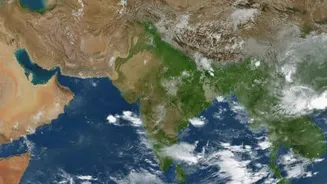
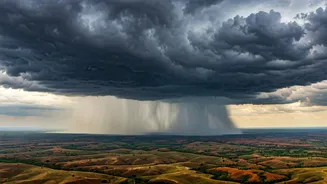
Limit of Monsoon (NLM) currently passes through key central locations like Indore and Mandla, acting as the leading edge of the rainy season. This advance is driven by strengthening weather systems, including a monsoon trough at mean sea level, which is essentially an elongated area of low pressure that fuels rainfall. This trough, combined with moisture-laden winds from the Bay of Bengal and the Arabian Sea, is creating the perfect recipe for sustained and heavy showers.
Which States Are on High Alert?
The IMD has issued specific warnings for several states across the central belt. Widespread rainfall is expected over Madhya Pradesh, Chhattisgarh, and the Vidarbha region of Maharashtra from June 28th through the first few days of July. In particular, forecasts indicate the likelihood of isolated heavy to very heavy rainfall in East and West Madhya Pradesh, Vidarbha, and Chhattisgarh. For instance, fairly widespread to widespread rainfall is predicted for Madhya Pradesh from July 1st to 4th, and for Chhattisgarh and Vidarbha from June 28th to July 4th. These areas should also brace for thunderstorms, lightning, and gusty winds with speeds that could reach 40-50 kmph.
A Welcome Sight for Farmers
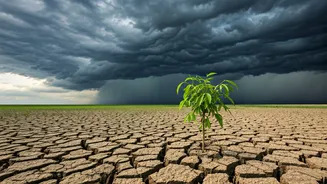
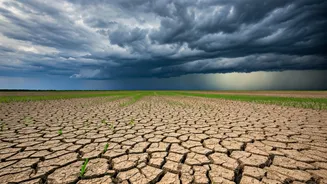
This monsoon revival is critical for the agricultural sector, especially for the sowing of Kharif (summer) crops, which are heavily dependent on monsoon rains. After a dry spell that caused concern, the impending downpours are a welcome relief for farmers across the region. The rainfall will help replenish soil moisture, crucial for crops like soybean, cotton, and pulses that dominate agriculture in states like Madhya Pradesh and Maharashtra. The IMD has advised farmers in regions expecting heavy rainfall to make arrangements to drain excess water from fields to prevent crop damage, highlighting the delicate balance between beneficial and excessive precipitation.
Potential Disruptions and Safety Measures
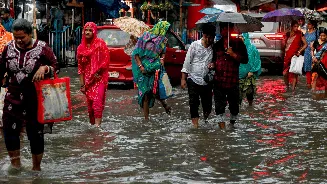
While essential for agriculture, intense rainfall poses significant challenges, particularly in urban and low-lying areas. Heavy downpours can lead to waterlogging on streets, causing traffic congestion and disrupting daily life. There is also a risk of localized flooding and reduced visibility on highways. In light of the forecast, it is crucial for residents to take precautions. The IMD advises people to check for traffic updates before travelling, avoid areas prone to waterlogging, and ensure that drains around their homes are not clogged. It's also wise to stay away from unsecured structures and trees during thunderstorms and gusty winds. Citizens should follow official updates from the IMD and local civic bodies to stay informed about the evolving weather situation.