





Why Monsoon Travel is a Different Ball Game
A summer escape is predictable: sun, heat, and clear roads. Monsoon travel, while rewarding with its breathtaking landscapes, introduces variables like sudden downpours, high humidity, and potential travel disruptions. Unlike dry seasons, the monsoon
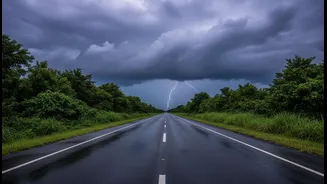
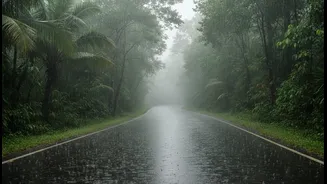
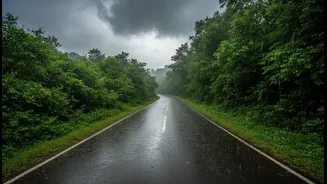
(June to September) can bring challenges like waterlogged streets, landslides in hilly areas, and delayed transport. Roads become slippery, increasing braking distances for vehicles, and visibility can drop dramatically in an instant. This doesn’t mean you should cancel your plans, but it does mean shifting your mindset from a casual holiday to a well-prepared expedition.
Strategic Destination and Route Planning
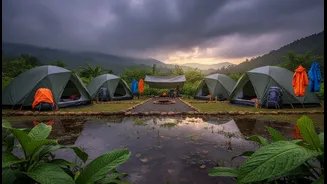
While the allure of festivals like Ganesh Chaturthi in Maharashtra or Onam in Kerala is strong, choosing your destination wisely is key. Some regions are more prone to extreme weather; the Northeast belt receives heavy rainfall, and hilly regions in the north can be susceptible to landslides. Before booking, check the long-range weather forecast for your chosen location. Plan your route with buffers, as delays are common. It's advisable to avoid night driving and stick to paved, well-known roads rather than taking adventurous shortcuts that could become mucky traps. Having alternative plans and booking accommodation near transport hubs can also save a lot of stress.
The Art of Monsoon Packing
Your packing list for a monsoon trip is fundamentally different. Ditch the heavy jeans and cottons, which absorb moisture and take ages to dry in high humidity. Instead, opt for lightweight, quick-drying synthetic fabrics. A sturdy, windproof umbrella and a reliable raincoat or poncho are non-negotiable. Footwear is critical: pack waterproof sandals or floaters with good grip for navigating wet streets and an extra pair that can dry out. To protect your valuables, waterproof bags for electronics and important documents like your Aadhaar card and tickets are essential. Also, toss in an antifungal powder and insect repellent, as humidity can cause skin issues and increase mosquito activity.
Vehicle Prep and Road Safety
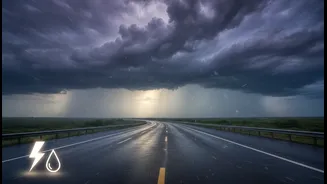
If you are driving, a pre-monsoon vehicle check is crucial. Ensure your tyres have adequate tread (at least 2-3 mm) and are properly inflated. Brakes must be in top condition, as wet roads significantly reduce their effectiveness. Functional wiper blades are your first line of defence against heavy rain, so replace them if they are worn. On the road, slow down, maintaining at least double the usual distance from the vehicle ahead. Use low-beam headlights for visibility, even during the day, and avoid sudden braking or steering. Never attempt to drive through flooded streets, as the water can hide deep potholes or cause your vehicle to stall.
Health, Hygiene, and Staying Powered
The monsoon is a time when water-borne infections can rise. It's best to avoid street food if you're unsure of the hygiene and stick to bottled or filtered water. Carry a basic first-aid kit with essentials for fever, coughs, and stomach upsets, along with antiseptic wipes and bandages. High humidity can also be draining, so packing electrolyte sachets is a smart move. Power cuts can be more frequent during the rains, so a fully charged power bank is a lifesaver for keeping your phone and offline maps accessible, especially if you get stuck in a traffic jam.