


The Real Value: Understanding Cost Per Wear
The most powerful tool for a savvy shopper is the 'cost per wear' calculation. It’s a simple formula: divide an item's price by the number of times you expect to wear it. A ₹2,000 shirt worn twice has a cost per wear of ₹1,000. But a high-quality ₹10,000
coat worn 100 times over several years has a cost per wear of just ₹100. This mindset shifts the focus from the initial price tag to the long-term investment. A cheaper garment that falls apart after a few washes is ultimately more expensive than a well-made piece that endures for years. By prioritising quality, you reduce the need for constant replacements, saving money and time.
Fabric Fundamentals: Choosing Materials That Last
The lifespan of a garment starts with its fabric. Natural fibers are often praised for their durability and comfort. Dense wool is excellent for coats and tailoring, while linen, made from the strong flax plant, actually softens and improves with age. Cotton's durability depends heavily on its construction; a tightly woven twill or canvas will far outlast a thin, flimsy jersey. High-quality synthetic fibers like polyester and polyamide (nylon) are also known for their strength and resistance to abrasion, making them common in performance wear. When shopping, always check the content label. Feel the material—it should feel substantial, not rough or thin. A simple test is to hold it up to the light; unless it's meant to be sheer, a dense weave that blocks light is a good sign.
Signs of Quality: Look Beyond the Label
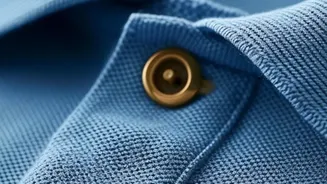
Craftsmanship is what separates a disposable item from a wardrobe staple. Before you buy, become a detective and inspect the details. Look closely at the stitching; it should be tight, dense, and even, with no loose threads. Gently pull at a seam—if you can see daylight between the stitches, the garment may not last. In high-quality pieces, patterns will align at the seams, a detail often skipped in faster production. Check the hardware; zippers should be sturdy, preferably metal, and glide smoothly. Buttons should be sewn on securely, and the internal architecture, like finished seams (such as French seams which enclose raw edges), indicates a garment built for longevity.
Timeless Style Over Fleeting Trends
The most durable garment is one you'll actually want to wear for years. This is where timeless style eclipses passing trends. Fast fashion thrives on rapid cycles, producing clothes designed to be worn just a handful of times before being discarded. In contrast, a timeless wardrobe is built on versatile, classic pieces. Think of a well-fitted blazer, a classic white shirt, a simple black dress, or a great pair of jeans. These items can be styled in numerous ways and remain relevant season after season. Focusing on fit, classic silhouettes, and neutral colours creates a foundation that you can personalise with accessories. This approach not only reduces waste but also cultivates a strong sense of personal style that isn’t dictated by the latest fad.