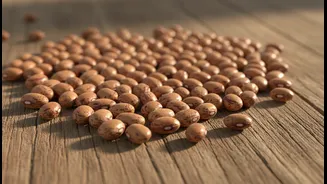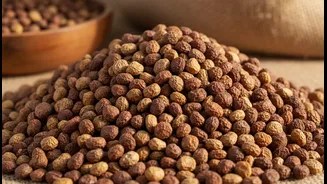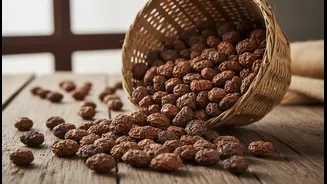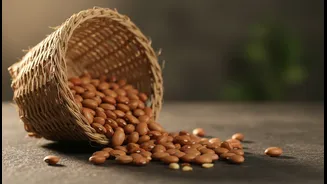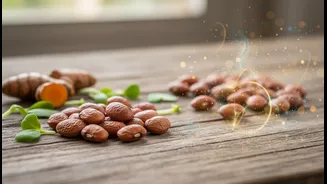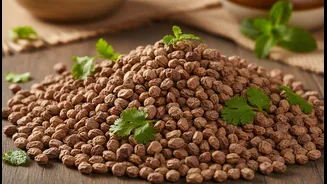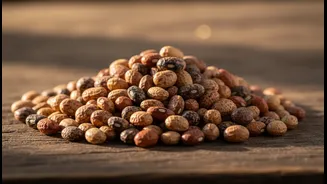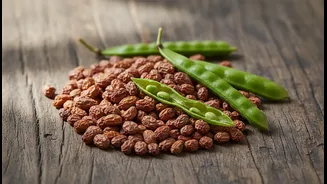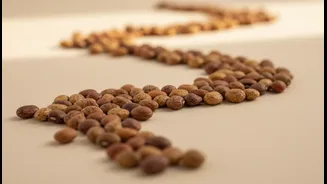



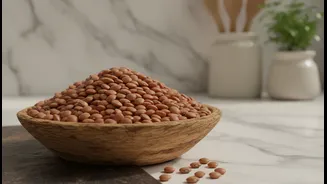
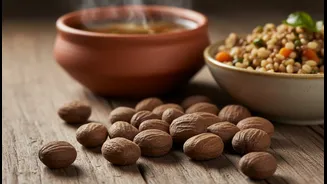
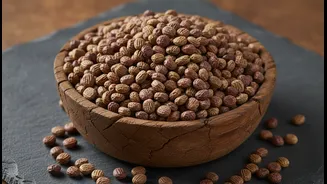


What is Horse Gram?
Horse gram, known as kulthi dal in Hindi, hurali in Kannada, and kollu in Tamil, is a small, hardy lentil that has been a staple in South Asian diets for thousands of years. Archaeological evidence shows its consumption in India dates back to 2000 BC.
Traditionally, it was valued not just as food but also as fodder for cattle and horses, which is where it gets its English name. Historically considered a food for rural communities due to its ability to grow in harsh, dry conditions with minimal care, it is now being recognised for its incredible resilience and nutritional value. This climate-resilient crop enriches the soil it grows in, making it a sustainable choice for farmers.
A Nutritional Powerhouse
Don't let its humble origins fool you; horse gram is one of the most protein-rich lentils available. It boasts an impressive nutritional profile, containing high levels of protein, dietary fibre, calcium, and iron. In fact, among pulses, it has the highest calcium content and is one of the richest vegetarian sources of protein. Beyond these macronutrients, it is packed with antioxidants like polyphenols and flavonoids, which help the body fight oxidative damage. In Ayurveda, horse gram is considered a 'heating' food, traditionally used to treat ailments like the common cold, kidney stones, and asthma. Its warming nature makes it a popular ingredient during winter months.
Why the Modern Comeback?
Several factors are driving horse gram's resurgence. There's a growing wellness trend that favours returning to traditional, indigenous superfoods over exotic, imported ones. As more people seek plant-based sources of protein, horse gram stands out as an excellent, affordable option. Its low-fat, high-fibre content also makes it popular for weight management and for those managing blood sugar levels, as it helps slow carbohydrate digestion. Furthermore, its reputation as a climate-smart crop that thrives in difficult conditions makes it a food of the future.
How to Prepare Horse Gram
Cooking with horse gram requires a bit of planning, as the lentils are quite tough. The most crucial step is soaking. For most recipes, you'll need to soak the horse gram overnight, or for at least 8-10 hours, in ample water. Some recipes even call for a 24-hour soak. This step is essential for making the lentils digestible and reducing cooking time. After soaking, drain the water and pressure-cook the lentils until they are soft and easily mashable, which can take anywhere from 20 to 40 minutes under pressure. You can also sprout them by soaking them overnight and then wrapping them in a cloth for a day or two. Sprouted seeds have enhanced nutritional value.
Simple Soups and Hearty Bowls
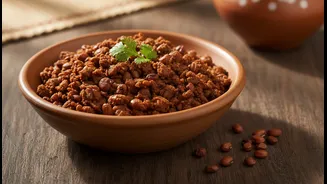
One of the easiest ways to enjoy horse gram is in a soup. A classic South Indian kollu rasam is both a comforting remedy for colds and a delicious, tangy soup to have with rice. To make a simple soup, pressure cook soaked horse gram with tomatoes, garlic, and spices, then blend the mixture until smooth and temper it with ghee, mustard seeds, and curry leaves. For a modern, hearty meal, use cooked horse gram as the base for a grain bowl. Combine it with steamed vegetables, fresh greens, and a light dressing for a filling and protein-packed lunch.
Everyday Staples, Reimagined
Horse gram can be easily integrated into your daily meals. You can make a classic dal, similar to rajma masala, by cooking the lentils in an onion-tomato gravy. The nutty flavour of horse gram pairs beautifully with traditional Indian spices. Another option is to grind dry-roasted horse gram into a coarse powder (podi), which can be mixed with rice and ghee or sprinkled over idlis and dosas. You can even add horse gram flour or soaked, ground lentils to your dosa, idli, or paratha dough to sneak in extra protein and fibre.