


Beyond the Universal Curry
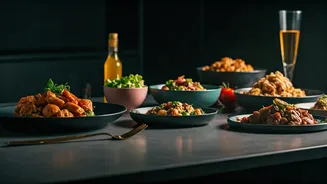
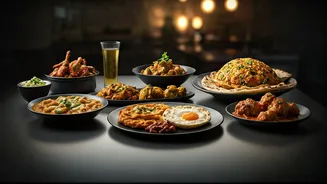
For decades, the Indian restaurant experience outside of India was defined by a handful of North Indian, Mughlai-style dishes like tikka masala and korma. [7, 8] These dishes, while delicious, relied on a somewhat standardised, creamy, and mildly spiced
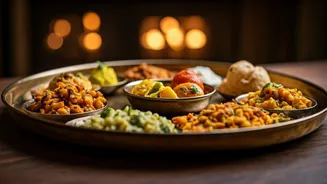
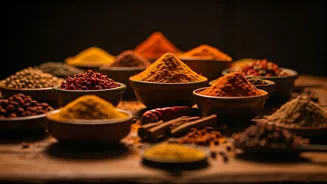
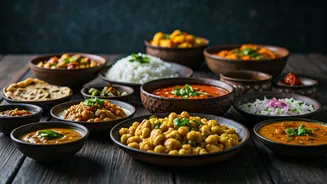
flavour profile, often using a generic 'garam masala' or 'curry powder'. [7, 8, 14] But Indian cuisine is not a monolith; it's a vast collection of hyper-regional traditions, each with a unique culinary fingerprint. [12, 23, 24] The most significant factor in this diversity is the 'masala' or spice blend. [17] A new trend, both in India and abroad, sees chefs and diners moving past the generic to celebrate the distinct identities of these regional masalas. [10, 18]
The New Stars of the Spice Rack
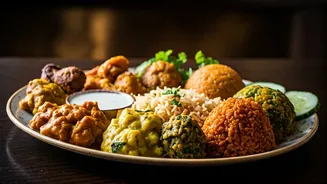
Several specific masalas are becoming recognisable names. Maharashtrian Goda Masala, for instance, offers a subtly sweet and aromatic profile, thanks to ingredients like roasted coconut, sesame seeds, and the unique 'dagad phool' (stone flower). [3, 6, 16] It brings a comforting, earthy depth to lentil and vegetable dishes, different from the sharper heat of other blends. [3, 9, 21]
From the East Indian community of Mumbai comes Bottle Masala, a complex blend of over 20-30 spices that are sun-dried, roasted, and pounded. [4, 11, 19] Traditionally stored in sterilised beer bottles, its recipe is a guarded family secret, used to flavour everything from pork vindaloo to vegetable stews. [4, 19, 22]
Then there's the Potli Masala, famous in Hyderabadi and Awadhi cuisine. [2] This is not a powder but a collection of whole, aromatic spices (sometimes over 30) tied in a muslin pouch ('potli') and simmered in slow-cooked dishes like nihari and haleem, infusing the broth with a subtle, complex fragrance before being removed. [2, 30]
Chefs as Culinary Custodians
This shift is being driven by chefs who are acting as culinary historians and innovators. They are delving into their heritage, unearthing forgotten family recipes, and documenting spice blends that were once confined to home kitchens. By placing these masalas at the heart of their menu descriptions, they are educating diners and giving credit to the specific communities and traditions behind the flavours. [17, 18] This isn't just about new tastes; it's about storytelling. A dish featuring Chettinad masala from Tamil Nadu, known for its fiery blend of black pepper and roasted spices, or a Bafat masala from Mangalore, with its Portuguese-influenced boldness, tells a story of a specific place, climate, and culture. [12]
A Craving for Authenticity
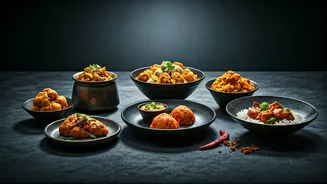
So, why is this happening now? The trend reflects a maturing palate among diners. [5] As people become more exposed to diverse global cuisines, their curiosity deepens. They are no longer satisfied with approximations and are actively seeking authentic, specific, and story-driven food experiences. [5, 10] For the Indian diaspora, it's a way to connect with their roots on a deeper, more specific level. For others, it's an exciting journey of discovery. Recent data shows a decline in interest for once-standard dishes like chicken tikka masala, while more specific regional dishes are surging in popularity. [5] This move towards hyper-regionalism is a natural evolution, proving that the consumer has 'graduated' to a more sophisticated understanding of Indian food. [5, 18]