






India's e-commerce boom has strained traditional logistics networks. Now, companies are looking beyond the metros, turning to Tier-3 cities not just for new customers, but for a solution to complex and costly supply chain problems.
The Metro-City Bottleneck
For decades, India's
logistics infrastructure was concentrated around major metropolitan hubs like Mumbai, Delhi, and Bengaluru. This model made sense when economic activity and consumption were highly centralised. However, this concentration has now become a major roadblock. Metro cities are grappling with saturated markets, sky-high real estate prices, traffic congestion, and a competitive, expensive labour market. These factors drive up operational costs and reduce efficiency, making it difficult for companies to deliver goods quickly and reliably. The traditional hub-and-spoke model, which relies on a few large warehouses, can no longer keep pace with customer expectations for rapid delivery, especially as demand surges from every corner of the country.
The Strategic Shift to Tier-3 Cities
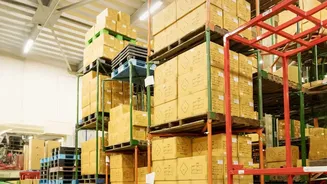
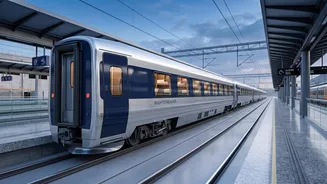
In response to these challenges, a strategic migration is underway. Logistics and e-commerce giants are now investing heavily in building a decentralised network of fulfilment centres, sorting hubs, and delivery stations in Tier-2 and Tier-3 cities like Indore, Coimbatore, Nagpur, and Lucknow. This move is driven by a compelling business case. These smaller cities offer significant cost advantages, with warehousing and operational costs being 25-40% lower than in metros. They also provide access to a large, untapped pool of educated local talent at competitive wages, addressing widespread labour issues. Furthermore, government initiatives to improve national highways, freight corridors, and digital connectivity have made these locations more accessible and viable than ever before.
More Than Just Delivery Jobs
The expansion into non-metro areas is creating a diverse range of employment opportunities, moving far beyond just delivery and warehouse roles. Each new large-format warehouse can create hundreds of direct and indirect jobs. While positions for delivery executives and warehouse workers are in high demand, companies are also hiring for roles in technology, data analytics, operations management, procurement, and customer service. This influx of jobs provides local talent with meaningful career opportunities close to home, stemming the tide of migration to overburdened metro cities. The growth of these logistics ecosystems is also stimulating local economies, boosting small and medium-sized enterprises (MSMEs) that support the supply chain.
Fixing the Last-Mile Puzzle
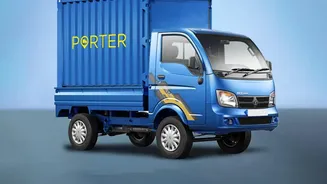
One of the most significant impacts of this expansion is the resolution of the 'last-mile' delivery gap—the final and most expensive step in getting a package to the customer's doorstep. By placing inventory closer to the end consumer in Tier-3 cities, companies can drastically reduce delivery times and improve reliability. This decentralized network allows for faster movement of goods, bypassing congested urban centres and connecting regional markets more efficiently. With 70%–80% of new e%commerce customers now coming from non%metro areas, having local fulfilment hubs is no longer a choice but a necessity for tapping into India’s next wave of consumption. This shift is reshaping supply chains to be more resilient, agile, and responsive to a geographically dispersed customer base.