


The Unseen Reaction in Your Fridge
Aluminum foil has been a trusted kitchen ally for decades, perfect for wrapping sandwiches or covering a casserole. However, not all foods interact with it in the same way. When you store highly acidic or salty foods in direct contact with foil, a subtle
chemical reaction begins. Ingredients like tomatoes, citrus juices (lemon and lime), and vinegar can cause the foil to degrade and break down over time. This reaction can not only leave a metallic taste on your food but also cause tiny, visible holes to form in the foil as the metal literally dissolves into your meal.
How Aluminum Leaches into Food
Aluminum is a reactive metal. Normally, it is protected by a thin, tough layer of aluminum oxide that forms instantly when exposed to air, preventing it from reacting with most substances. However, strong acids and salts can dissolve this protective layer. Once that shield is gone, the acid reacts directly with the aluminum underneath, creating aluminum salts that can mix with your food. Several factors accelerate this process, known as leaching. Higher temperatures, prolonged contact time, and the presence of salt all increase the amount of aluminum that can transfer from the foil to your food. This means wrapping a hot, tomato-based pasta dish in foil and storing it for several days creates the ideal conditions for leaching to occur.
Are There Health Concerns?
Aluminum is the most abundant metal on Earth and is naturally present in our water and many foods. Our bodies are equipped to handle small amounts, and healthy kidneys are very efficient at filtering and excreting it. Food safety agencies generally consider aluminum foil safe for contact with food. However, studies have confirmed that cooking or storing acidic foods in foil can increase the aluminum content of a meal. While the occasional use is unlikely to be a problem for a healthy person, excessive, long-term exposure has been studied for potential links to health issues, particularly for individuals with kidney disease whose bodies cannot easily remove excess aluminum. Experts suggest it is wise to minimize unnecessary exposure as a precaution.
Smarter, Safer Storage Solutions
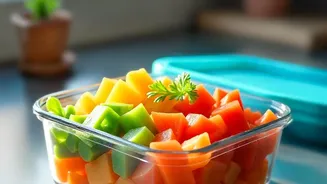
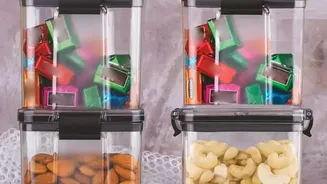
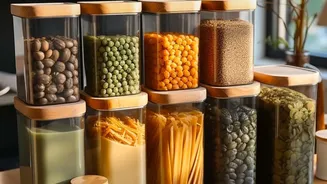
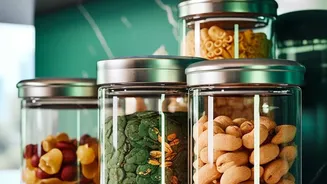
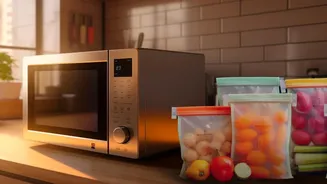
The good news is that avoiding direct contact is easy. The key is to create a barrier or use a non-reactive container. For short-term storage or covering a bowl, foil is still fine, especially if it is not touching the food. But for storing acidic leftovers like pasta sauce, citrus-based marinades, or pickles, it's best to switch to glass, stainless steel, or ceramic containers. These materials are inert, meaning they do not react with acids, and will not leach anything into your food. Airtight glass containers are an excellent choice as they keep food fresh, can often go from the fridge to the microwave, and allow you to see what's inside. If you must use foil for cooking or grilling acidic foods, you can place a layer of parchment paper between the food and the foil to prevent direct contact.
Best Practices for All Leftovers
Beyond the material you use, general food safety practices are crucial for all leftovers. To prevent bacteria from growing, leftovers should be refrigerated within two hours of cooking, or one hour if the ambient temperature is high. Storing food in shallow, airtight containers helps it cool down faster and more evenly, which is safer than using a single large, deep pot. Most refrigerated leftovers should be consumed within three to four days for optimal safety and quality. Adopting these habits, along with being mindful of which containers you use for which foods, ensures your meals are just as safe and delicious the next day.