




Know Your Airline's Rules First
Before you even think about what to pack, the first step is to check the specific carry-on rules of the airline you're flying. In India, most major airlines like Air India, IndiGo, and Vistara have similar size restrictions, generally around 55 cm x 35
cm x 25 cm. However, the weight limit can differ, typically ranging from 7 kg to 10 kg. Some low-cost fares may have even stricter limits or different allowances. Don't rely on past experience; visit the airline’s official website to verify the exact dimensions and weight allowance for your ticket type. This five-minute check can save you from hefty fees at the gate, which can be around ₹550 to ₹600 per extra kilogram on domestic flights.
Choose the Right Carry-On Bag
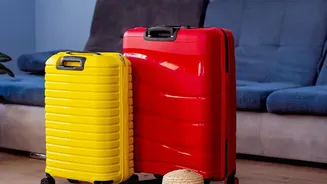
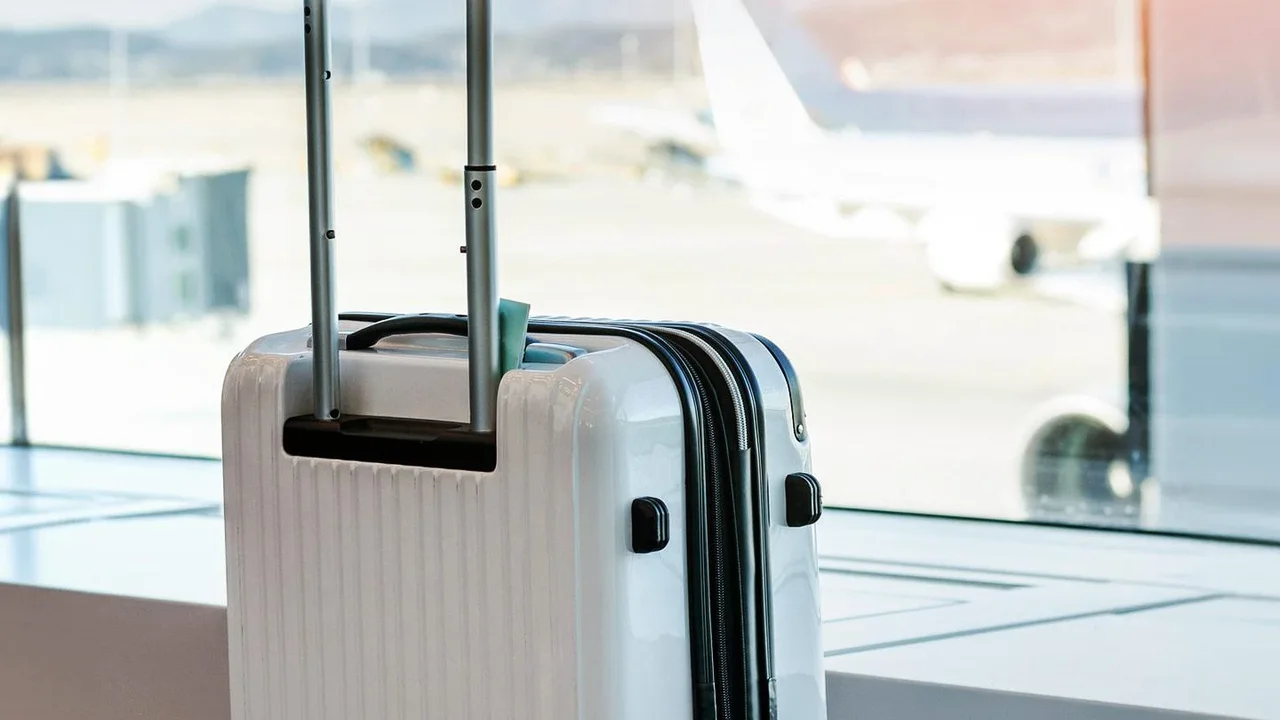
Your choice of bag is half the battle. A lightweight suitcase is essential, as some empty bags can weigh 3-4 kg, eating into your precious allowance before you've packed a single shirt. Consider a soft-shell spinner or a travel backpack. Backpacks are often lighter and more flexible, making them easier to fit into tight overhead compartments. When shopping for a bag, bring a measuring tape to ensure it meets the standard cabin size requirements. Investing in a quality, lightweight bag that complies with most airline rules is a smart move for any frequent traveller.
Mastering the Four-Day Wardrobe
For a four-day trip, versatility is key. Instead of packing four distinct outfits, think in terms of a capsule wardrobe where pieces can be mixed and matched. A good formula includes: one pair of trousers or jeans (wear this on the plane), one other pair of bottoms (shorts, a skirt, or different trousers), four tops that can be layered, one sweater or light jacket, and one dressier outfit if needed. Choose a neutral colour palette for your main items and add variety with smaller accessories. This strategy ensures you have enough options without overpacking non-essential items.
Strategic Packing Techniques
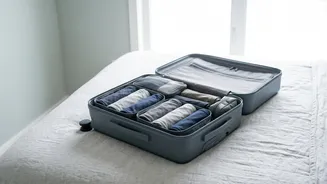
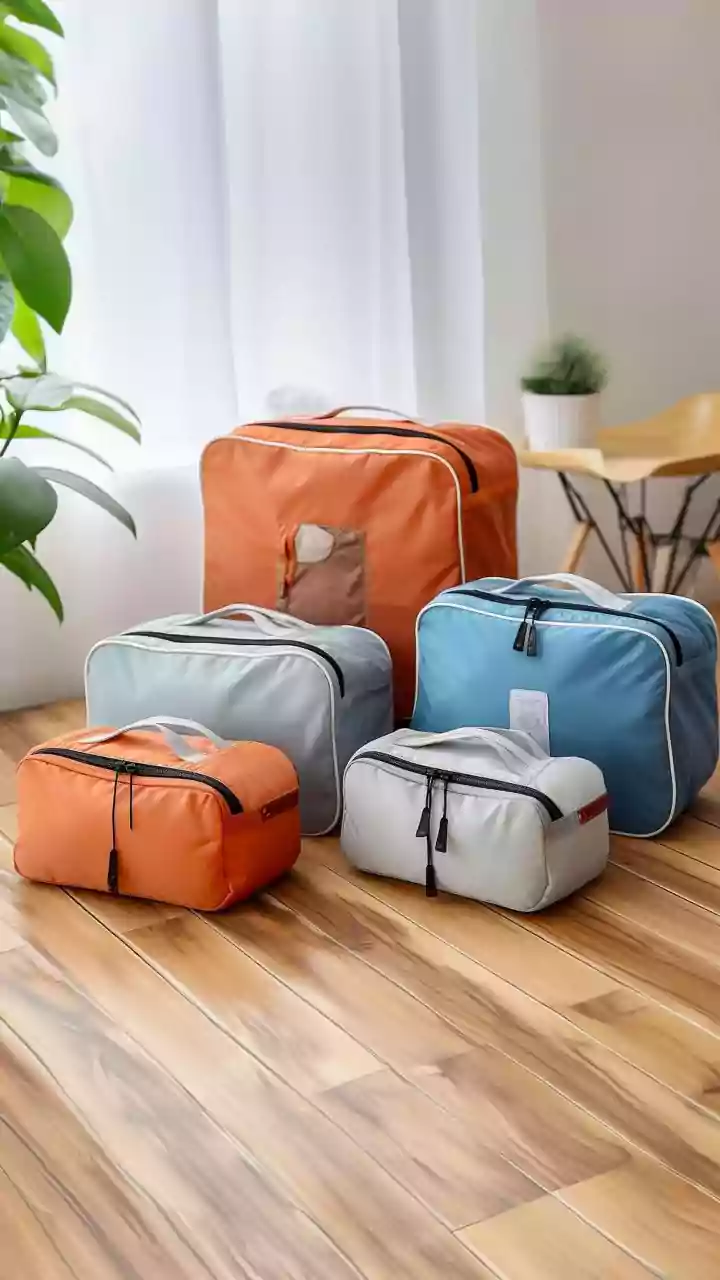
How you pack is as important as what you pack. Rolling your clothes is a popular technique that saves space and can reduce wrinkles in fabrics like cotton. For maximum efficiency, consider using packing cubes. These fabric organisers help compartmentalise your bag, allowing you to group items by type (e.g., all tops in one cube, undergarments in another). Some are compression cubes, which squeeze out excess air to create even more room. When arranging your suitcase, place heavier items like shoes near the wheels for better balance. A well-organised bag not only fits more but also makes it easier to find what you need without unpacking everything.
Handle Your Liquids and Toiletries
Liquids are a common point of confusion at security. In India, the rule is consistent for both domestic and international flights: liquids, aerosols, and gels (LAGs) must be in containers of 100 ml or less. All these containers must fit comfortably inside a single, transparent, resealable plastic bag with a capacity of no more than one litre. Don't pack a half-empty 200 ml shampoo bottle, as it's the container size that matters, not the amount of liquid inside. To save space and comply with rules, decant your toiletries into travel-sized bottles or switch to solid alternatives like shampoo bars and toothpaste tablets.
Wear Your Weight, Don't Pack It
One of the oldest and most effective tricks is to wear your heaviest and bulkiest items on the plane. This includes your jacket, sweater, and heaviest shoes like boots or sneakers. You can always take off the jacket or sweater once you're on board and use it as a pillow or blanket. The weight of these items on your person doesn't count towards your carry-on allowance, freeing up kilograms in your bag. This simple habit can be the difference between meeting the weight limit and facing an expensive penalty at the check-in counter.