
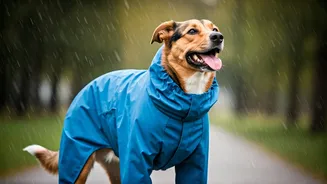


The Pre-Walk Ritual
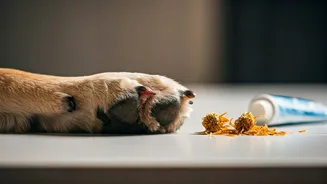
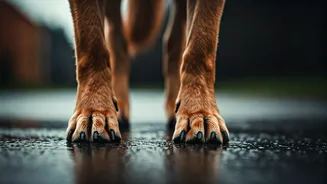
Before you even step out into the rain, a little preparation goes a long way. For dogs with long fur, trimming the hair between their paw pads is crucial. This simple trim prevents mud and debris from getting trapped, which reduces the risk of fungal
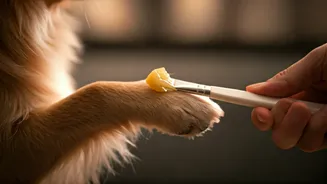
infections and makes post-walk cleanup much easier. Applying a thin layer of a pet-safe paw balm or wax can also create a protective barrier on their pads. This shield helps repel water and protects the sensitive skin from rough, wet surfaces and potential irritants lurking in puddles.
The All-Important Post-Walk Cleanup
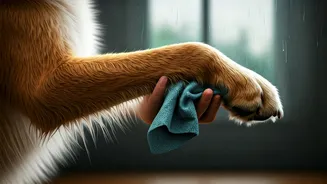
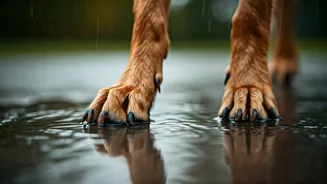
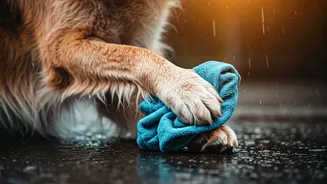
This is the most critical step in preventing monsoon-related paw problems. As soon as you return, your mission is to get those paws clean and, most importantly, dry. Start by wiping away surface mud with a towel or pet-friendly wipes kept by the door. Then, wash their paws with lukewarm water. You can use a shallow basin or a paw cleaning cup. Focus on getting into the crevices between their toes where moisture and bacteria love to hide. After washing, dry their paws thoroughly with a clean, absorbent towel. For long-haired breeds, a quick blast with a hairdryer on a low, cool setting can ensure no dampness remains. Trapped moisture is the primary cause of pododermatitis, a common and painful skin inflammation.
Gearing Up: Boots and Balms
Protective gear isn't just for people. Waterproof dog booties can be a game-changer, keeping paws completely dry and protecting them from sharp objects or contaminated water. However, not all dogs take to them easily. If you decide to try boots, introduce them slowly with plenty of treats and positive reinforcement. Paw balms, made with natural ingredients like shea butter or coconut oil, are another excellent tool. Used before a walk, they form a protective layer. Used after cleaning, they soothe and moisturize pads that can become dry or cracked from frequent washing.
When the Weather Wins: Indoor Exercise
Sometimes, the rain is just too heavy for a walk. But a day without exercise can lead to a bored and destructive pet. This is where indoor activities become essential. Engaging your dog's mind is just as important as physical activity. Try puzzle toys or treat-dispensing balls that make your dog work for their food. A simple game of hide-and-seek with their favorite treats can engage their powerful sense of smell and burn energy. You can also play indoor fetch in a hallway or set up a mini obstacle course using chairs and cushions. Even 15-20 minutes of focused indoor play can make a huge difference.
Spotting the Signs of Trouble
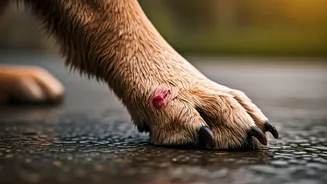
Even with the best care, problems can sometimes arise. Be vigilant and check your dog's paws daily for any signs of trouble. Red flags include excessive licking or chewing of the paws, redness and swelling between the toes, a foul odour, or any limping. These can all be early signs of a bacterial or fungal infection. If you notice any of these symptoms, or if your pet seems to be in pain, it's best to consult your veterinarian promptly. Early intervention can prevent a minor irritation from becoming a major health issue.