





From Niche to Necessity: The Q-Commerce Boom
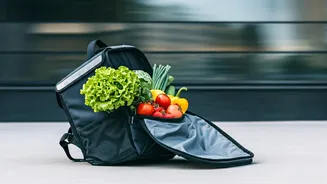
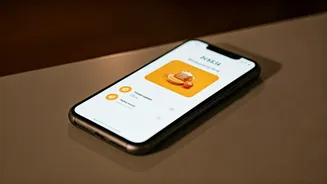
Just a few years ago, the idea of getting groceries delivered in less time than it takes to watch a YouTube video seemed like a fantasy. Today, it’s a reality driving one of the biggest shifts in Indian retail. This is quick commerce, or 'q-commerce'—a
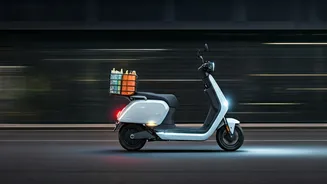
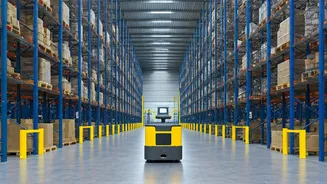
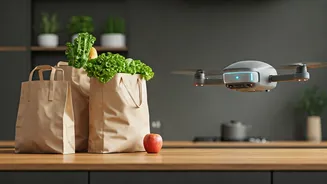
model built on ultra-fast delivery, typically within 10 to 30 minutes. [20] Spurred by the pandemic-era need for at-home shopping, it has now become a daily convenience for millions. [9, 12] The Indian q-commerce market was valued at over USD 5.9 billion in 2026 and is growing at a staggering pace. [3] This growth is powered by a network of 'dark stores'—small, strategically located warehouses that aren't open to the public but are packed with essentials, allowing for rapid order fulfilment. [19] Platforms like Blinkit, Zepto, and Swiggy Instamart dominate this space, together commanding a majority of the market share. [4, 15]
The End of the Big Weekly Shop
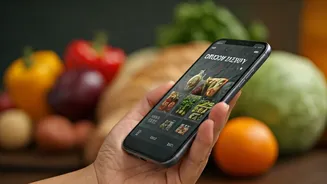
For generations, the weekly or monthly grocery run was a staple of family life—a planned, often time-consuming event. Quick commerce is steadily dismantling this tradition. Instead of stocking up for weeks, families can now adopt a more flexible, 'on-demand' approach. Running low on onions for dinner? A few taps and they arrive before the pan gets hot. This shift moves the household pantry from physical shelves to a virtual, instantly accessible one. A 2025 survey noted that 40% of users now rely on these platforms for their full-month grocery shopping, while 37% use them for unplanned top-ups. [17] This convenience has fundamentally altered consumer behaviour; before q-commerce, only a third of frequent shoppers used online channels for daily needs, a number that has now soared to 87% in urban areas. [9]
When 'Emergency' Buys Become Everyday Habits
What started as a service for forgotten items or late-night cravings has evolved into a routine utility. Families now use q-commerce for a much wider range of needs. It’s the last-minute chart paper for a school project, a thermometer for a sick child, or even festive items during a celebration. [19] The platforms have expanded their catalogues far beyond groceries, now including electronics, beauty products, personal care, and more. [8, 12] This has transformed q-commerce from a 'top-up' service into a primary shopping channel for many. In fact, research shows that quick commerce is driving 6% to 8% in new, incremental demand in households that use it, encouraging purchases that might otherwise have been skipped. [8, 9]
The Unseen Costs of Ultimate Convenience
While the convenience is undeniable, it comes with considerations. The ease of ordering can lead to increased impulse buying. [14] Platforms are designed to be frictionless, turning a moment's desire into an instant purchase. [14] Furthermore, while prices can be competitive, the model's sustainability has raised questions about its impact on local kirana stores, with some studies showing a significant portion of their grocery budgets shifting to apps. [14] There are also wider concerns about the environmental impact of frequent, single-item deliveries and the working conditions of gig economy delivery partners who face pressure to meet tight deadlines. [11, 18]