





More Than Just a Trip Down Memory Lane
For years, re-releases were niche events, often tied to a film's big anniversary. But today, they have become a mainstream phenomenon, sometimes outperforming new movies at the box office. While older audiences certainly flock to relive their youth, the real
energy is coming from elsewhere. The current trend is less about passive nostalgia and more about active celebration. It's about turning a movie screening into a live event, a party where fans can sing, dance, and shout dialogues they've known for years. This shift is changing the very definition of a theatrical experience, proving that a film's first run is no longer its only chance at glory.
The Fan-Driven Festival
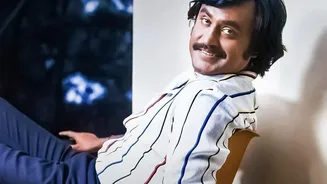
Walk into a re-release of a blockbuster like Vijay's 'Ghilli' or a Rajinikanth classic, and you might think you're at a concert. Fans arrive with custom posters, perform milk 'abhishekams' over cut-outs of their favourite stars, and create a stadium-like atmosphere inside the hall. This is the new way of watching: it’s communal, participatory, and tailor-made for social media. For older generations, it's a chance to relive cherished memories. But for younger audiences, it’s about experiencing the film on the big screen for the very first time, and participating in a culture they previously only saw in clips online. This fan-driven energy is what transforms a simple screening into an unforgettable event.
The Smart Economics of a Second Act
For theatre owners and distributors, the re-release model is a low-risk, high-reward strategy. The film is already made, its audience is known, and the marketing costs are minimal compared to a new release. In a post-pandemic world where the performance of new films can be unpredictable, old blockbusters offer a reliable way to fill seats and keep single-screen theatres in business. They also serve a crucial purpose by filling gaps in the release schedule, especially during periods with fewer big-ticket movies. In some cases, films that were box office disappointments on their initial release, like 'Tumbbad' or 'Sanam Teri Kasam', have found massive success and a new audience years later, proving that a good film can have a second life.
A First-Day Show for Gen Z
Perhaps the most surprising force behind this trend is Gen Z. For a generation that grew up with streaming platforms, the theatrical experience itself is a novelty. Seeing a classic film in a remastered 4K print with enhanced sound is a completely new experience, worlds away from watching it on a laptop. Analysts note that younger viewers make up a huge portion of the audience for these re-releases, sometimes as much as 80%. They may have discovered these films through social media memes, family anecdotes, or YouTube clips, but the cinema offers them a chance to see what the hype was all about, turning a 20-year-old movie into their own 'first-day, first-show' event.
The Future of the Theatrical Experience
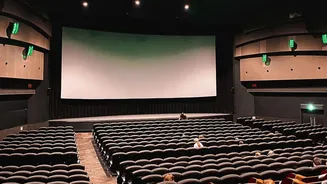
In an ironic twist, the age of endless streaming options seems to have amplified the value of the shared, physical experience of going to the movies. People are willing to pay for a ticket to see a film they can easily watch at home because the cinema offers something streaming cannot: community and atmosphere. The re-release trend is not just about the past; it’s shaping the future of cinema by reminding us why theatres matter. It proves that a cinema is more than just a place to watch a new story; it’s a cultural space where memories are made and relived, and where new generations can connect with cinematic history in a vibrant, exciting way.