






The Search for Smarter Value
For a long time, the primary motivation for off-peak travel was purely financial. While the savings on flights and hotels during the shoulder months—typically April-May and September-October—remain a significant draw, the modern Indian traveller's calculus
has evolved. The conversation is no longer just about lower prices but about superior value. This means getting a five-star experience for a four-star price, securing reservations at coveted restaurants, and having the financial freedom to extend a trip or indulge in unique local activities that a peak-season budget might not allow. It’s a strategic shift from pure cost-cutting to optimising the entire travel experience, a trend reflected in reports showing a growing number of Indians intentionally booking trips to avoid peak periods.
Fewer Crowds, More Authenticity
Perhaps the most compelling reason for this shift is the desire to escape 'overtourism'. Many travellers have grown weary of battling shoulder-to-shoulder crowds at famous landmarks. According to a 2026 Skyscanner report, about 37% of Indian travellers now deliberately choose the shoulder season to avoid crowds. This allows for a more relaxed and immersive journey. Visiting destinations like Paris, the Amalfi Coast, or the islands of Greece when they are less congested transforms the experience, making it feel more personal and authentic. Interactions with locals become more genuine, and there's a greater sense of discovering a place as it truly is, rather than as a stage set for mass tourism.
The Comfort of Milder Weather
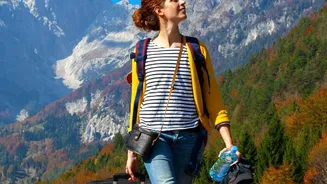
While summer promises long, sunny days, it can also bring scorching heat, especially in Southern Europe, making sightseeing an exhausting affair. The shoulder seasons of spring and autumn, however, often provide the perfect middle ground with mild and pleasant weather. These 'Goldilocks' conditions are ideal for exploring cities on foot, hiking through national parks, or enjoying a coffee at a sidewalk cafe without the discomfort of extreme temperatures. This climatic sweet spot is a significant draw, especially for those looking to engage in outdoor activities or simply enjoy a more comfortable and leisurely pace.
The Rise of the Workation
The normalisation of remote and hybrid work has been a game-changer for travel. No longer tethered to an office, a growing number of Indian professionals are blending work with travel, embarking on 'workations' that extend for weeks or even months. This lifestyle shift makes the shoulder season particularly appealing. These digital nomads can travel more flexibly, avoiding the school holiday rush and taking advantage of quieter periods. A FICCI survey noted that about a third of Indian travellers now prefer working from natural settings, seeking a better work-life balance and an escape from urban burnout. This allows for deeper cultural immersion, moving beyond a frantic holiday to a sustained, restorative change of environment.
New Seasons, New Experiences
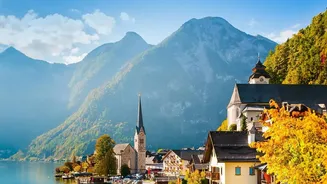
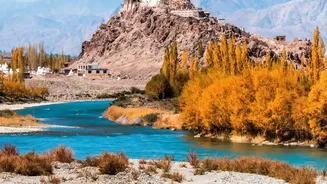
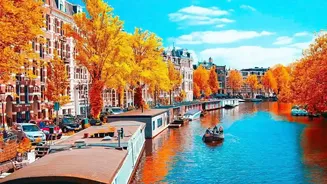
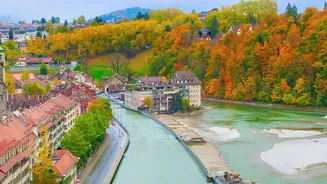
Travelling between peak seasons opens up a world of unique experiences that are simply unavailable in the summer. Autumn in Europe and parts of Asia brings stunning fall foliage, harvest festivals, and the opening of wine seasons. Spring offers blooming landscapes and cultural celebrations before the summer rush begins. This focus on experience-led travel is a defining feature of the modern Indian tourist, who is increasingly looking for cultural immersion, scenic beauty, and unique activities. The growing interest in destinations like Vietnam and Georgia, which offer great value and visa-friendly policies, is a testament to this evolving mindset. Travellers are realising that timing their visit strategically unlocks a completely different, and often richer, side of a destination.