




The Rain Shadow Secret
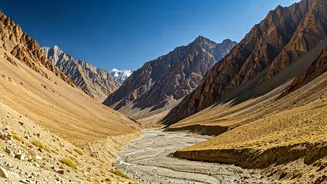
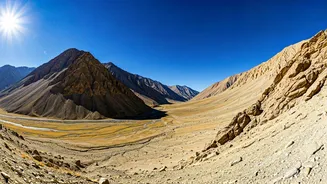
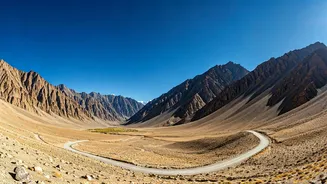
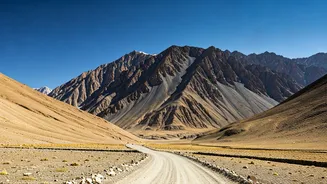
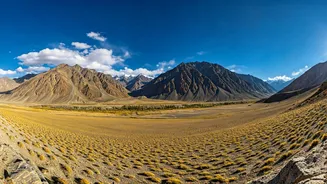
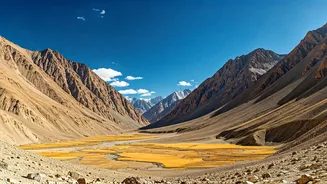
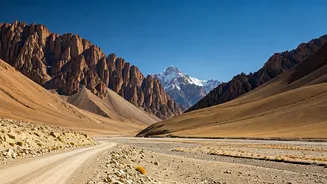
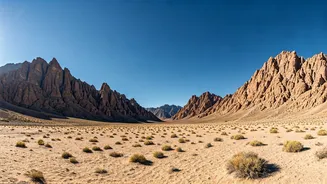
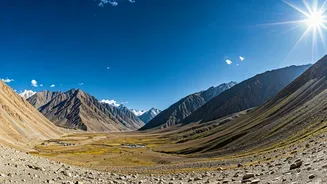
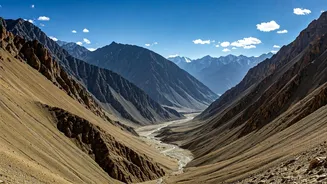
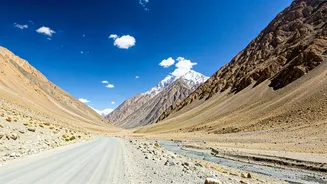
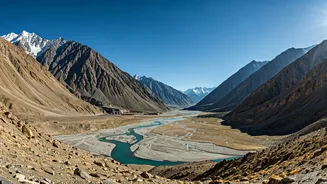
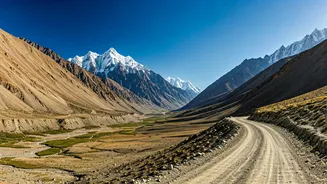
Spiti's magic lies in its geography. Tucked behind the formidable Great Himalayan range, it sits in a rain-shadow area. This means the towering peaks block the moisture-laden monsoon clouds, which exhaust most of their rain on the lower ranges of Himachal
and Uttarakhand. While the rest of the country embraces the deluge, Spiti remains a cold desert, receiving minimal rainfall and boasting a stark, surreal beauty. This unique climatic advantage makes it an ideal destination for those who want Himalayan views without the monsoon disruptions. During these months, you might even see a fleeting green hue on the valley floor, a rare and beautiful contrast to its usual barren ruggedness.
What to See and Do
Spiti is not just about dry weather; it's a treasure trove of culture and natural wonders. The valley is dotted with ancient Buddhist monasteries that seem to cling to cliffsides. Key Monastery, the largest in Spiti, is a spiritual hub offering panoramic views. Tabo Monastery is revered as one of the oldest continuously functioning Buddhist centres in the Himalayas. For a truly unique experience, drive to Hikkim, home to the world's highest post office, and send a postcard to your loved ones. Nearby, the villages of Komic and Langza, known for its marine fossils, offer a glimpse into life at extreme altitudes. Don't miss the ethereal Chandratal Lake, the 'Moon Lake', whose crystal-clear waters reflect the surrounding peaks.
Planning Your Route
Reaching Spiti is an adventure in itself. There are two primary road routes. The first, and more recommended for monsoon travel, is from Shimla via Kinnaur. This longer route allows for gradual acclimatisation, which is crucial for preventing altitude sickness. It's generally more stable, though landslides can still occur in the lower Kinnaur region. The second route is from Manali via the Atal Tunnel and Kunzum Pass. While shorter, this route involves a rapid ascent to high altitudes and can be more unpredictable, with challenging water crossings. As of mid-2026, both routes are open, but it's essential to check daily road status with local authorities like the BRO, as conditions can change quickly. A full circuit, entering via Shimla and exiting via Manali, is the classic Spiti experience.
Acclimatise and Thrive
Altitude is the most significant challenge in Spiti, with Kaza, the main town, situated at about 12,500 feet. Acute Mountain Sickness (AMS) is a real risk and can affect anyone, regardless of fitness level. Symptoms include headaches, nausea, and dizziness. The key to prevention is gradual ascent, which is why the Shimla route is often preferred. Once in Spiti, take it easy for the first day or two. Stay hydrated by drinking plenty of water, and avoid alcohol and strenuous activity. Listen to your body and descend to a lower altitude if symptoms worsen. Local homestays and experienced drivers are well-versed in the signs of AMS and can offer invaluable advice.
Embrace the Local Culture
Beyond the landscapes, the heart of Spiti lies in its people and their resilient culture. Opting to stay in a local homestay is one of the best ways to experience the region's warmth and hospitality. Sharing a meal of local Spitian food, like dal and rice, and sipping on butter tea while listening to family stories is an experience in itself. The culture is deeply rooted in Tibetan Buddhism, and a quiet moment inside a monastery can be profoundly peaceful. Remember that resources are scarce in this high-altitude desert. Travel responsibly, be mindful of your waste, and respect local customs to ensure this fragile sanctuary remains pristine for generations to come.