


A World Beyond the Tea Leaf
When we think of Himalayan beverages, our minds often jump to the exquisite black and green teas from estates perched on steep mountain slopes. While these teas are exceptional, they are only part of the story. For centuries, communities in Nepal and India
have brewed what grows around them, creating caffeine-free infusions known as tisanes. These botanical brews, made from flowers, leaves, berries, and roots, are an integral part of daily life, wellness rituals, and local culture. Unlike teas, which all come from the Camellia sinensis plant, tisanes open up an entirely new spectrum of flavours, aromas, and experiences. Exploring them is a journey into the heart of the Himalayas itself.
Rhododendron: The State Flower in a Cup
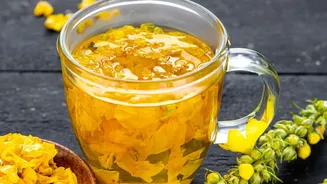
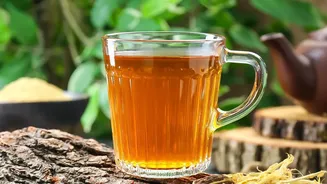
Known locally as Buransh, the vibrant Rhododendron arboreum flower creates a visually stunning and delicately flavoured tea. Harvested by hand in the spring, the petals are dried to create a brew that is both beautiful and refreshing. The taste is often described as floral with a slightly sweet and tangy profile, reminiscent of fruit infusions. In Himalayan communities, Buransh tea has been traditionally used to soothe ailments and is served as a symbol of hospitality. Modern research has also taken an interest, noting that the phytochemicals in the flowers possess antioxidant properties. This caffeine-free brew is perfect for a calming moment in the evening or as a gentle ritual to mark the change of seasons.
Sea Buckthorn: A Berry Burst of Wellness
Often called 'Himalayan Gold', sea buckthorn is a hardy plant that thrives in the high-altitude regions of Ladakh and Lahaul-Spiti. While the tart, orange berries are famous, the leaves are also harvested and dried to create a nourishing herbal tea. The brew has a tangy, citrusy flavour and is celebrated for being packed with vitamins, antioxidants, and essential fatty acids. Traditionally part of mountain wellness practices, it's considered a superfruit that supports immunity and skin health. Whether made from the leaves or berries, a cup of sea buckthorn tea is a vibrant, energizing experience that captures the pure, resilient spirit of the Himalayan ecosystem.
Himalayan Tulsi: The Sacred Elixir
Tulsi, or Holy Basil, holds a sacred place in Ayurvedic tradition and is a common sight in the courtyards of Himalayan homes. Regarded as 'The Queen of Herbs', its infusion has been cherished for over 5,000 years for its healing properties. Himalayan Tulsi tea has a unique flavour profile that is warm, aromatic, and slightly peppery, with notes of clove. It is classified as an adaptogen, which means it is believed to help the body adapt to stress and promote mental clarity. Often enjoyed on its own as a caffeine-free brew, it is also blended with green or black teas to combine the benefits of both. A cup of Tulsi tea is a comforting and grounding experience, deeply connected to a rich history of holistic wellness.
Nettle: The Stinging Wonder Brew
The idea of making tea from stinging nettle (known locally as Sisnu) might seem surprising, but once dried, the plant loses its sting and yields a remarkably nourishing brew. Foraged from hillsides, nettle has long been used in Himalayan kitchens for soups and, more simply, as an herbal tea. The resulting infusion has a smooth, earthy, and savoury green taste that is both gentle and grounding. Cultivated in the Eastern Himalayas, it is naturally caffeine-free and loaded with antioxidants and minerals. This humble 'weed' transforms into a deeply restorative cup, offering a true taste of the wild, foraged landscape and traditional village life.