





The Hidden Enemy: Understanding Root Rot
Root rot is a disease that happens below the soil, making it hard to spot until it's often too late. It is not caused by water alone, but by fungal pathogens that thrive in waterlogged, oxygen-deprived soil. During the monsoon, continuous rain and high
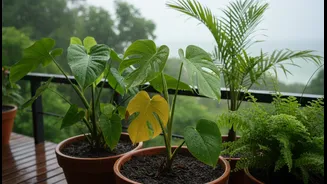
humidity mean pots stay wet for days, creating the perfect breeding ground for these fungi. The plant's roots, which need oxygen to function and absorb nutrients, essentially suffocate. Once weakened, they are easily attacked by these pathogens, turning from healthy and firm white roots into a brown, mushy mess. Above ground, the signs can be confusing: leaves might turn yellow or the plant may look wilted, as if it's thirsty, even when the soil is damp. This is because the decaying roots can no longer deliver water and nutrients to the rest of the plant.
Why the Monsoon Turns Balconies into Danger Zones
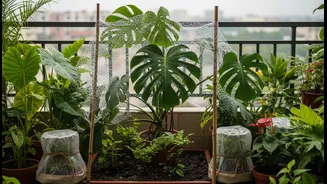
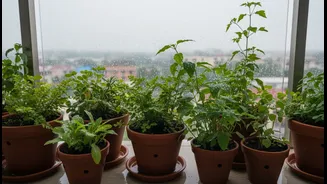
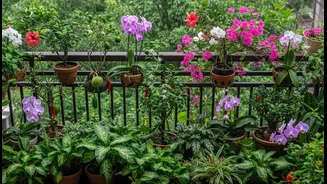
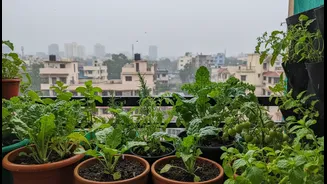
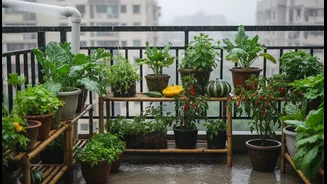
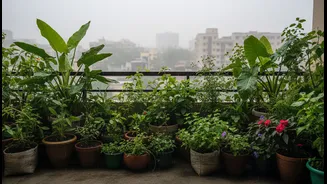
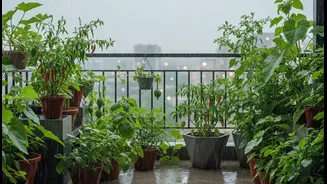
A balcony might seem like a safe haven, but during the Indian monsoon, it becomes a high-risk environment for potted plants. Unlike plants in the ground, balcony pots have limited drainage. When it rains constantly, this enclosed system quickly becomes saturated. High humidity further slows down evaporation from the soil surface, keeping the roots wet for prolonged periods. Compounding the issue is reduced sunlight due to cloudy skies, which slows down photosynthesis and the plant's water usage. Stagnant, humid air trapped between walls and railings creates a microclimate where fungal diseases flourish. This combination of waterlogged soil, high humidity, and poor air circulation is a recipe for disaster, particularly for tropical foliage plants that, despite loving humidity, hate having their roots constantly wet.
Ventilation: The Unsung Hero of Plant Health
This is where ventilation comes in as a crucial, yet often overlooked, solution. Good air circulation tackles the root causes of monsoon plant problems in several ways. Firstly, a gentle breeze helps evaporate excess moisture from the soil surface, allowing it to dry out faster between rains. This breaks the cycle of constant wetness that fungi need to multiply. Secondly, it reduces the pocket of stagnant, humid air that sits around the plant's leaves and stems, lowering the risk of fungal leaf diseases like powdery mildew which are also common in the monsoon. Most importantly, improved airflow helps facilitate gas exchange not just at the leaf level but also within the soil. As the top layer of soil dries, it allows oxygen to penetrate the root zone, preventing the anaerobic conditions that lead to root suffocation and decay.
Practical Tips for Boosting Balcony Airflow
Improving ventilation on your balcony doesn't require expensive equipment. Simple, strategic changes can make a huge difference. Start by spacing your pots out; grouping plants too tightly together restricts airflow and creates pockets of stagnant humidity. If possible, elevate your pots on stands or bricks. This allows air to circulate underneath the pot, helping the drainage hole to function effectively and the soil to dry more evenly. Avoid placing heavy pots directly on the floor, as this can block drainage. If your balcony is very still, using a small, inexpensive oscillating fan for a few hours a day can mimic a natural breeze, significantly improving air circulation and helping to keep the soil and foliage drier. Finally, regular pruning of dense foliage can open up the plant's structure, allowing more air to move through its leaves and stems.
Supporting Your Plants Beyond Just Airflow
While ventilation is key, a few other monsoon care habits can support your plant's health. Always check the soil moisture before watering, even if it has rained. The top might look dry while the bottom is still waterlogged. The 'finger test'—inserting your finger two inches deep—is more reliable than a fixed schedule. Ensure every pot has a functioning drainage hole. Using a well-draining potting mix, amended with materials like perlite or orchid bark, is also critical as it creates air pockets in the soil. Lastly, hold off on fertilizing during the peak monsoon months. Most plants slow their growth in the lower light conditions, and excess fertilizer can damage already stressed roots.