




1. Choose Your Reserve Wisely
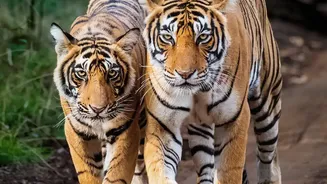
India's national parks are incredibly diverse. Your choice depends on what you want to see and how far you can travel for a weekend. For a high chance of tiger sightings, reserves like Ranthambore in Rajasthan and Bandhavgarh or Kanha in Madhya Pradesh
are legendary. Ranthambore is easily accessible from Delhi and Jaipur, making it a popular weekend choice. If you're in the south, Nagarhole (Kabini) in Karnataka offers stunning elephant and leopard sightings. For a unique experience, consider Kaziranga in Assam, famous for its one-horned rhinoceros population, though it may require a longer weekend. Research which park aligns with your 'must-see' list and travel time.
2. Book Safaris Far in Advance
This is the most critical step. Safari permits for top parks are sold online through government portals and get booked out months in advance, especially for weekend slots in peak season. For parks like Ranthambore, Corbett, and Tadoba, permits can vanish within minutes of being released. Do not wait until you have booked flights or hotels. Secure your safari permit first. You'll typically need to provide the full name, age, gender, and ID proof (like an Aadhaar or Passport) for every visitor at the time of booking. Always use the official forest department website or a highly reputable travel agent.
3. Understand the Best Season to Visit
Timing is everything for wildlife sightings. Most national parks in India are open from October to June and remain closed during the monsoon season (July to September). The winter months (November to February) offer pleasant weather for safaris. However, the hotter, drier months (March to June) are often considered the best for spotting tigers and other large mammals, as they are forced to come out to the few remaining waterholes. Be prepared for intense heat during this period, but the payoff can be incredible.
4. Get to Know the Safari Zones
Many large national parks are divided into multiple safari zones or gates. When you book a permit, you are booking for a specific zone, and you can only travel within that area. Some zones are considered 'premium' or have a higher density of a particular animal, leading to better sighting chances. For example, Ranthambore's zones 1-6 are often preferred over 7-10. While allocation can sometimes be at the discretion of the forest department, booking well in advance gives you a better chance to choose a preferred zone. Researching recent sighting reports from different zones can help you make a more informed choice.
5. Choose the Right Safari Vehicle
You will generally have two choices for a vehicle: a 6-seater open jeep (often called a Gypsy) or a 20-seater open bus (a Canter). The jeep offers a more intimate and flexible experience. It's quieter, can navigate narrower tracks, and allows for better photographic opportunities. It is, however, more expensive. The Canter is a more budget-friendly option and is suitable for larger groups. For keen photographers or those wanting a more personal tour, the extra cost of a jeep is almost always worth it. Some parks, like Kaziranga, also offer elephant safaris, while others like the Sundarbans feature boat safaris.
6. Pack Smart and Light
What you wear matters for both comfort and concealment. Opt for neutral, earthy colours like khaki, beige, brown, and olive green. Avoid bright colours like red, yellow, or white, which can scare away animals. Layering is key; early morning safaris can be surprisingly cold, even in summer, but it gets hot quickly once the sun is up. Essentials include a hat, sunglasses, sunscreen, and a scarf or mask to protect against dust. Comfortable, closed-toe shoes are a must. Don't forget binoculars—they are often more important than a camera for spotting distant wildlife.