






Engage Their Nose with Scent Games
A dog's primary sense is smell, and putting it to work is incredibly enriching and tiring for them. A simple "Find It" game is a great start. Have your pet wait while you hide high-value treats around a room. Start with easy spots, and as they get the hang
of it, you can hide treats in more challenging locations, like under a rug or behind a cushion. For a different twist, try the "Shell Game." Place a treat under one of three cups, shuffle them, and let your dog sniff out the right one. These games tap into their natural foraging instincts, which can help reduce stress and burn mental energy.
Level Up Mealtime with Puzzle Toys
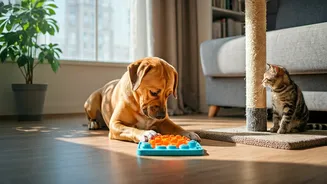
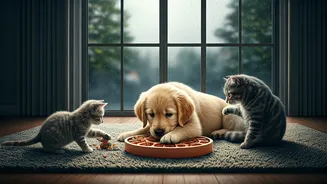
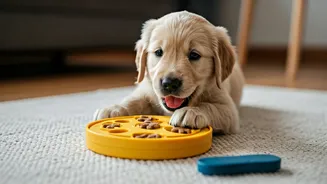
Instead of serving food in a bowl, make mealtime a brain game. Puzzle toys and feeders require your pet to think, nudge, and paw to get their kibble. This not only provides crucial mental stimulation but also slows down fast eaters, which can prevent indigestion. You don’t need to buy expensive toys; a muffin tin with tennis balls covering the kibble-filled cups works perfectly. For a DIY option, simply cut holes in a plastic bottle and fill it with treats, or roll kibble up in an old towel for your dog to snuffle and unroll. These activities prevent boredom and can reduce anxiety, especially for pets left alone.
Build a DIY Obstacle Course
Turn your living room into a playground. You can create a simple agility course using household items to get your pet moving. Use a broomstick propped up on two stacks of books as a low jump, or drape a blanket over two chairs to create a tunnel to crawl through. Couch cushions can become items to climb over. Guide your pet through the course with treats and praise. This type of activity is great for building confidence, improving coordination, and strengthening the bond between you and your pet. Always supervise to ensure the setup is safe and appropriate for your pet's size and physical ability.
Teach a New Trick or Refine Old Ones
A rainy day is the perfect opportunity for a focused training session. Teaching a new trick like "spin," "roll over," or even a useful command like "put your toys away" is fantastic mental exercise. Keep sessions short, fun, and positive, using plenty of rewards. Just 10 to 15 minutes of focused training can be more tiring for a dog than a long walk. It reinforces good behavior, enhances your communication, and gives your restless pet a productive task to focus on, which can lead to a calmer, more relaxed companion.
Don't Forget Feline Friends
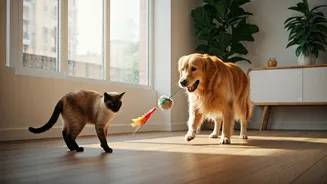
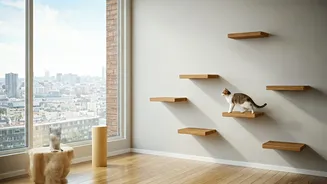
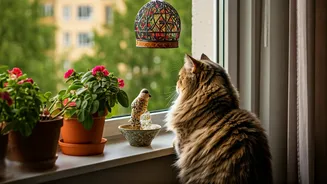
Cats also need enrichment to combat indoor boredom. Many felines love to "hunt" wand toys that you drag behind furniture or under blankets to mimic prey. Simple cardboard boxes or paper bags (with handles removed) make for an exciting temporary fort or tunnel. You can also make mealtime an adventure by hiding small portions of their food around the house for them to find. Setting up a perch by a window, especially with a bird feeder outside, provides endless visual entertainment, often called "cat TV." These activities tap into a cat's natural instincts to hunt, explore, and climb.