






What is the Native Plant Trend?
For years, urban gardening in India often meant cultivating exotic or ornamental plants that looked good but struggled in the local climate. The native plant trend is a conscious shift away from this, focusing on flora that is indigenous to a specific
region. These are plants that have evolved over thousands of years to thrive in the local soil, temperature, and rainfall patterns. Instead of a delicate English rose or a fussy succulent, think of hardy and culturally significant plants like Tulsi, Marigold, Hibiscus, and Neem. This movement isn't just about aesthetics; it’s a practical and ecological choice to create gardens that are in harmony with their surroundings.
More Than Just a Pretty Flower
The single biggest advantage of going native is the profound ecological benefit. Native plants form the foundation of local ecosystems. They provide the right kind of nectar, pollen, seeds, and leaves that local insects, birds, and butterflies need to survive and thrive. For example, native trees like Neem and Jamun attract birds and insects, supporting the entire local food web. In contrast, many exotic species, like the recently discouraged Conocarpus tree, can create 'green deserts' by failing to support local wildlife and even suppressing the growth of other plants. By planting native species, a small urban garden becomes a vital micro-habitat, helping to restore biodiversity in cities that have lost green cover to urbanisation.
The Practical Perks of Going Native
Beyond the ecological good, native plants are simply easier to care for, making them perfect for busy urbanites. Having adapted to the local environment, they are naturally resilient to regional pests and diseases, which means less need for chemical pesticides and fertilisers. Furthermore, they are masters of water conservation. Once established, their deep root systems allow them to survive on local rainfall patterns, significantly reducing the need for supplemental watering—a huge plus in a country facing growing water scarcity. This translates to lower maintenance, lower costs, and a more sustainable gardening practice.
From Balconies to Backyards
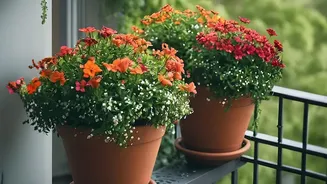
The beauty of this trend is its scalability. You don’t need a large backyard to make a difference. Many native Indian plants are perfectly suited for container gardening on balconies and terraces. Fragrant plants like Jasmine (Mogra) and Tulsi are ideal for pots near entryways. Creepers like the stunning Aparajita (Butterfly Pea) can create a natural green screen on a grill or trellis. For sunny spots, Hibiscus and Ixora provide vibrant, continuous colour. Even a single pot of Curry Leaf (Kadi Patta) not only provides fresh ingredients for your kitchen but also contributes to the local ecosystem. The key is to choose plants that are native to your specific climate zone, whether it's the humid coast of Mumbai or the semi-arid conditions of Delhi.
Getting Started with Your Native Garden
Joining the movement is simple. The first step is to research plants that are native to your specific region in India. Local nurseries and online gardening communities are becoming great resources for this. Start small by replacing one or two of your existing plants with native alternatives like Marigold or Holy Basil (Tulsi). Pay attention to the plant's needs for sunlight and water, though you'll find most are quite forgiving. Use well-draining soil and organic compost to give them a healthy start. The goal isn't perfection, but participation. Even a few well-chosen native plants can create a small haven for pollinators and contribute to a healthier urban environment.