






The Wisdom of Eating with the Seasons
Before year-round availability became the norm, Indian food culture was deeply intertwined with the seasons. This wasn't just about eating what was available; it was a sophisticated system designed to support the body's changing needs. According to Ayurvedic
principles, winter is a season dominated by Vata (air and space), which brings cold and dryness. The digestive fire, or 'agni', is considered strongest during this time, enabling the body to handle richer, more nourishing foods. Traditional winter diets, therefore, focus on ingredients that are naturally 'warming', grounding, and energy-dense to counteract the cold and keep the body balanced and resilient.
Mighty Millets for Winter Warmth
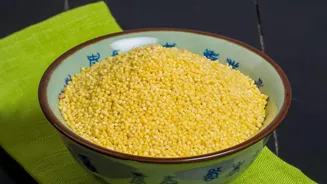
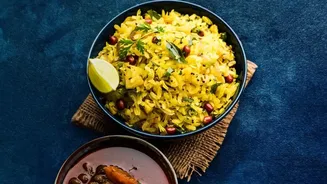
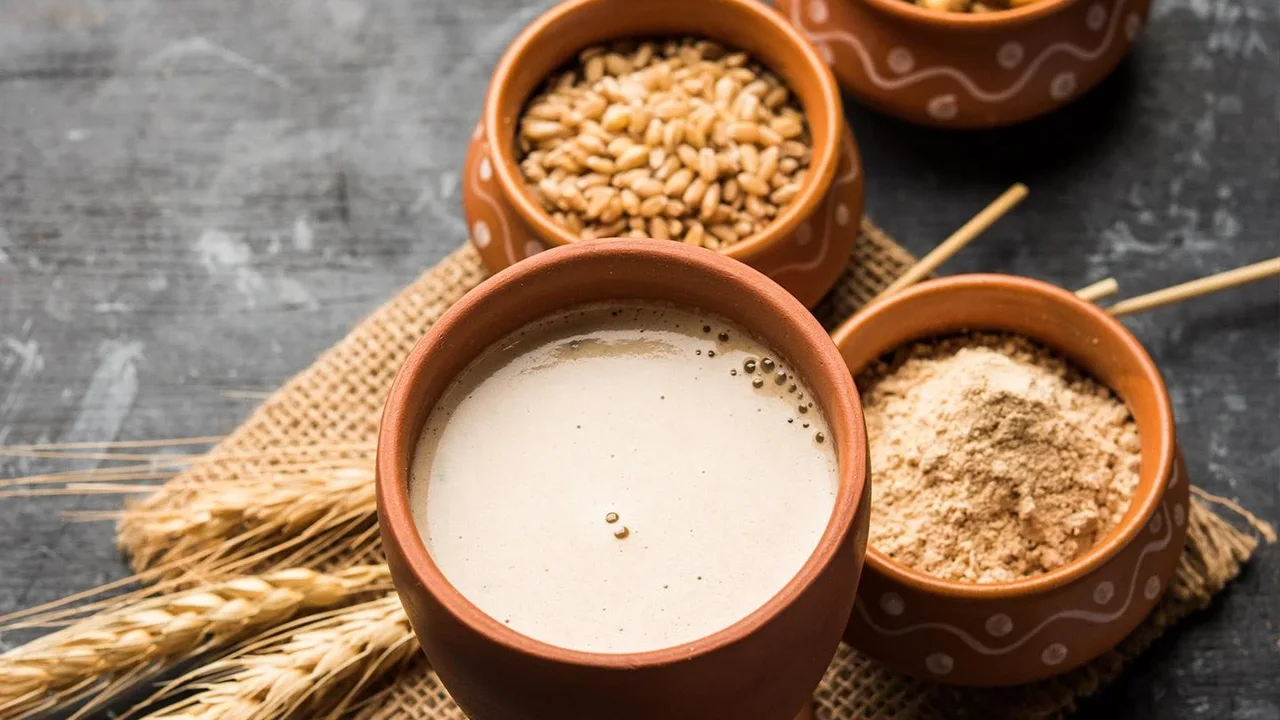
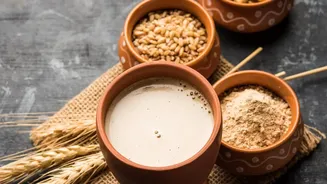
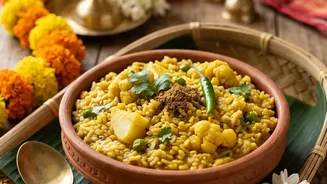
Millets like bajra (pearl millet) and ragi (finger millet) are cornerstones of the traditional winter diet for good reason. Often called 'winter grains', they are known for their thermogenic effect, meaning they generate heat during digestion, providing a natural internal warmth that is ideal for cold weather. Bajra, particularly popular in the arid regions of Rajasthan and Gujarat, is packed with iron, magnesium, and fiber. This nutritional profile helps combat winter fatigue and supports sustained energy release. Ragi is a powerhouse of calcium, which is beneficial for bone health, especially when physical activity might be lower during colder months. Enjoyed as hearty rotis, often served with a dollop of ghee and jaggery, or as comforting porridge, these grains provide the perfect blend of warmth, energy, and nourishment.
Root Vegetables: Grounded Goodness
As the name suggests, root vegetables grow underground, absorbing a wealth of nutrients from the soil. In winter, vegetables like carrots (gajar), sweet potatoes (shakarkandi), radishes (mooli), turnips (shalgam), and beetroots (chukandar) are at their seasonal peak. These vegetables are dense in essential vitamins like A and C, antioxidants, and fiber, which are crucial for bolstering the immune system against seasonal ailments. Their earthy and often sweet flavours lend themselves beautifully to a range of preparations. They provide slow-digesting carbohydrates, which offer steady energy without spiking blood sugar levels. From the comforting sweetness of Gajar ka Halwa to the savoury warmth of curries and the sharp taste of mooli parathas, root vegetables provide both the grounding energy and the vital nutrients needed to thrive during winter.
A Symphony of Flavour and Function
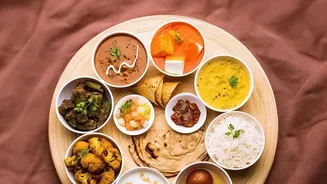
The combination of millets and root vegetables creates a synergistic effect. Millets provide the protein and warming energy, while root vegetables offer essential vitamins and fibre. This pairing is further enhanced by classic Indian winter spices. Ginger, turmeric, black pepper, and saffron are not just added for flavour; they possess properties that aid digestion, reduce inflammation, and enhance warmth. Ghee, or clarified butter, is another key component, used to cook these ingredients or drizzled on top. Ayurveda values ghee for its ability to lubricate joints, moisturise the body from within, and help carry the nutritional benefits of herbs and spices deeper into the tissues. This thoughtful combination makes traditional winter meals a complete, functional system for wellness.