





The Big Number Explained
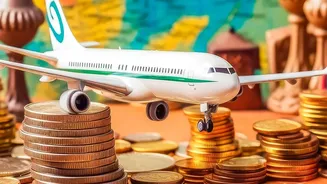
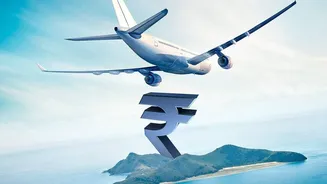
For the six months ending September 30, 2026, Air India is estimated to have incurred a loss of approximately Rs 10,500 to Rs 10,800 crore. This information comes not from Air India directly, but from disclosures made by its 25.1% stakeholder, Singapore
Airlines (SIA). While the number is massive, it actually represents a slight improvement. The loss for the same period last year was around Rs 12,500 crore, indicating a 16% reduction year-on-year. This suggests that while the airline is still heavily in the red, the financial trajectory is moving in the planned direction, albeit slowly.
The High Cost of a Rebirth
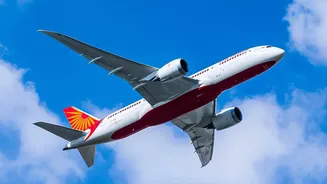
This loss isn't a sign of failure but a direct consequence of the Tata Group's massive investment to overhaul the airline. The five-year transformation plan, Vihaan.AI, involves a complete fleet renewal, cabin refurbishment, and a technological overhaul. Air India is in the process of inducting hundreds of new aircraft from its record-breaking 2023 order and retrofitting its existing, dated fleet. These investments—in new planes, modern lie-flat business class seats, new IT systems, and extensive staff retraining—are incredibly capital-intensive and were always expected to lead to significant short-term losses.
Merger Pains and Market Pressures
Adding to the cost is the complex and expensive process of merging Vistara and AirAsia India into the main Air India brand. The integration, formally completed in November 2024, aims to create a single full-service carrier and a single low-cost carrier (Air India Express) of significant scale. However, harmonising fleets, work cultures, salary structures, and IT systems is a costly exercise. Furthermore, the entire Indian aviation industry is facing headwinds, including high jet fuel prices, foreign exchange volatility, and geopolitical tensions affecting flight routes, all of which put pressure on profitability.
Signs of Progress on the Horizon
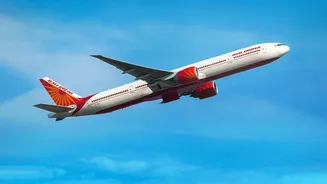
Despite the losses, there are tangible signs of progress that justify the strategy. Singapore Airlines noted that Air India has made 'tangible progress' in its transformation. Customer sentiment has reportedly improved significantly, with the airline's Net Promoter Score (NPS) seeing a dramatic rise. The completion of the Vistara merger creates a formidable competitor in the Indian market, now the country's largest international carrier and second-largest domestic one. By late 2026, many new and refurbished aircraft are already in service, offering an upgraded passenger experience that is key to commanding better yields in the future.
A Long Flight to Profitability
From the outset, the Vihaan.AI plan was framed as a five-year journey to restore Air India's reputation and financial health. Profitability was never expected in the initial 'Taxiing' phase, which is focused on fixing the basics. Tata Sons Chairman N. Chandrasekaran has even suggested that given the scale of the challenge, the full transformation could take five to ten years. The current losses are part of this long-term strategic investment. The group is playing a long game, absorbing near-term losses to build a dominant, world-class airline for the future.